

Find the Right Lifting Tool for Your Minilifter
Not exactly sure which tool you need to mount on your lifter? Hopefully this page can help.
Explore our complete range of standard lifting tools for our electric lifters and use the filters to quickly find the right match for your application.
Simply choose the filter that best describes what you are looking for - Tool Category, Handling (type of load), Manipulation, or Segment - and select an option to see the relevant tools.
Whether you’re lifting rolls, boxes, drums, pallets, or other loads, we have a lifting solution for the job.
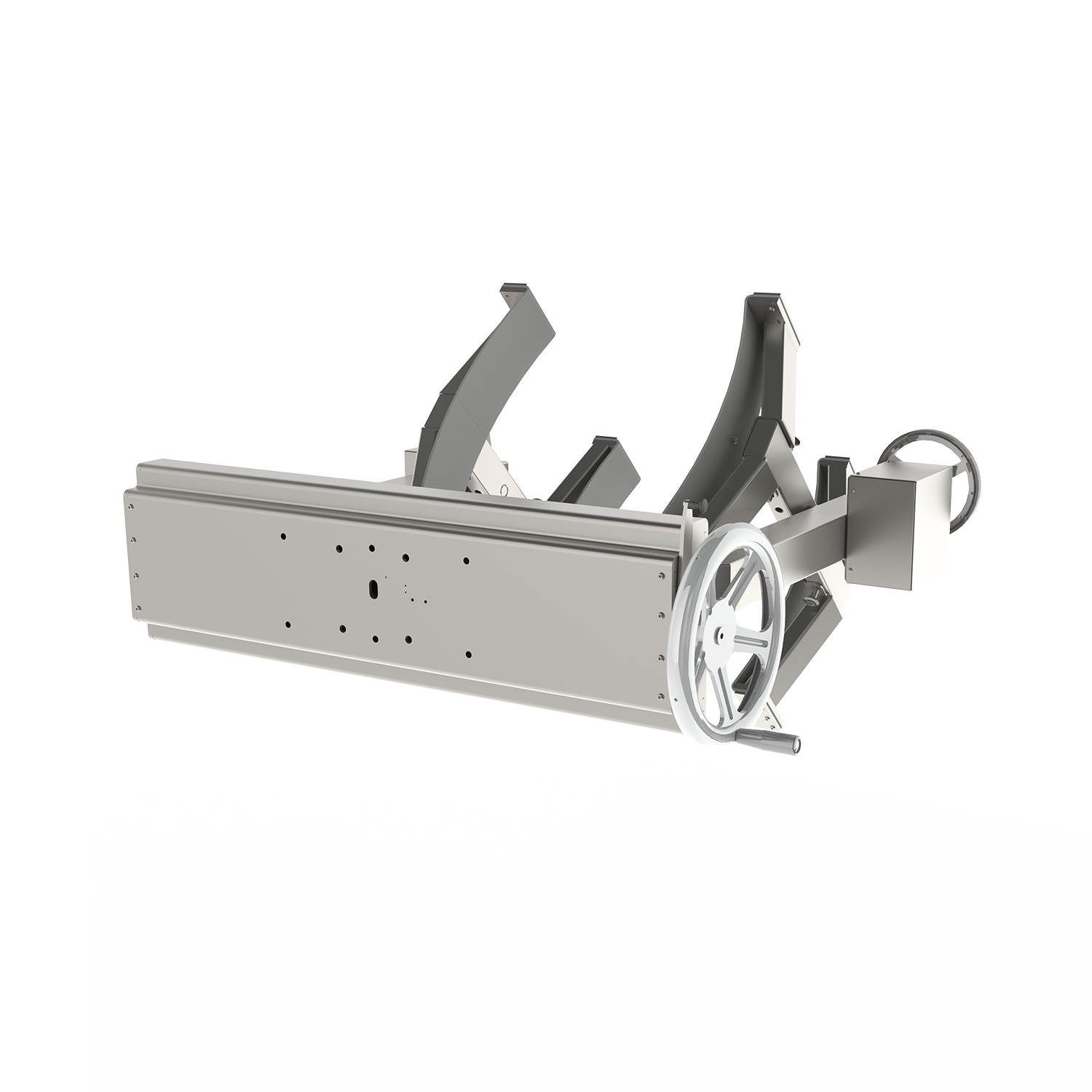
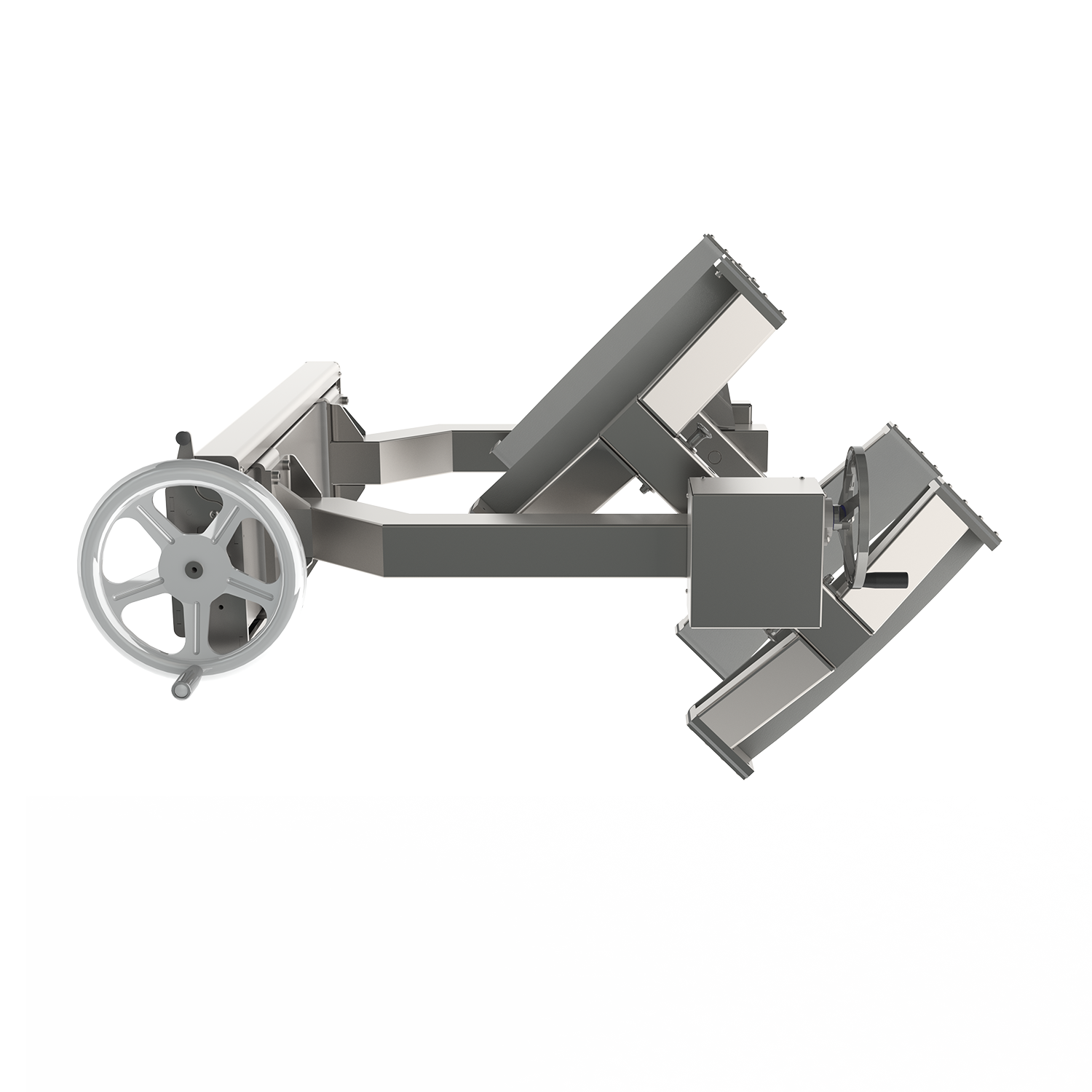
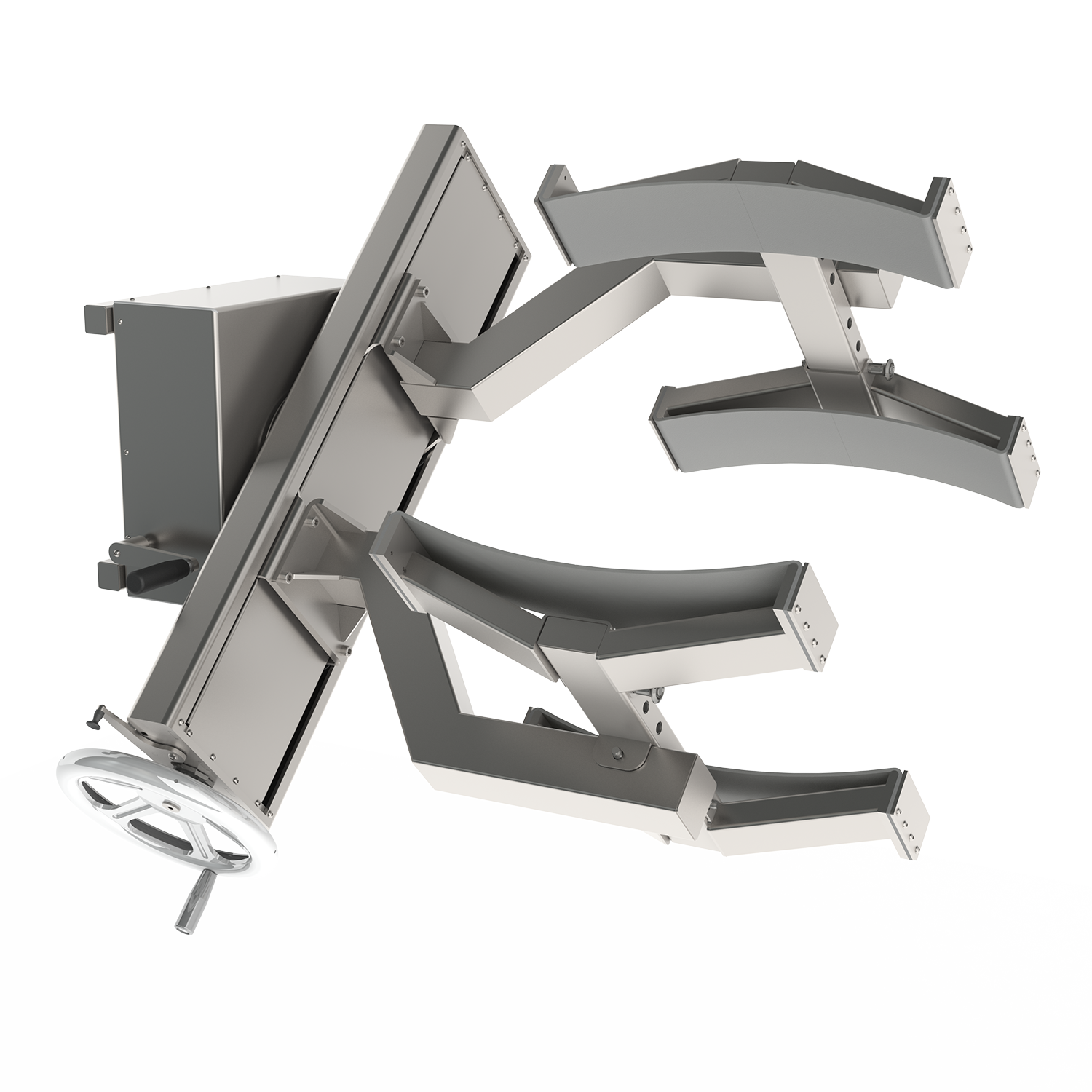
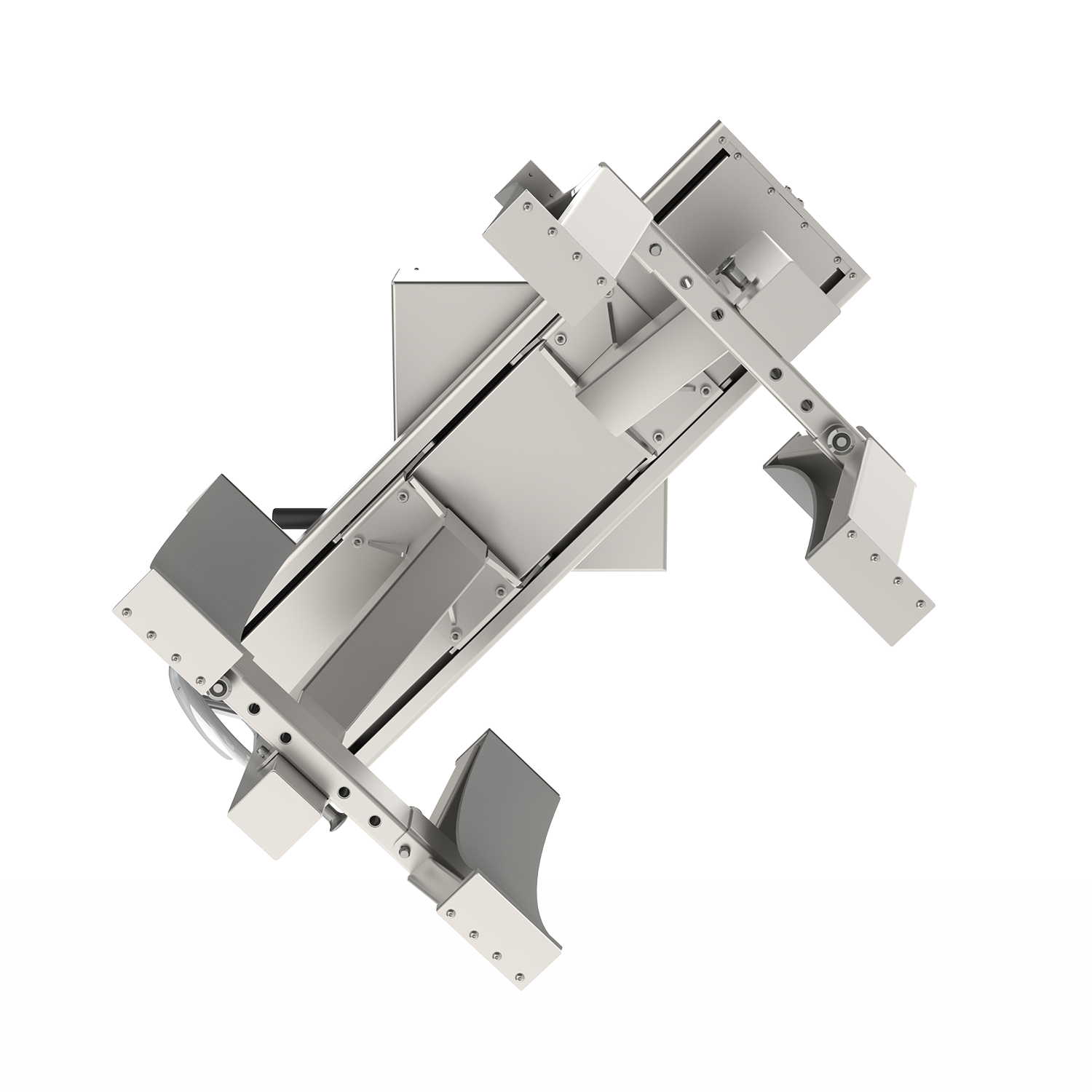
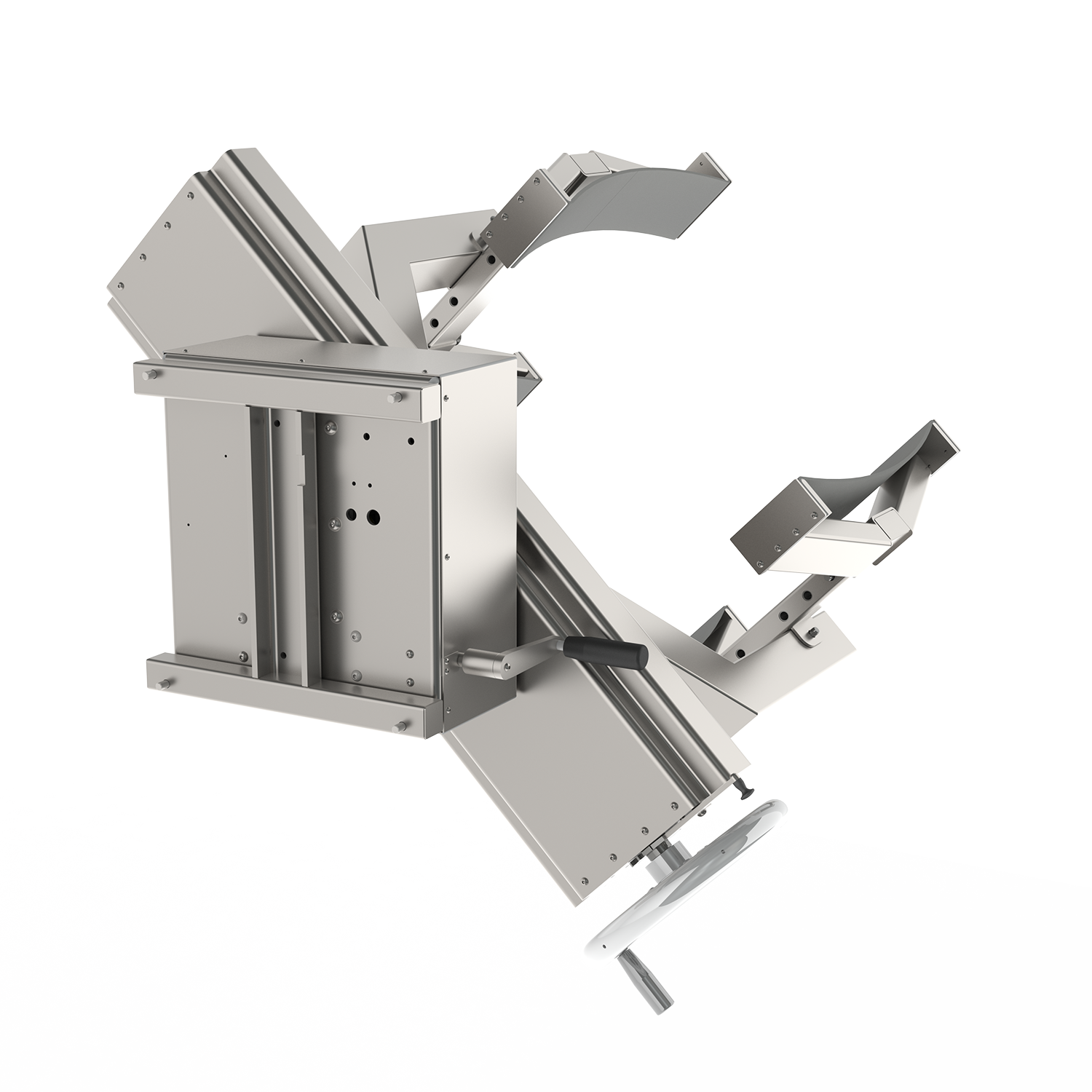
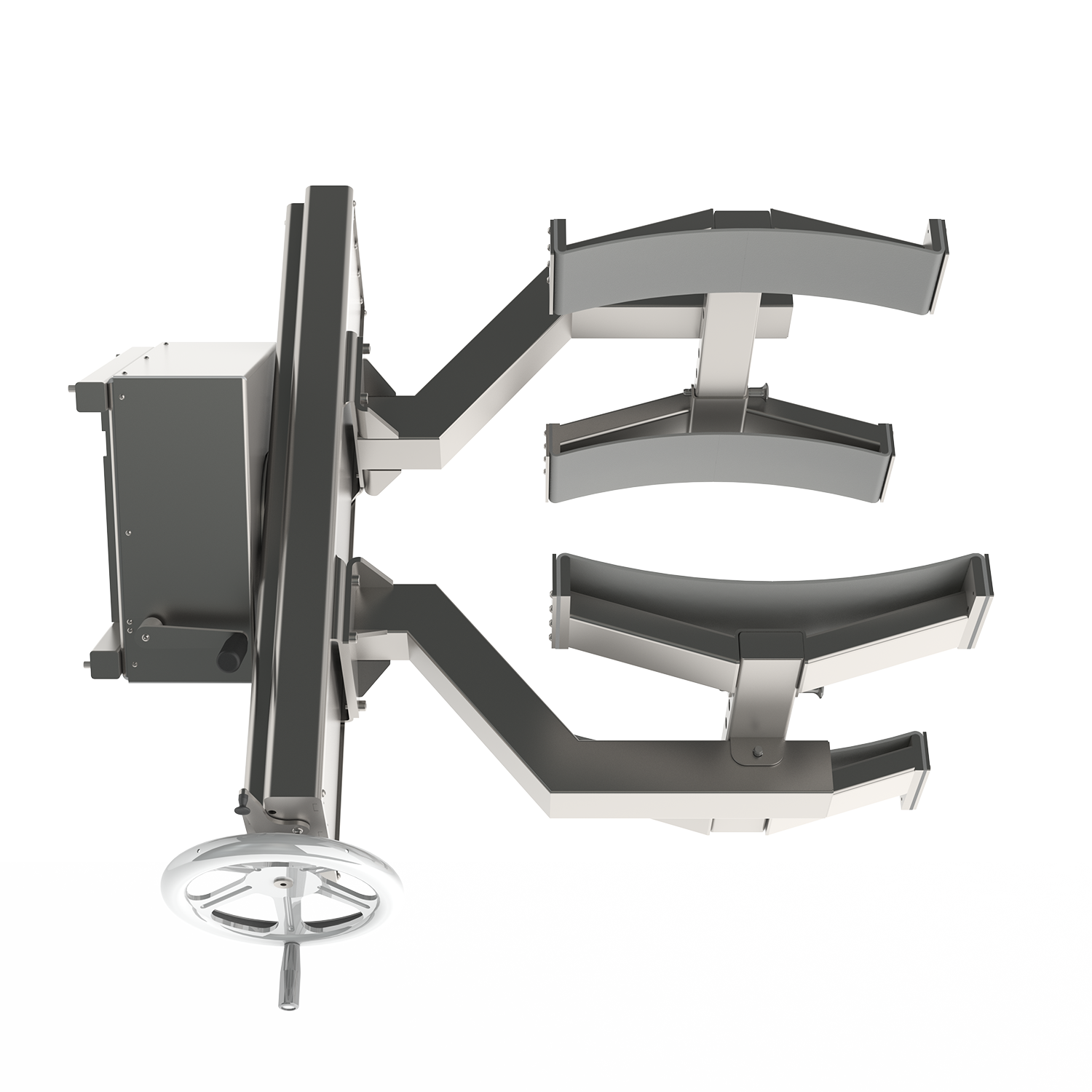
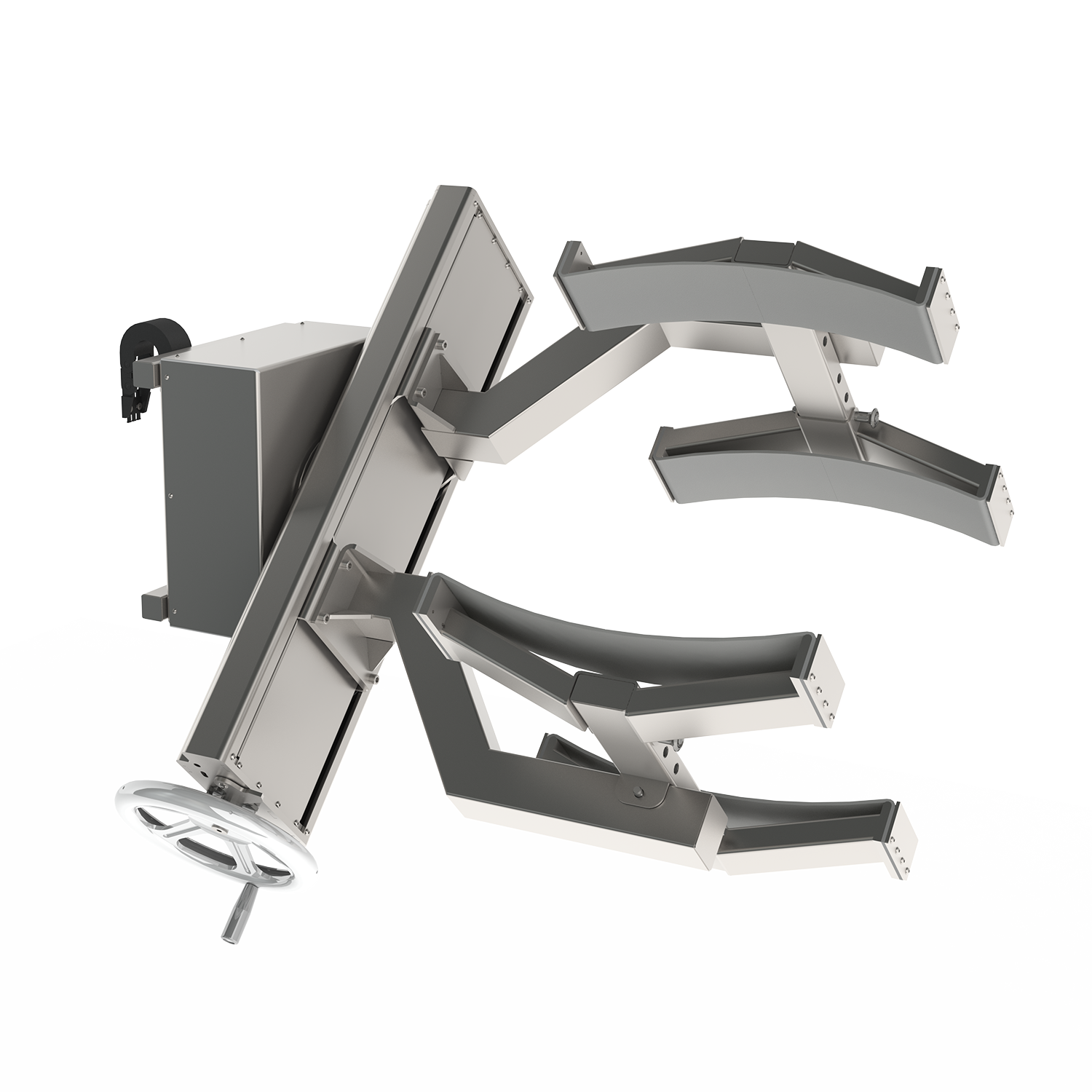
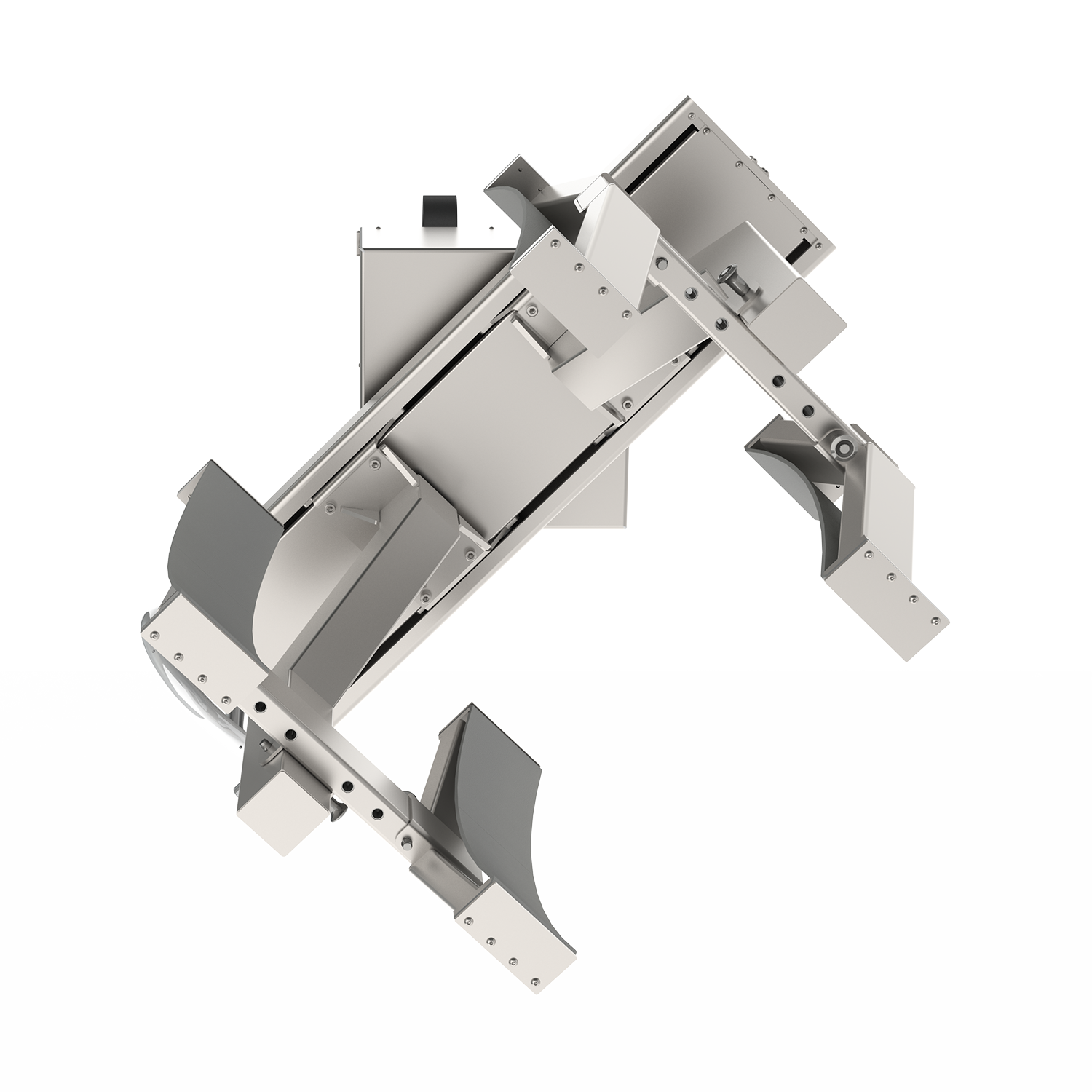
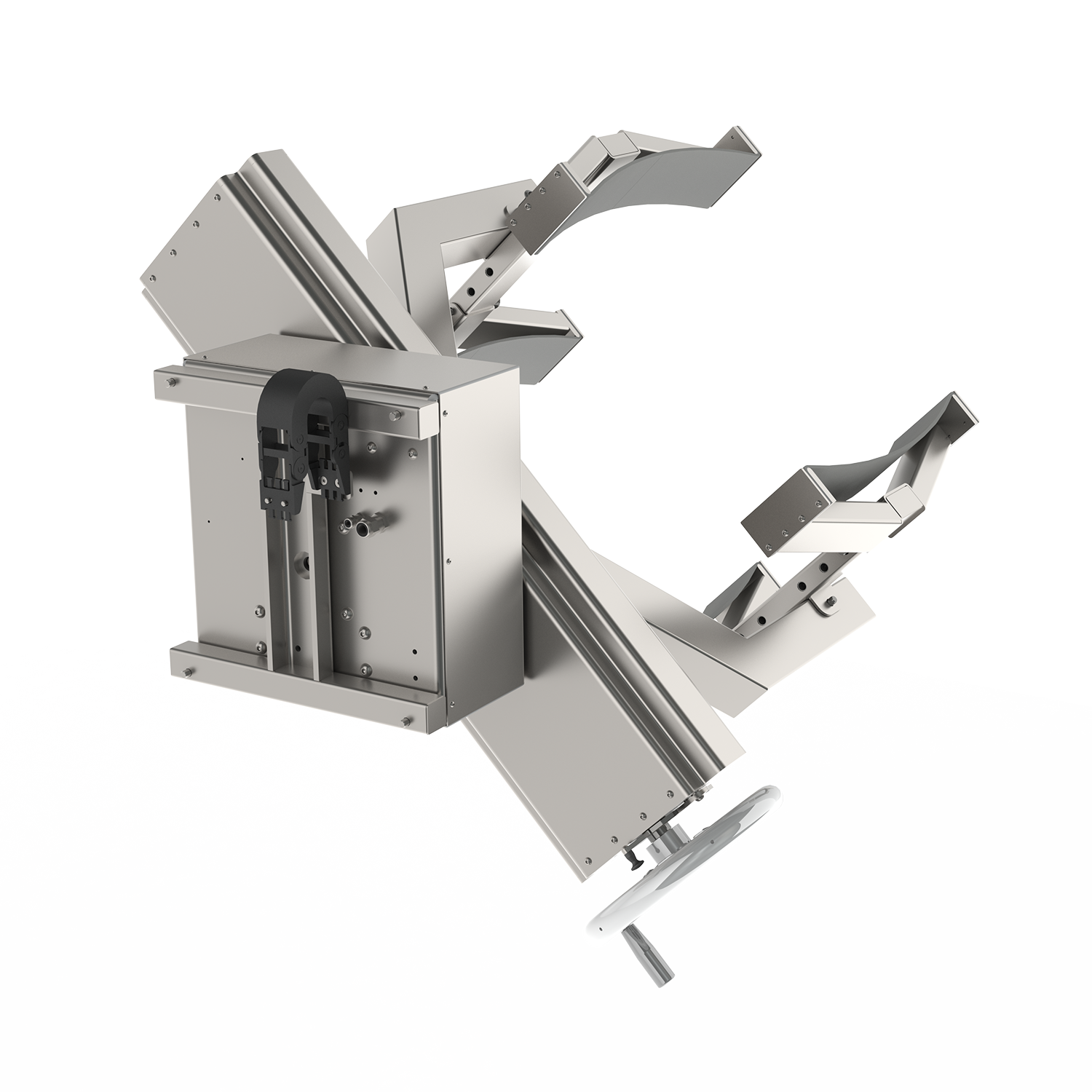
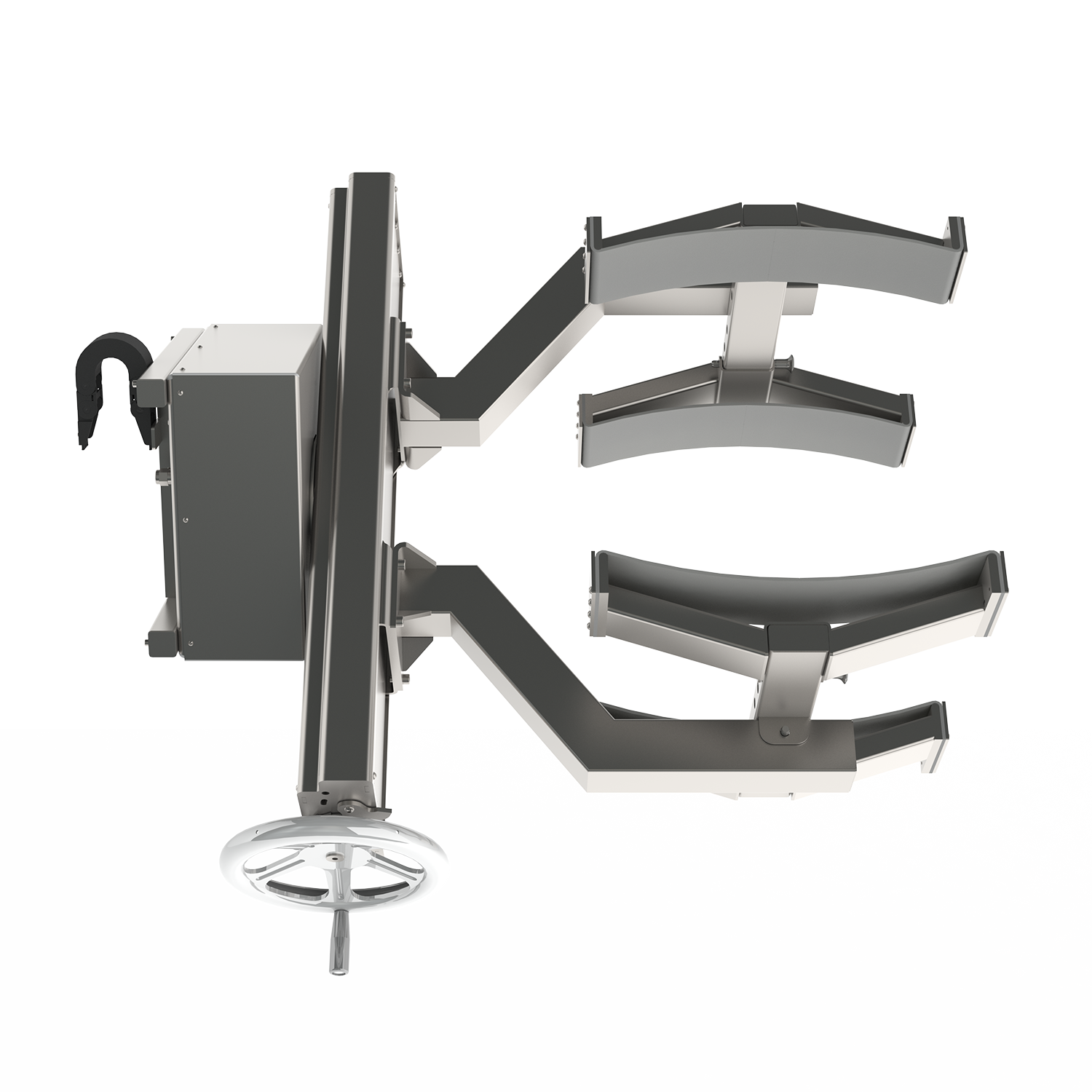
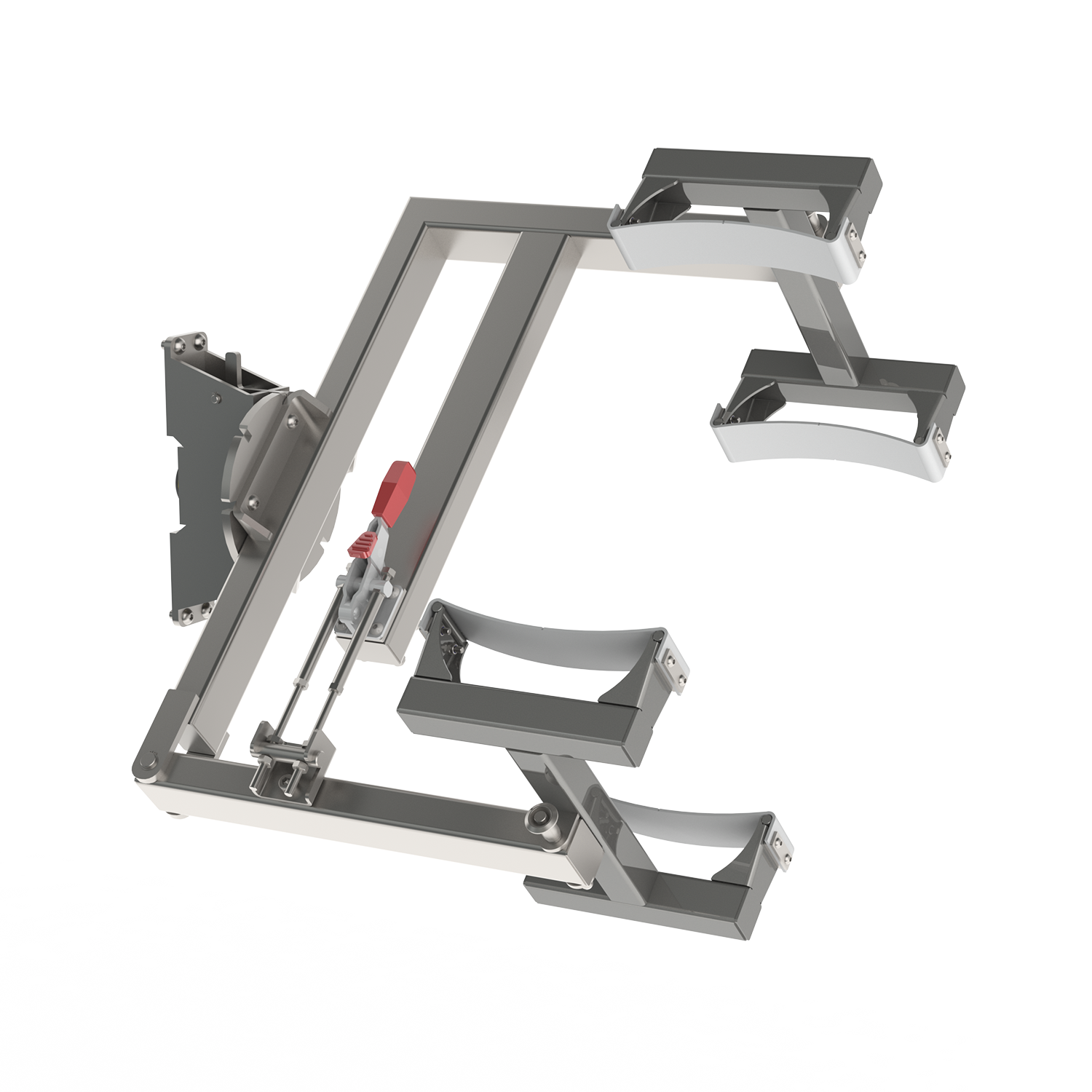
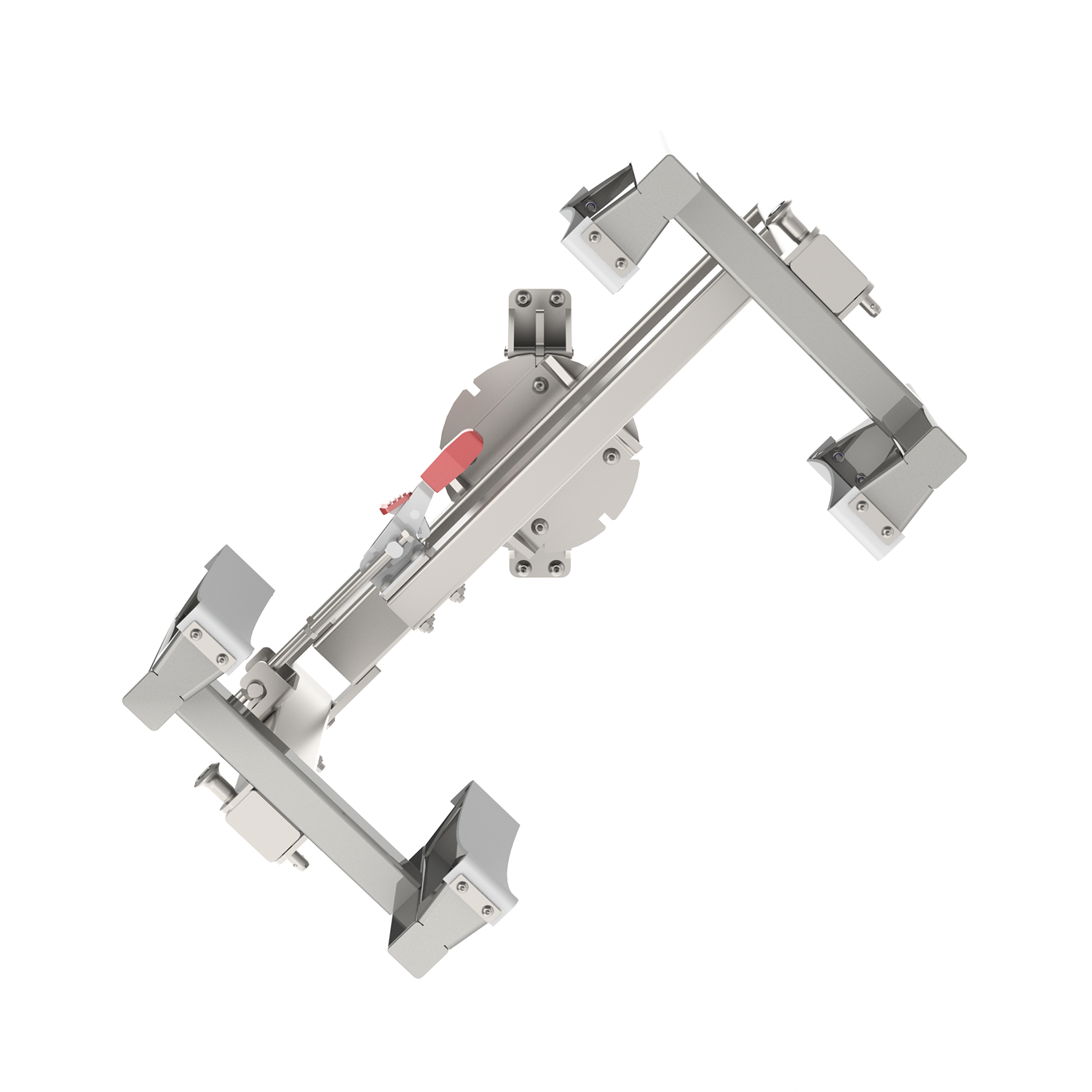
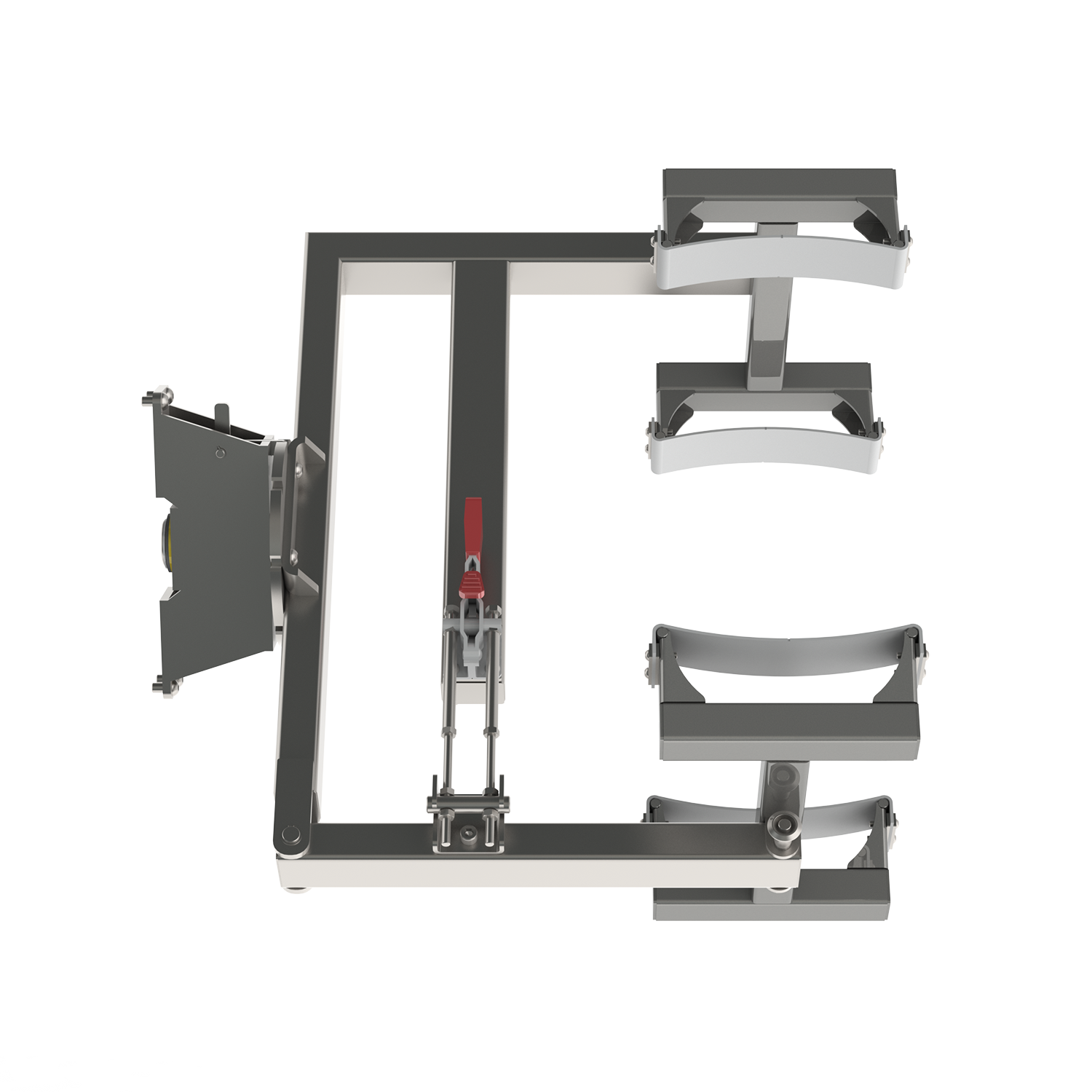
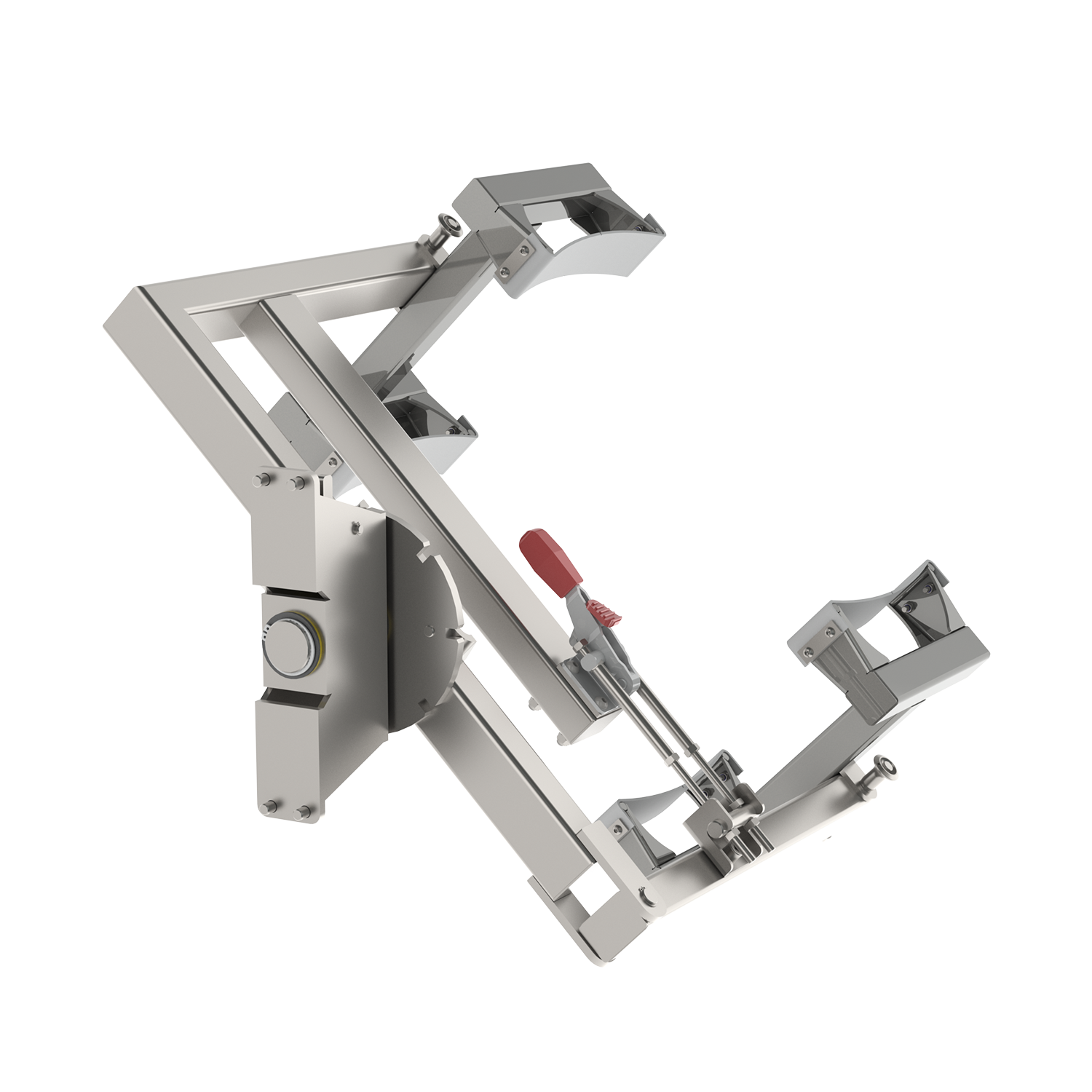
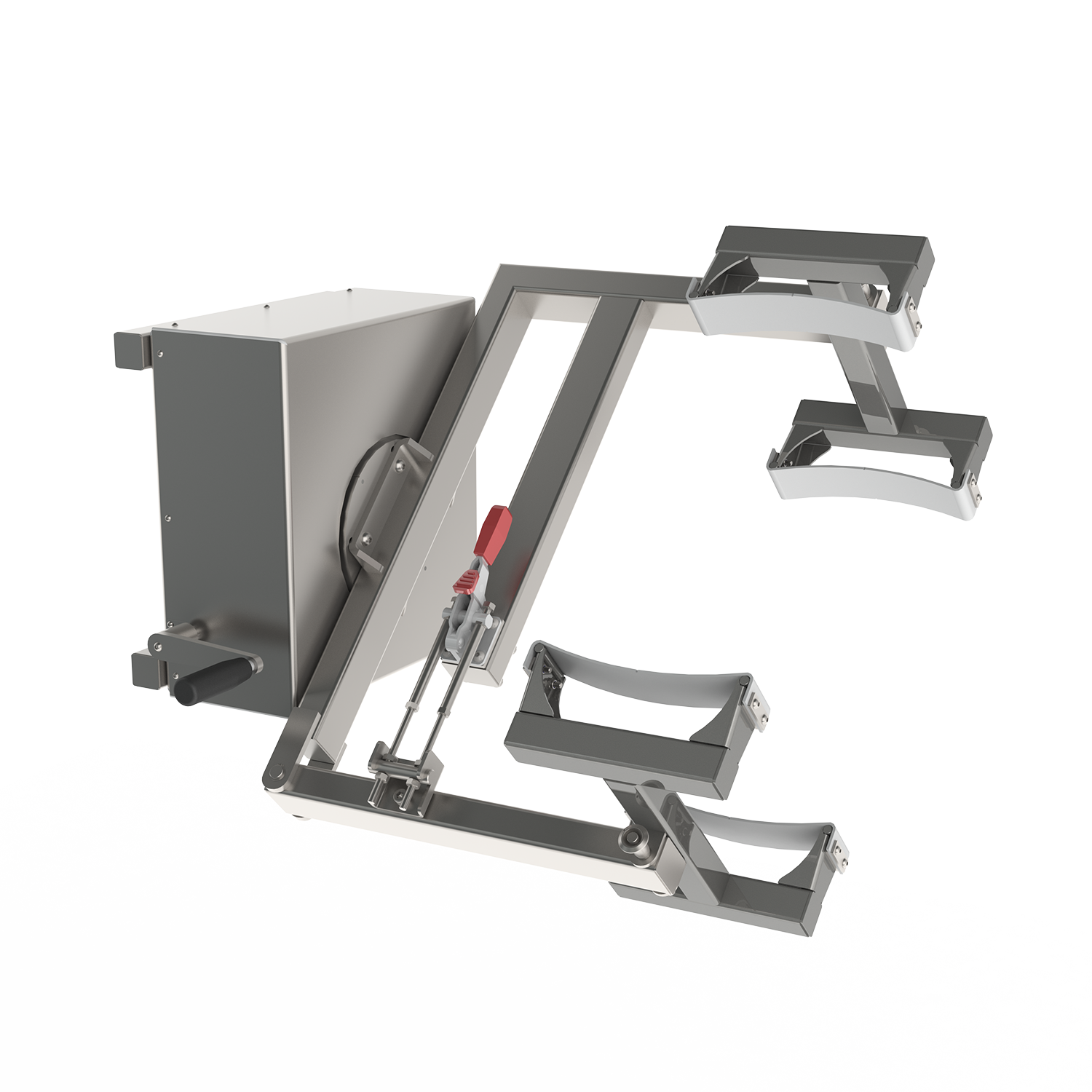
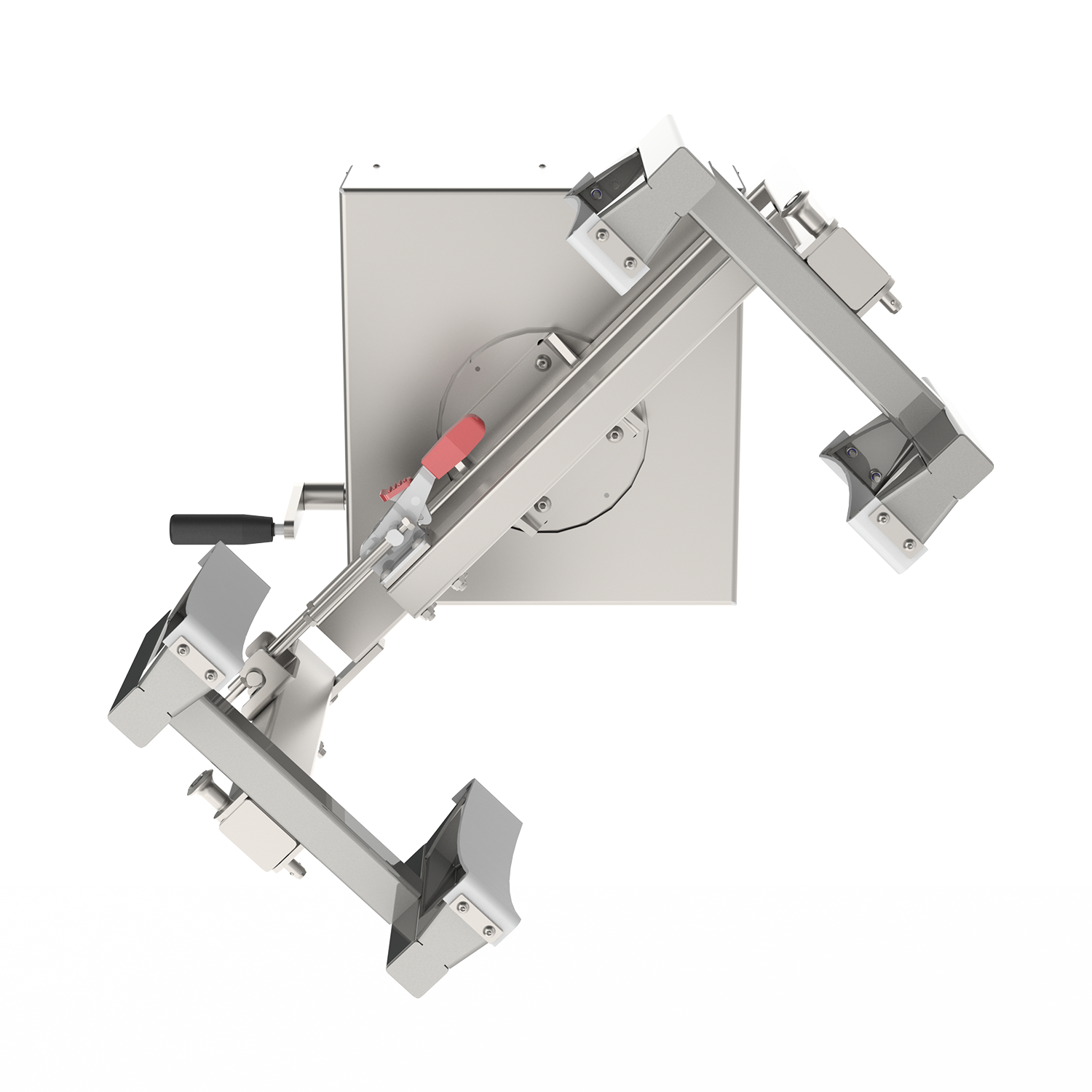
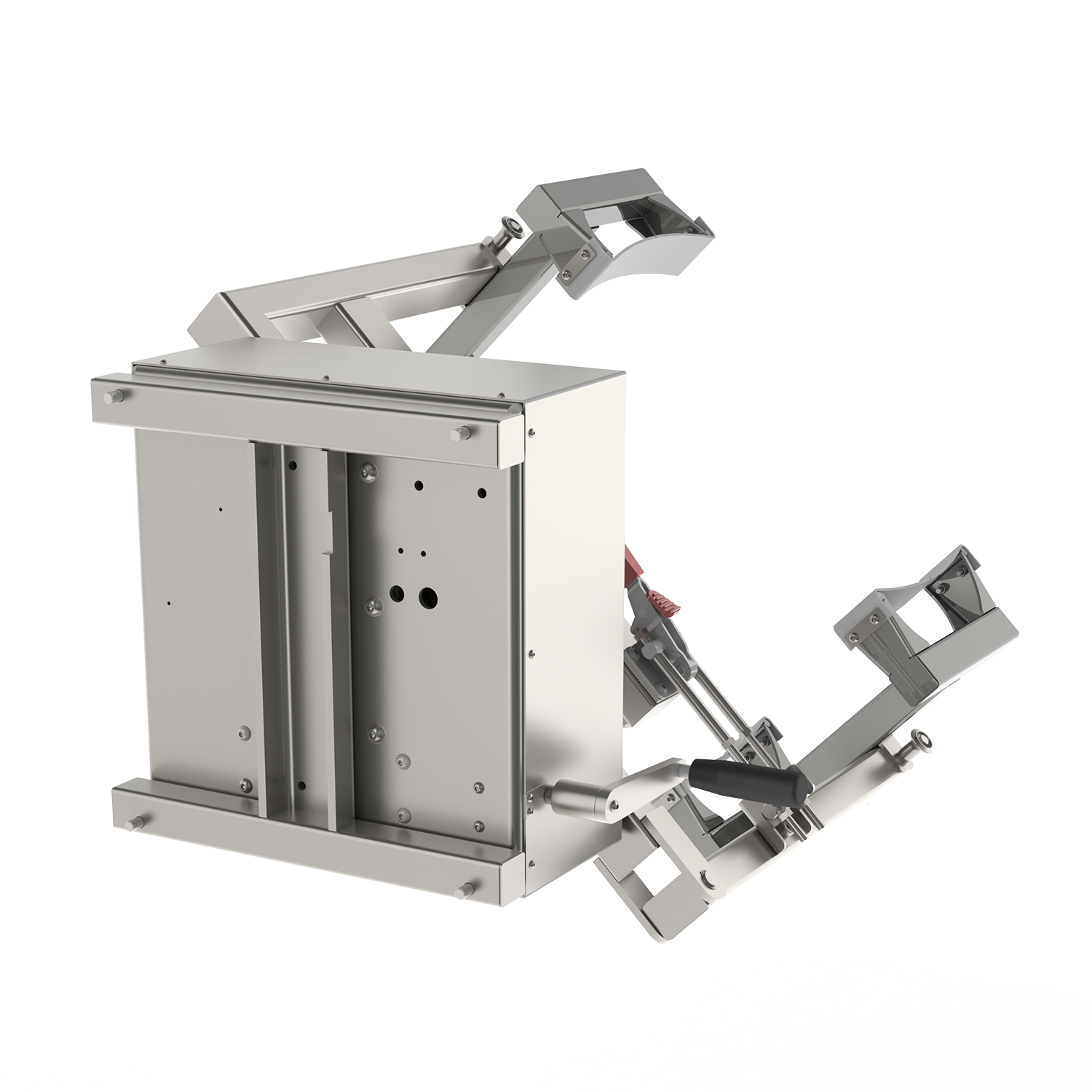
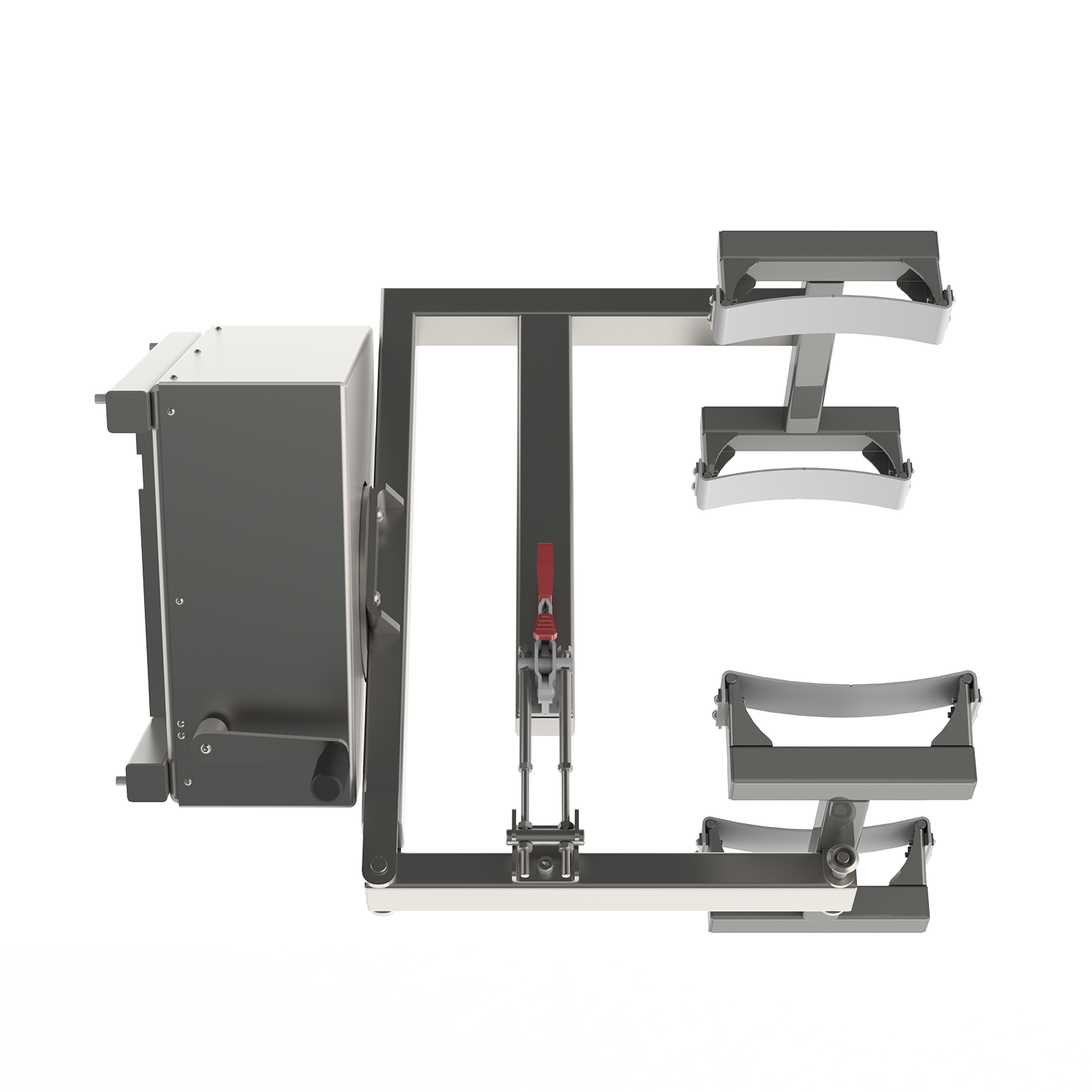
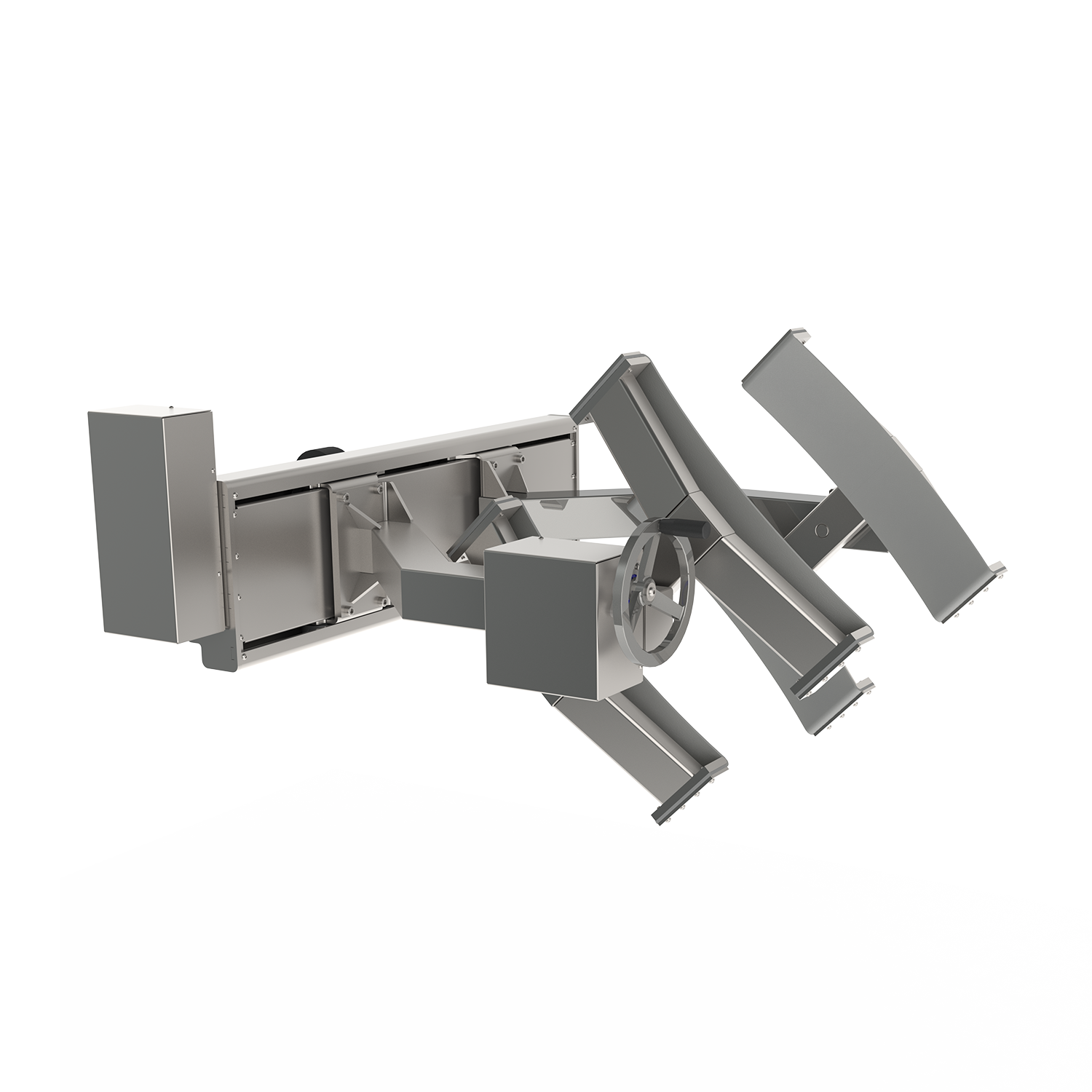
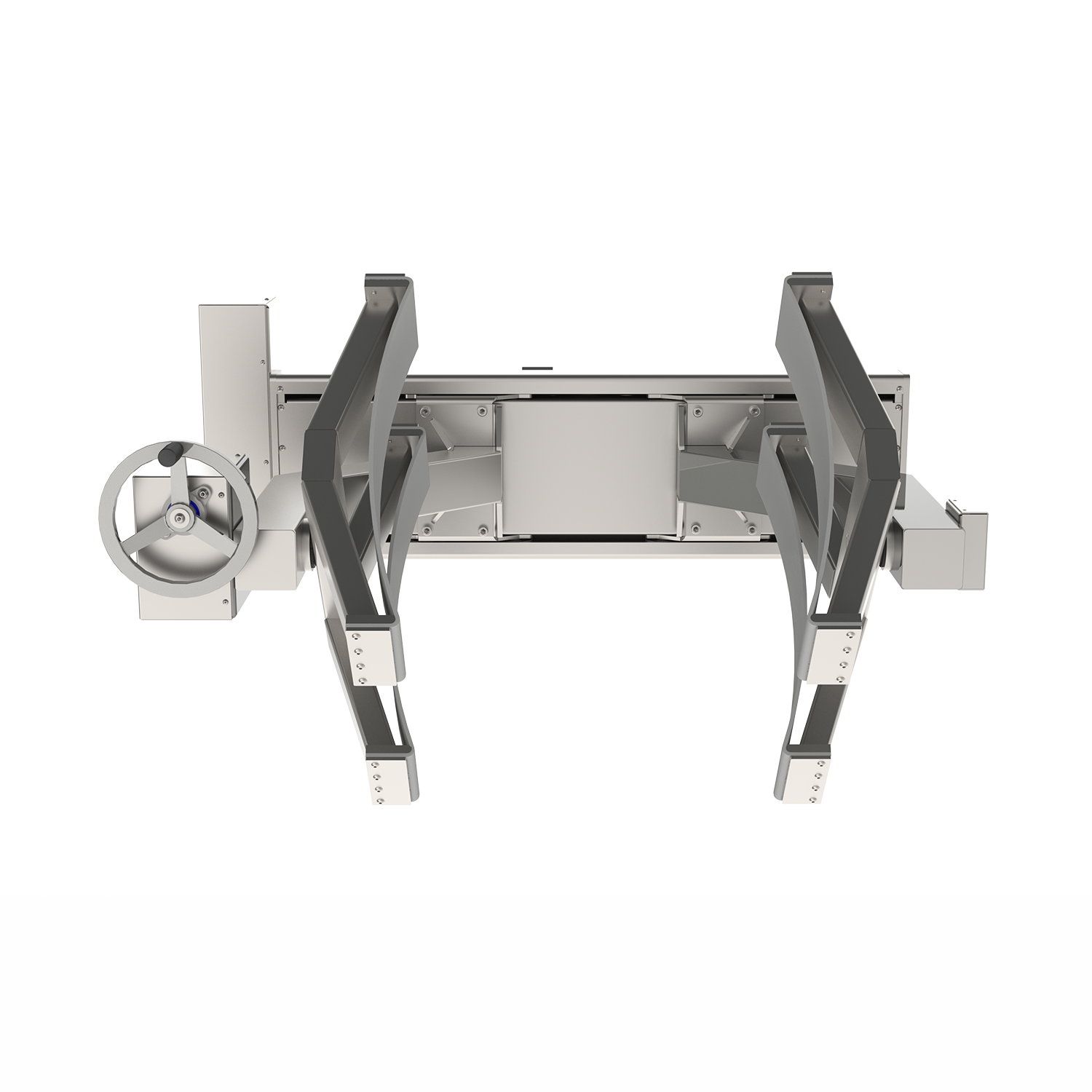
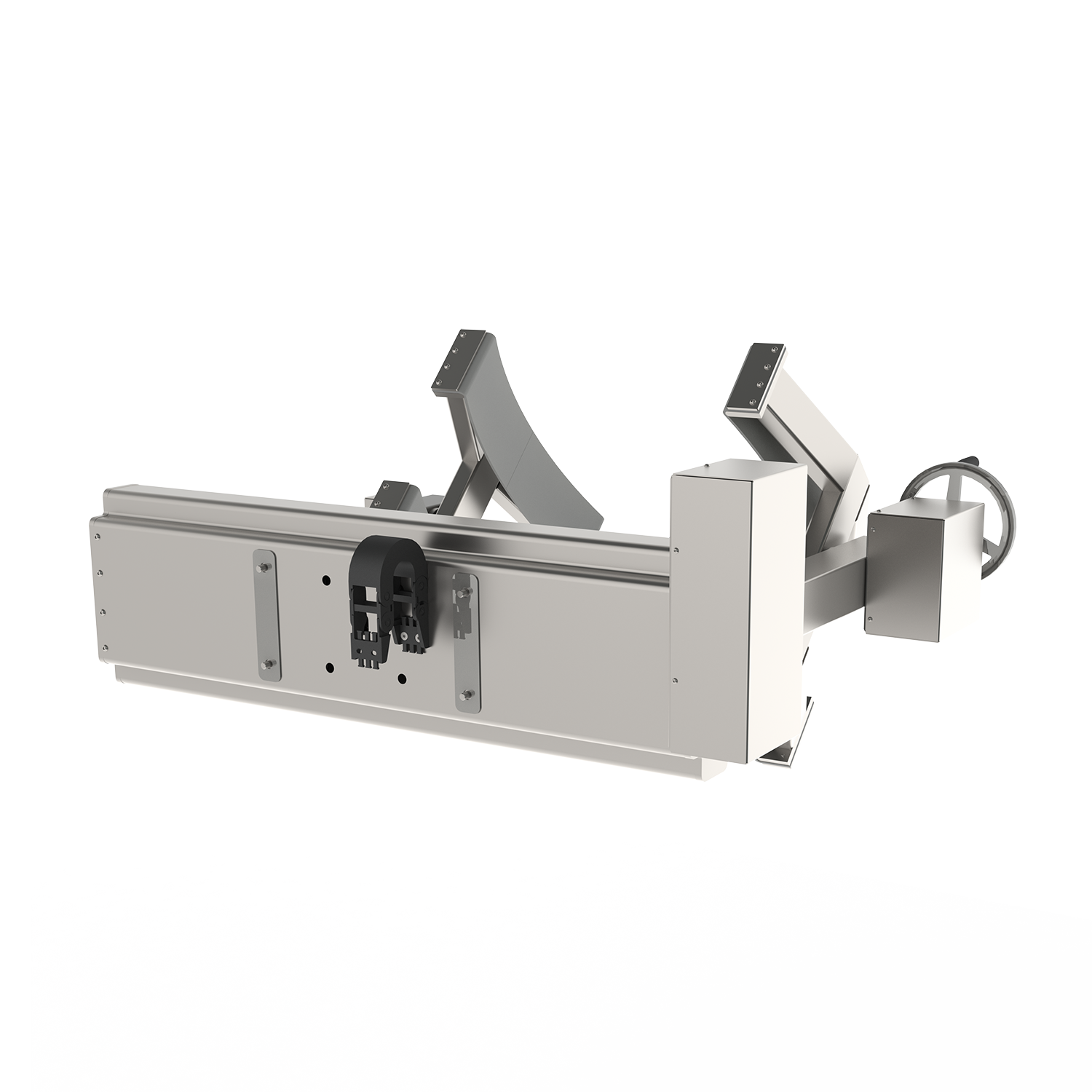
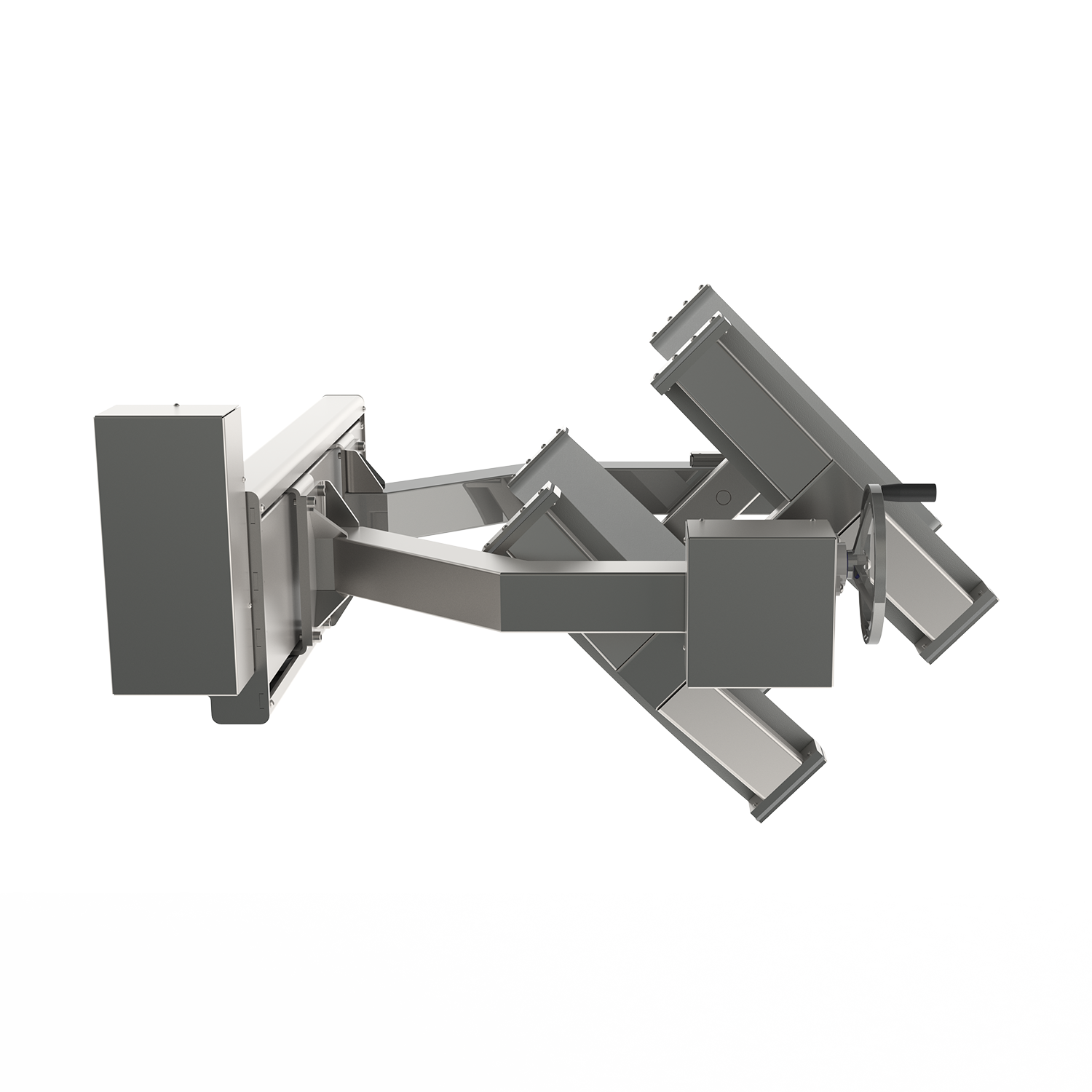
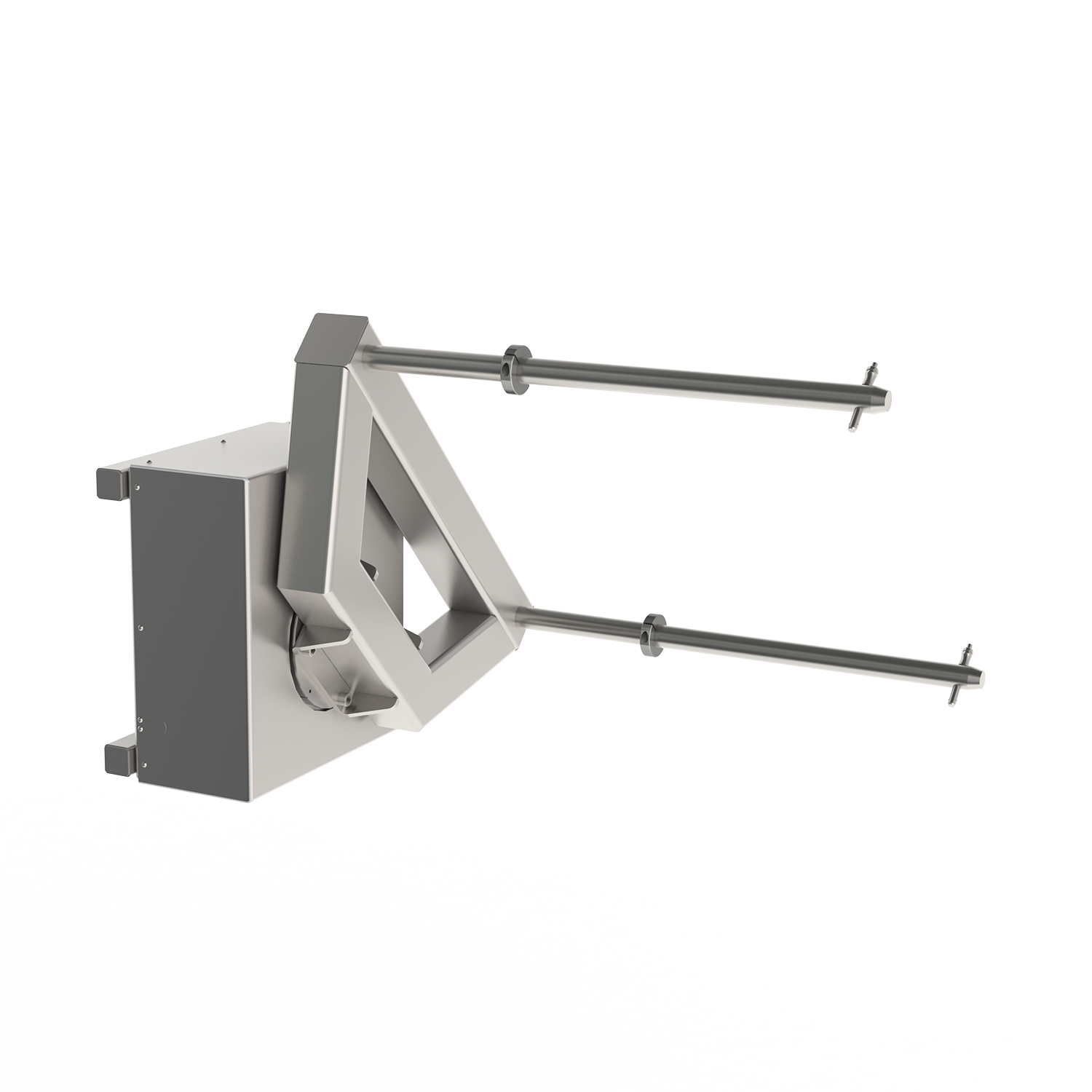
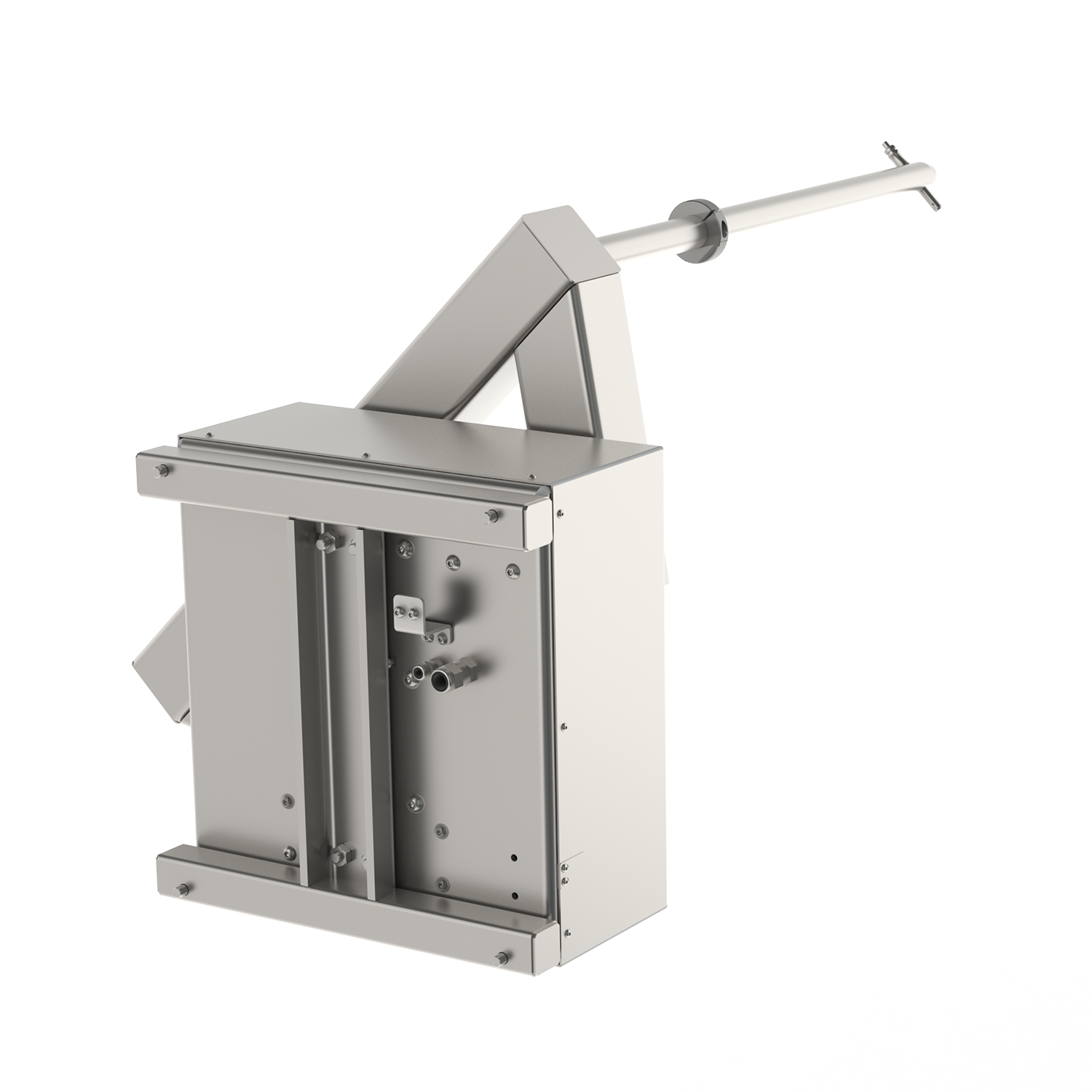
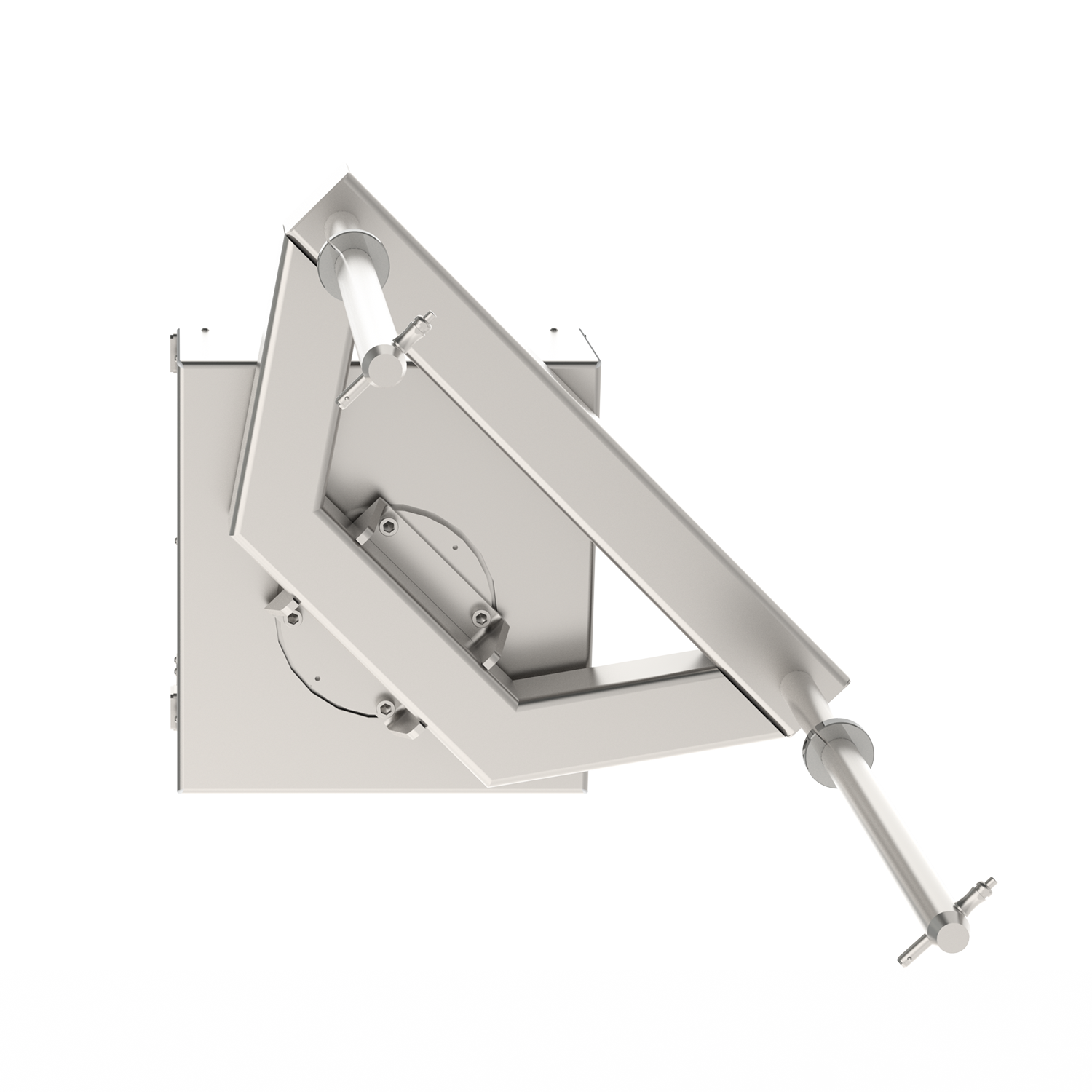
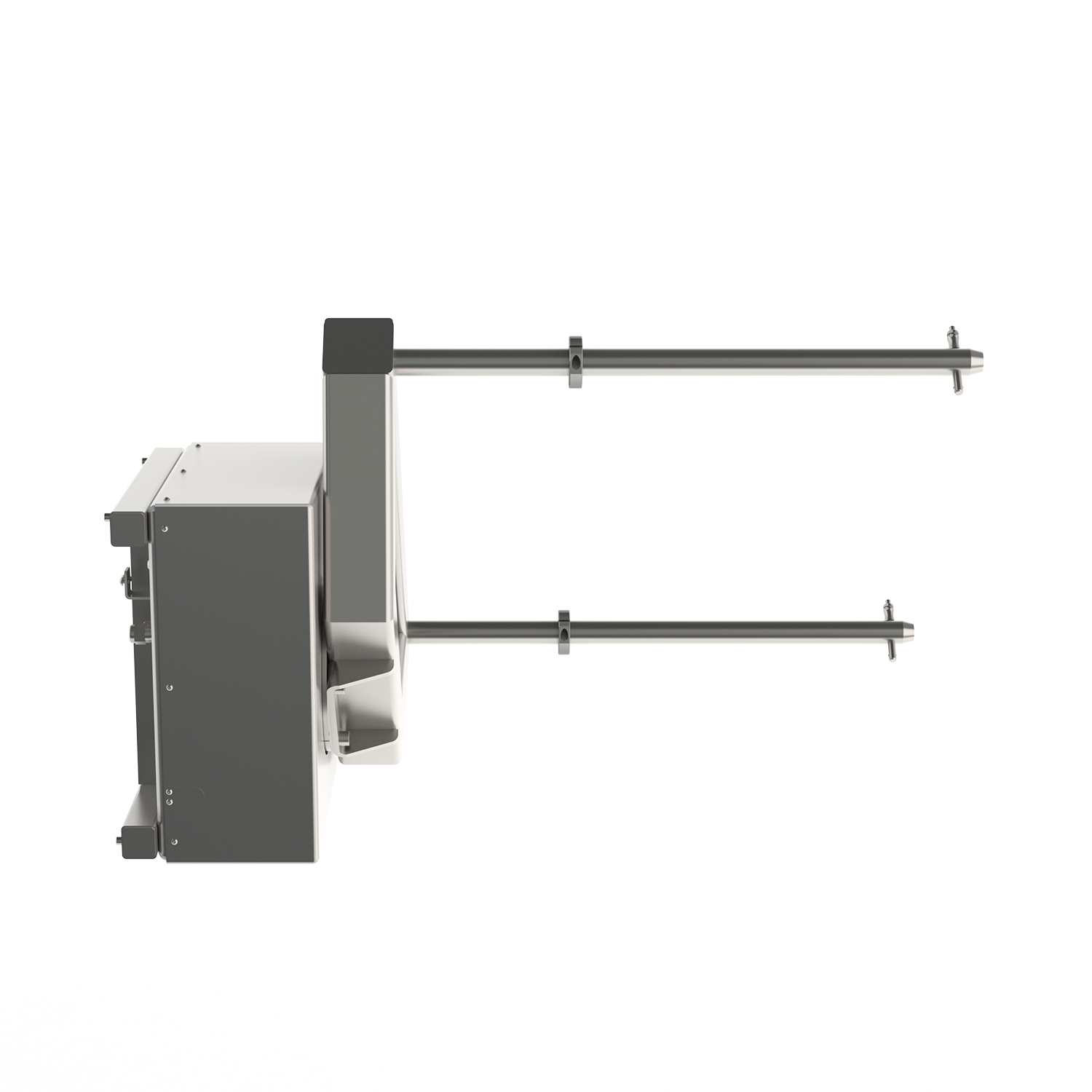
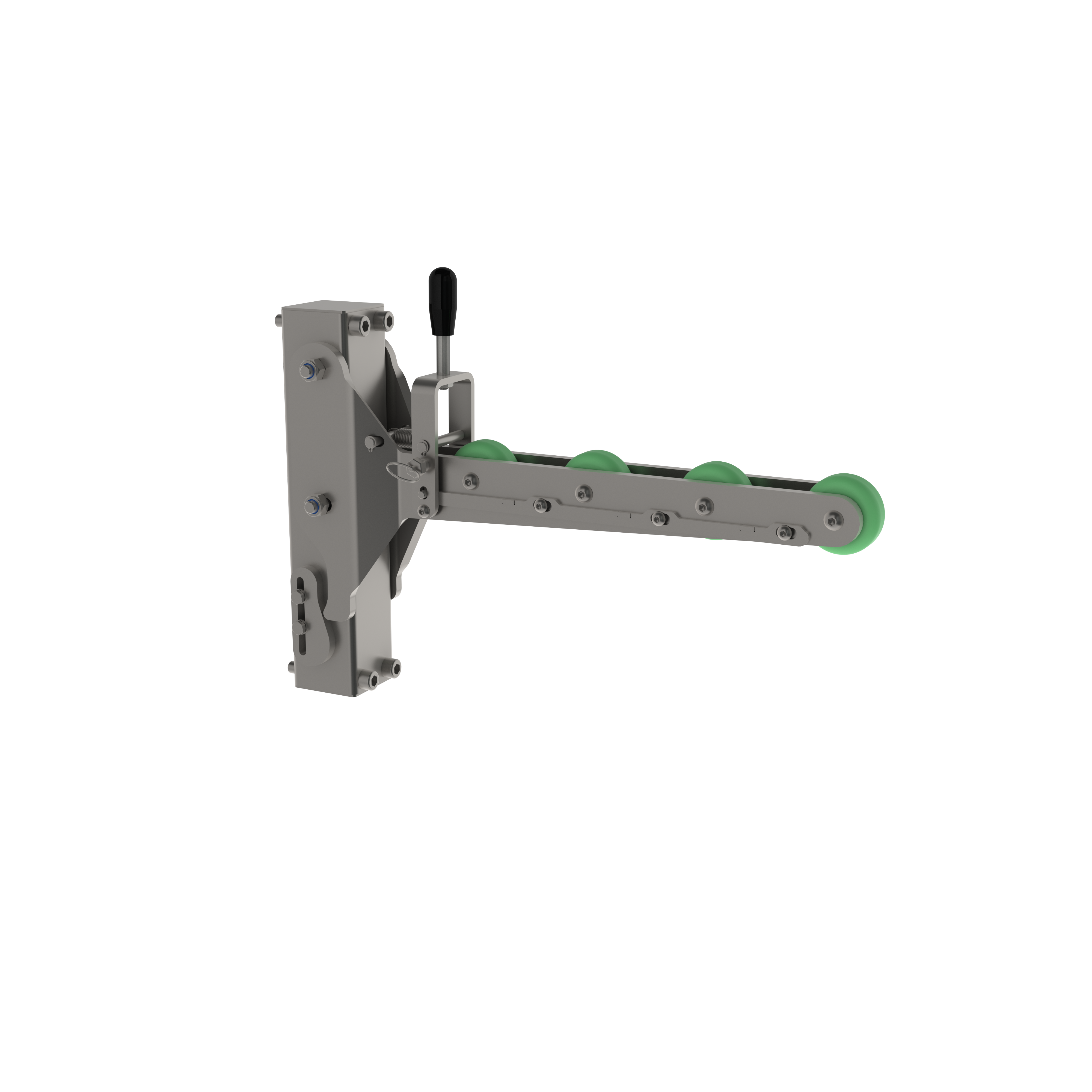
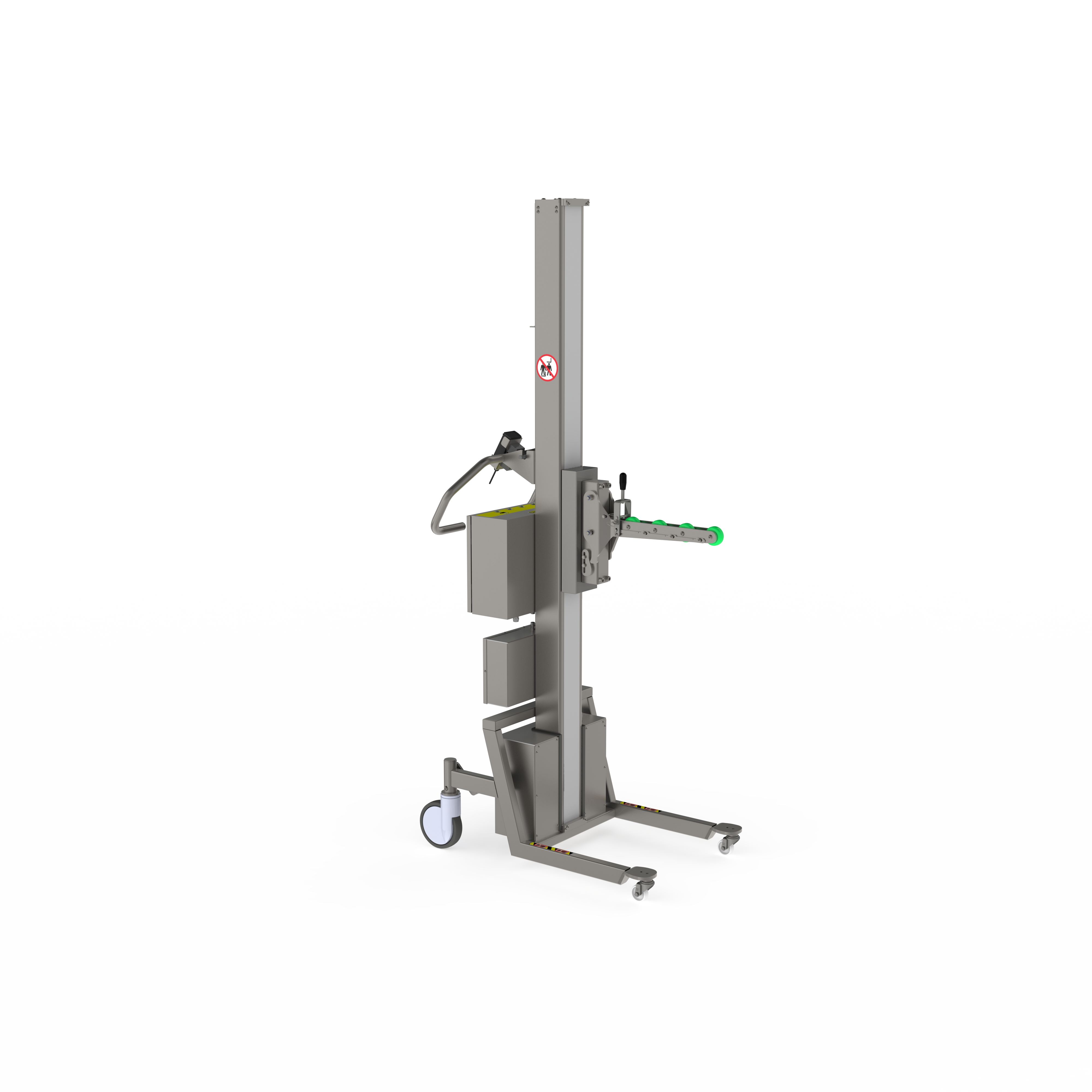
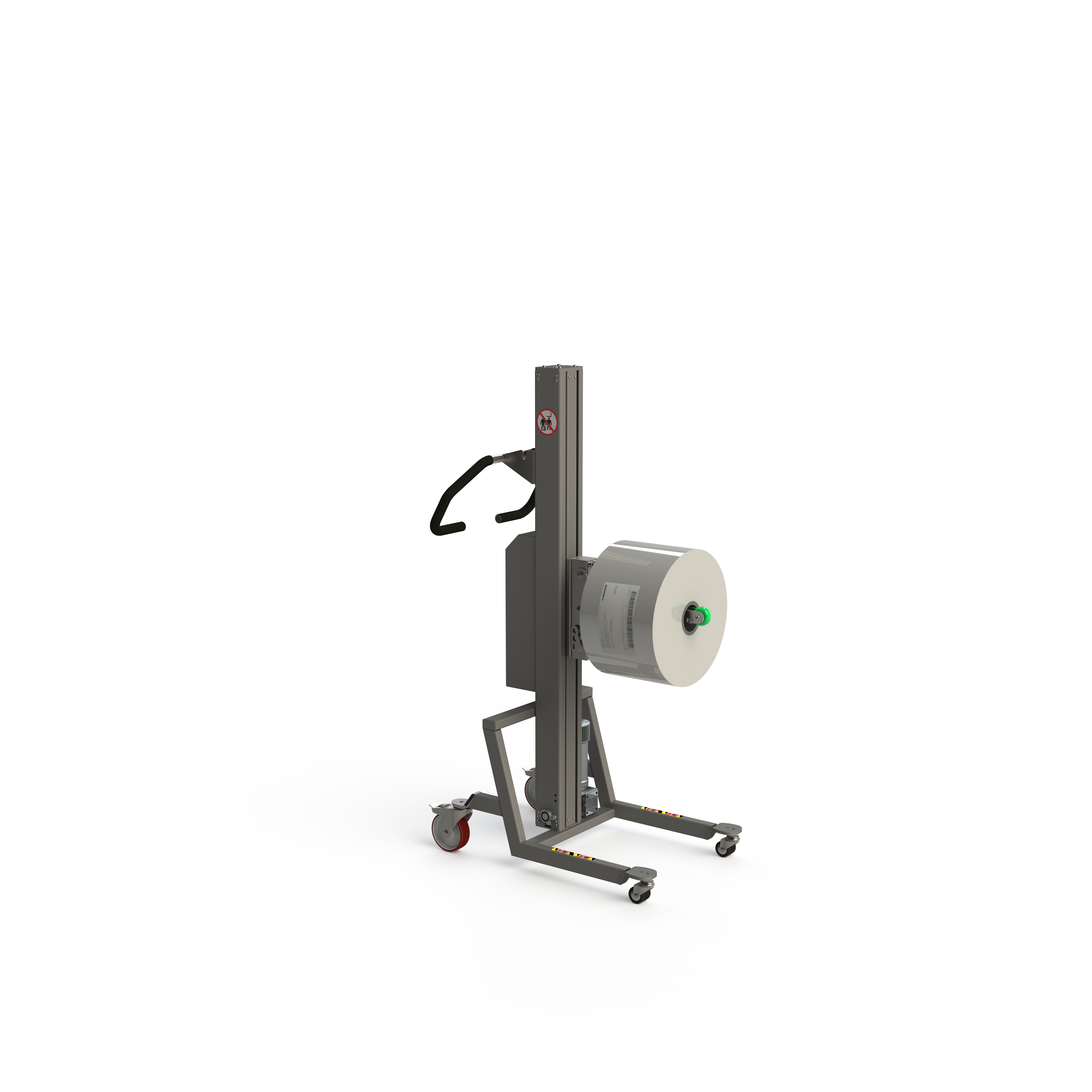
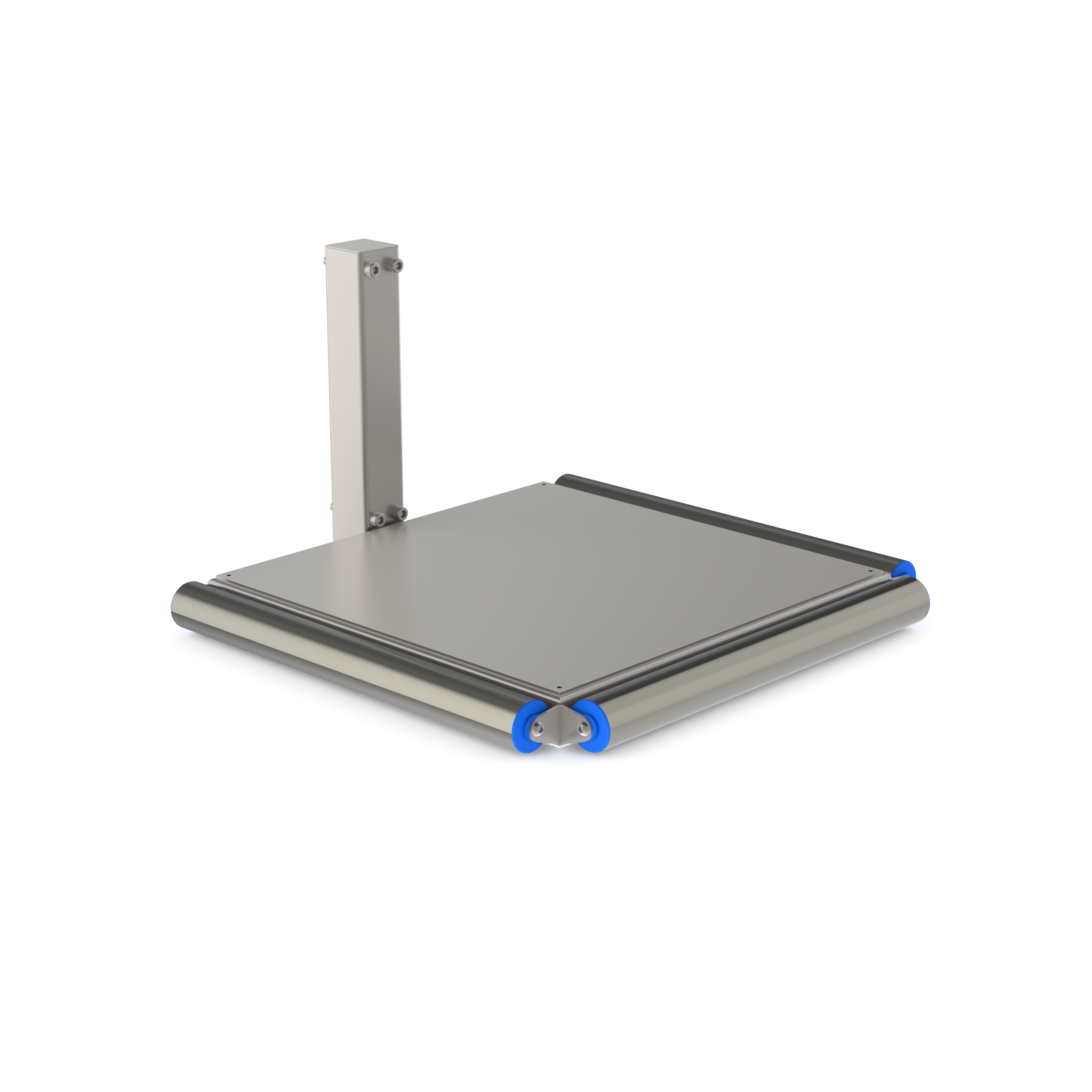
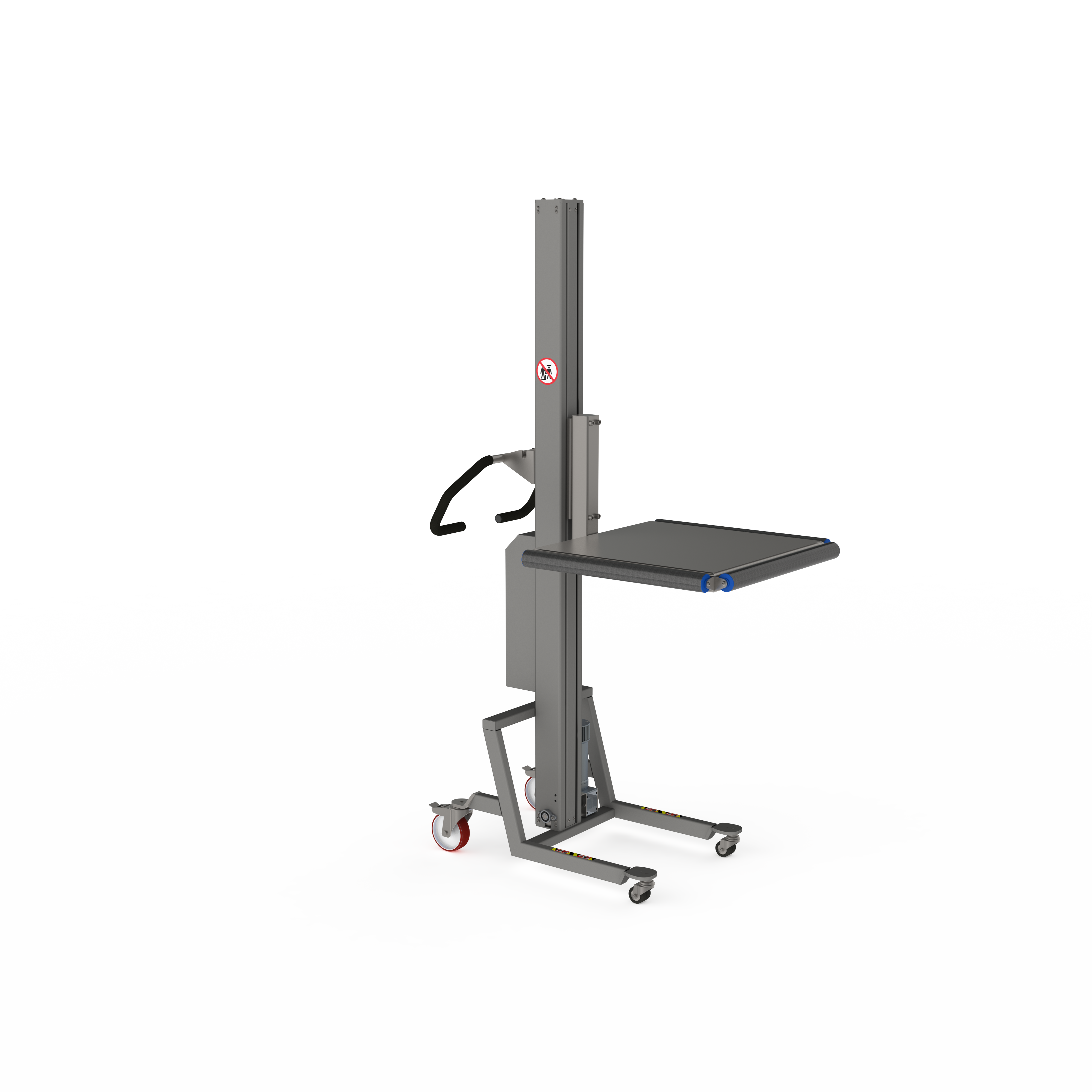
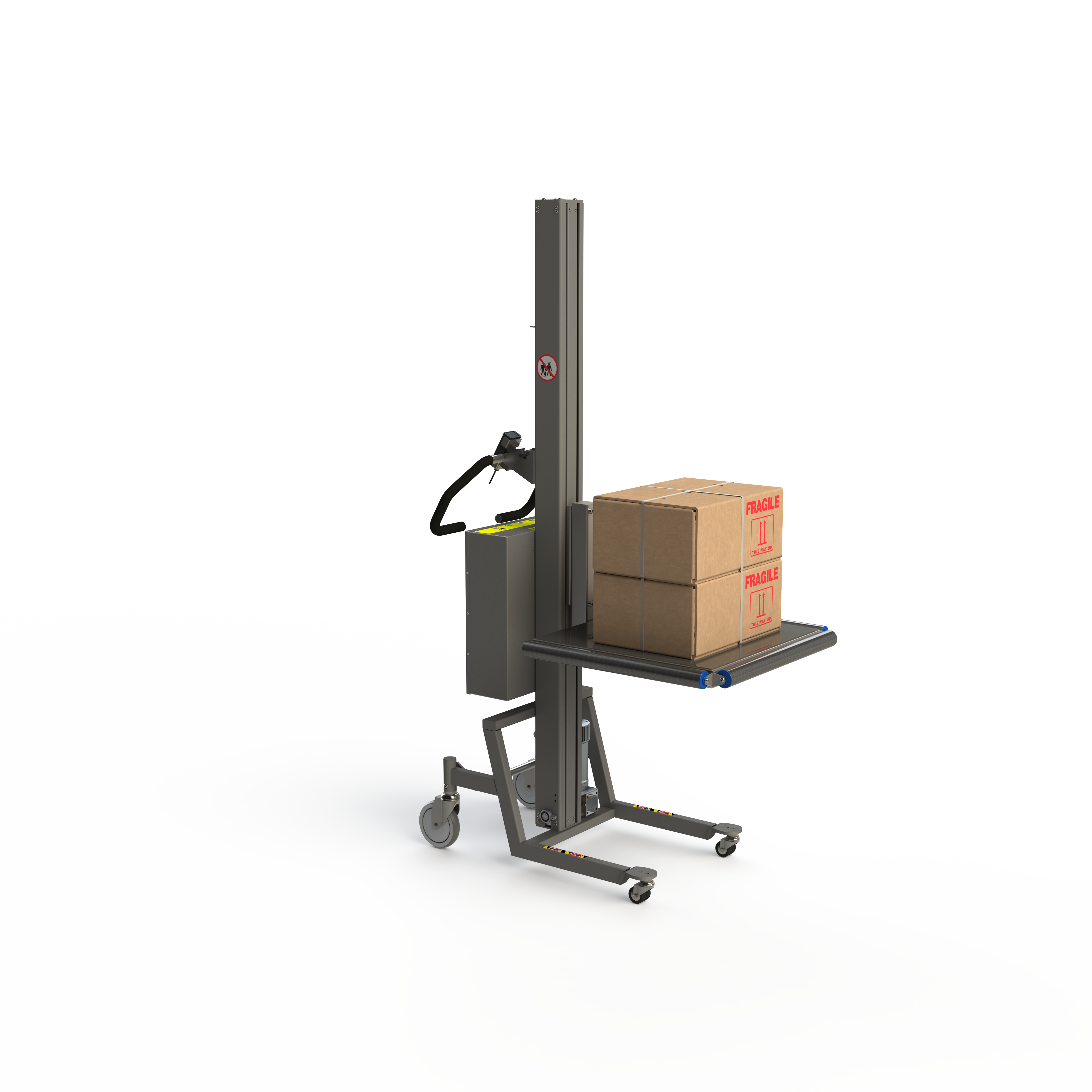
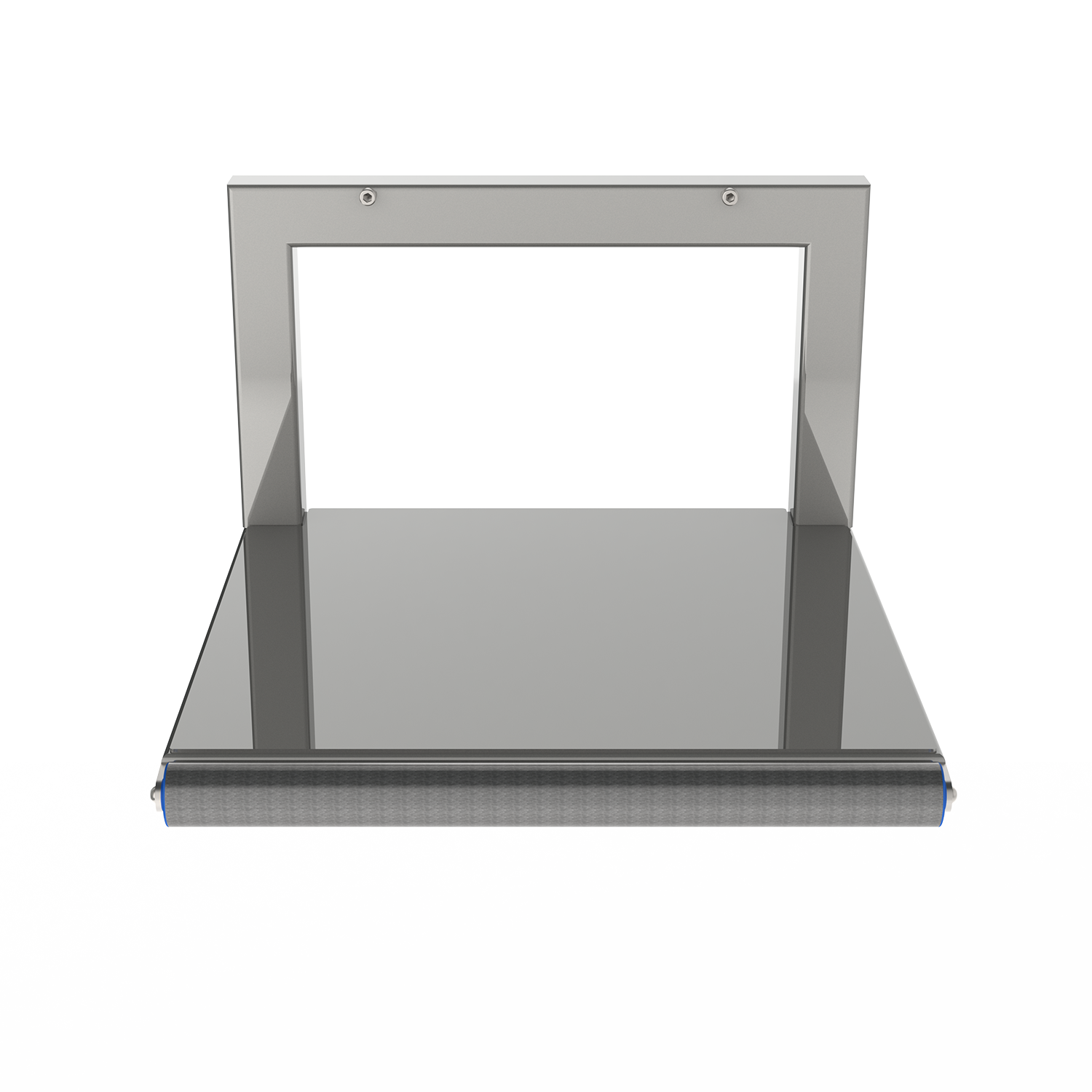
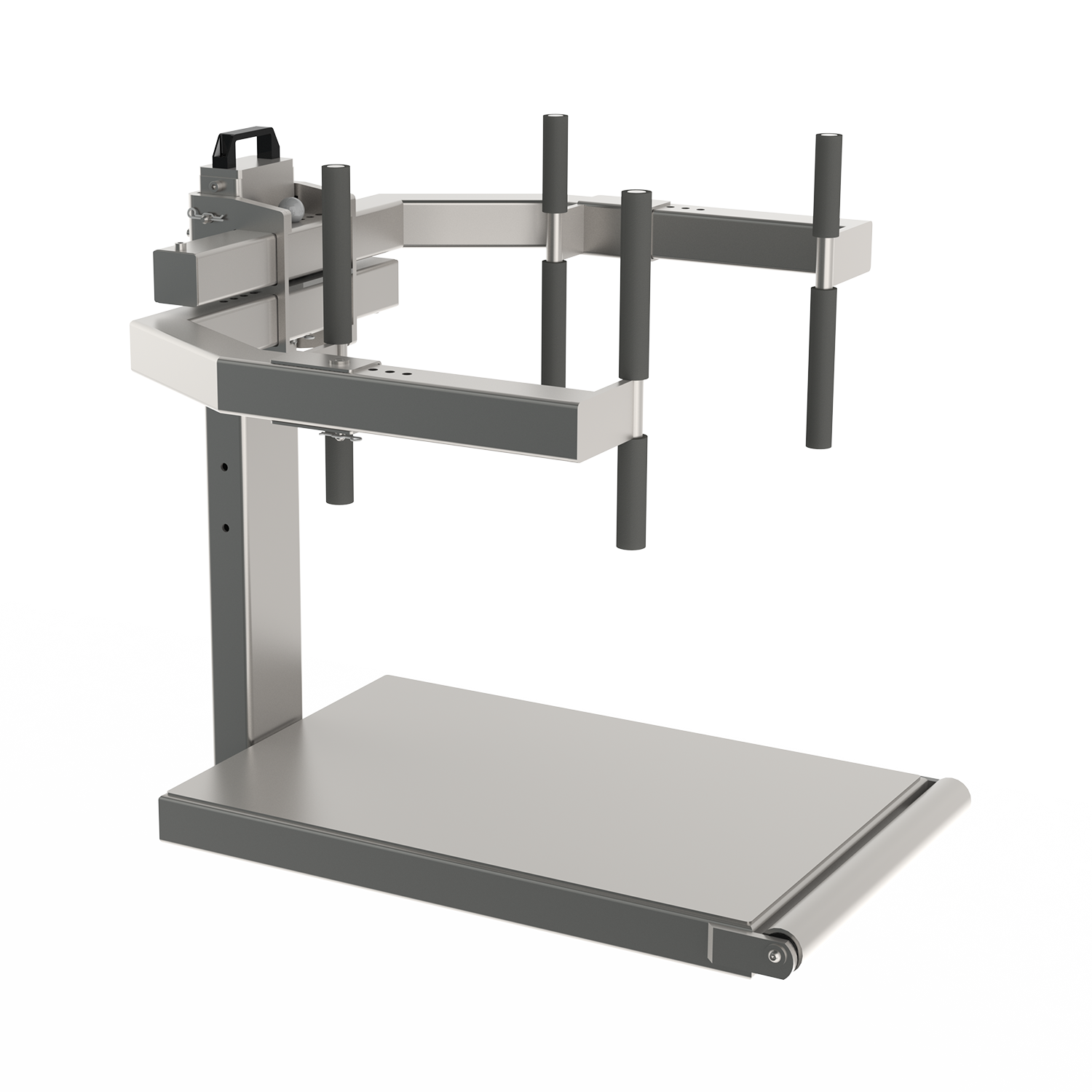
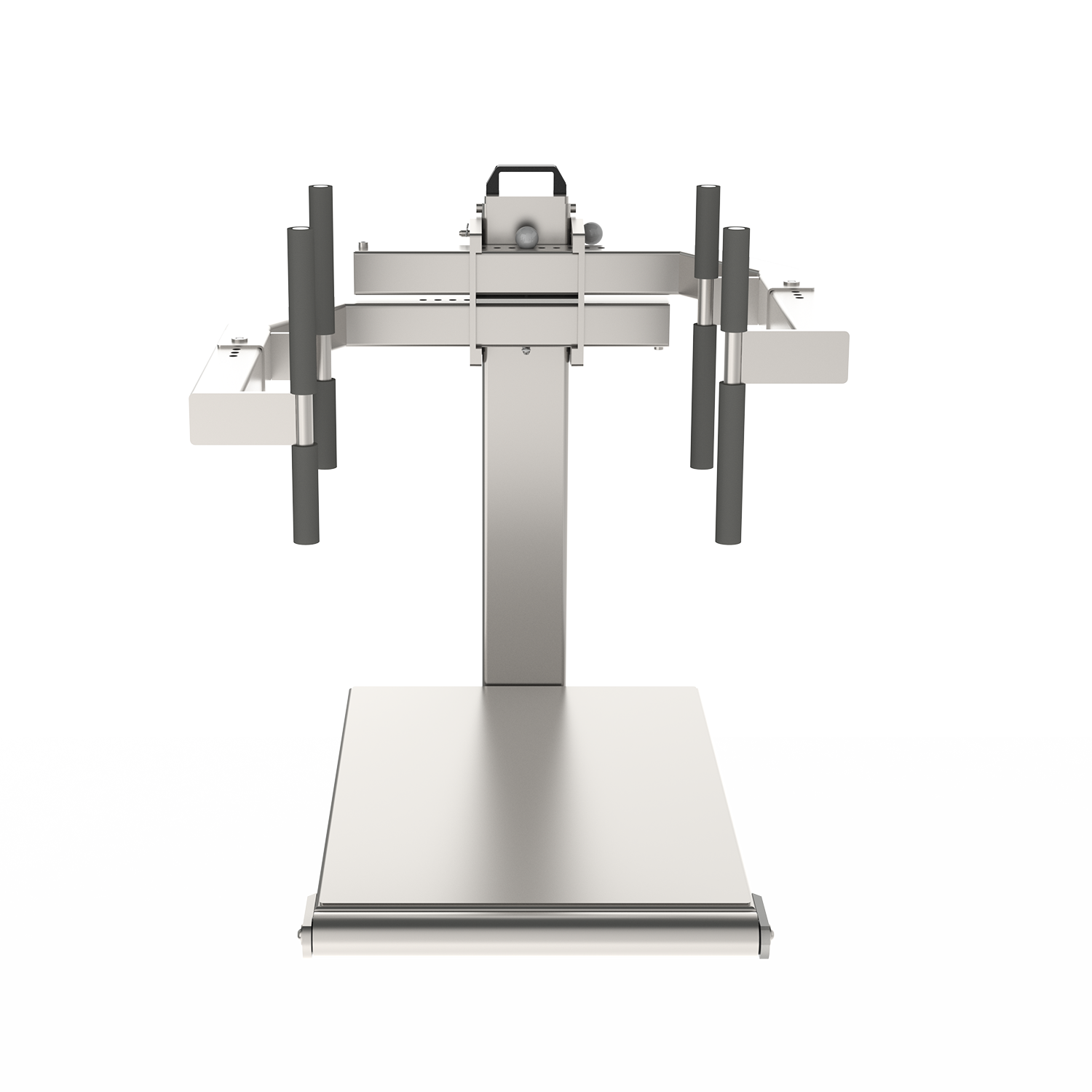
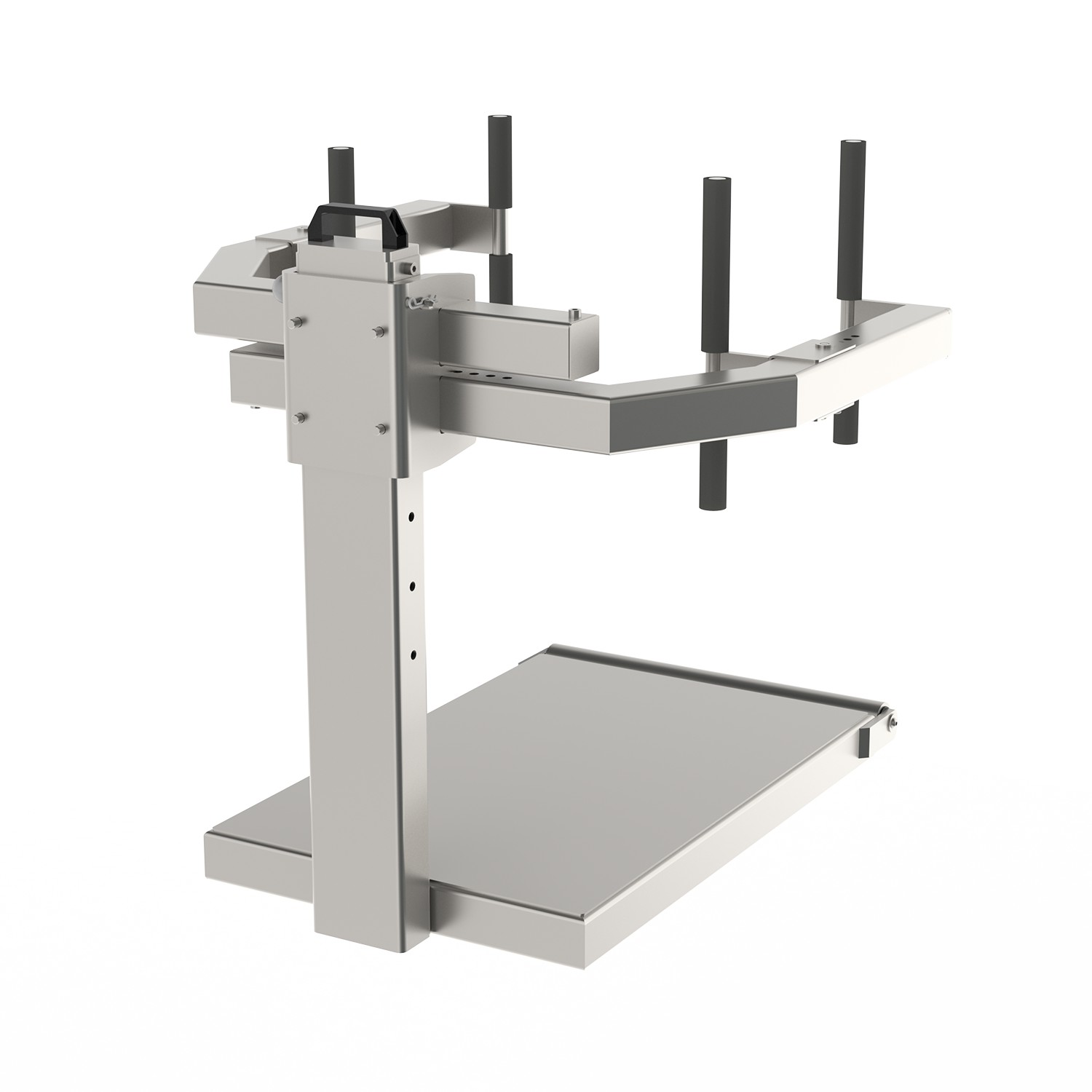
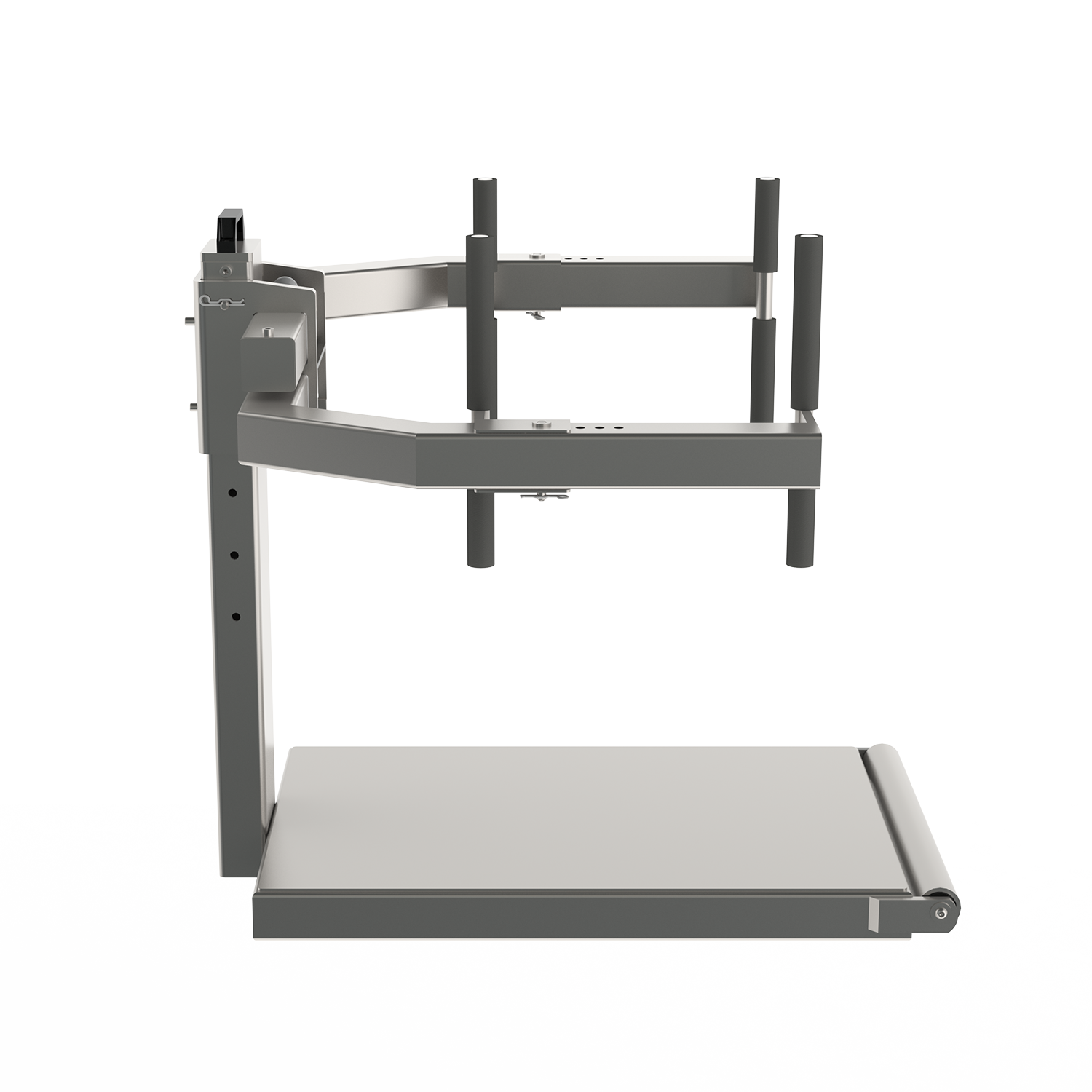
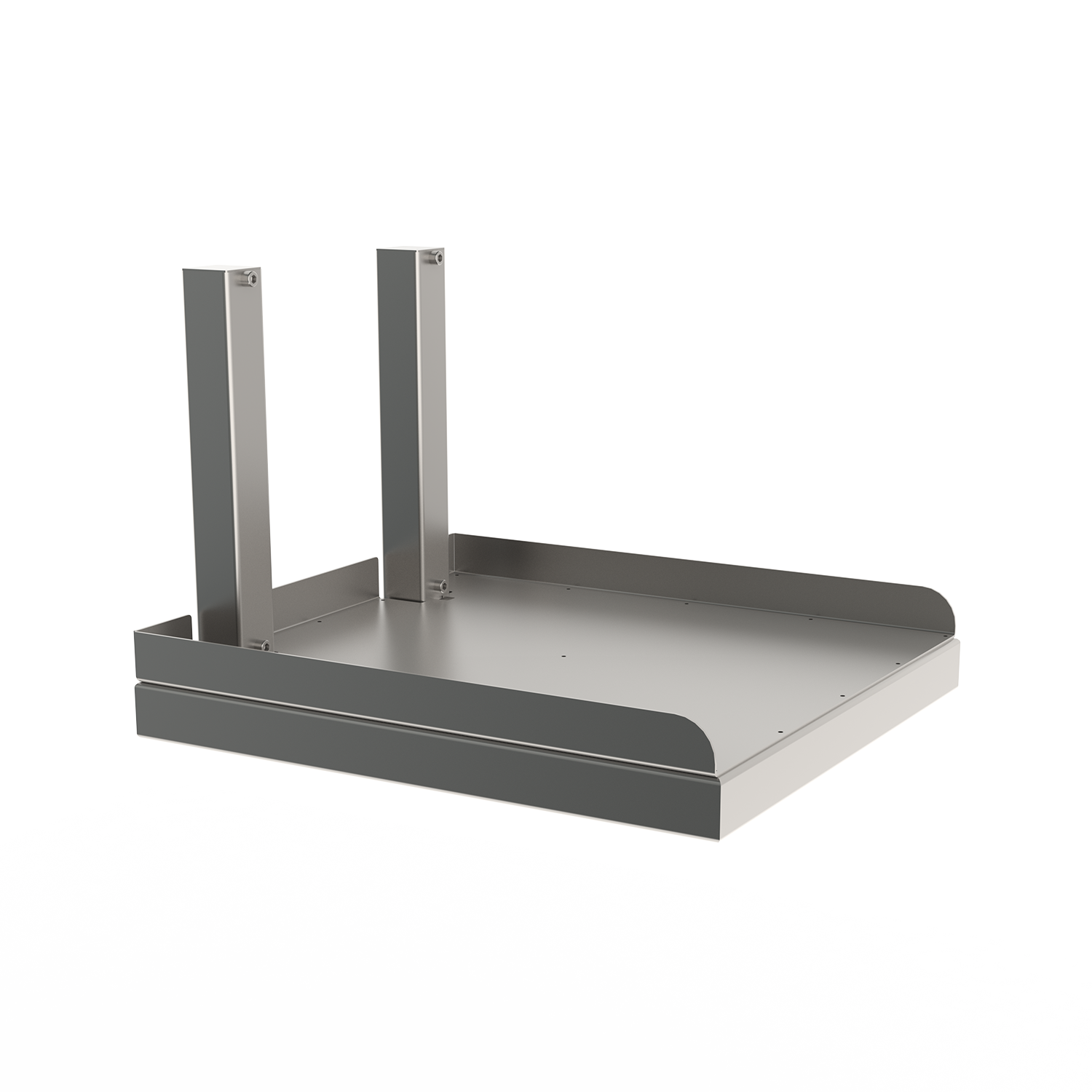
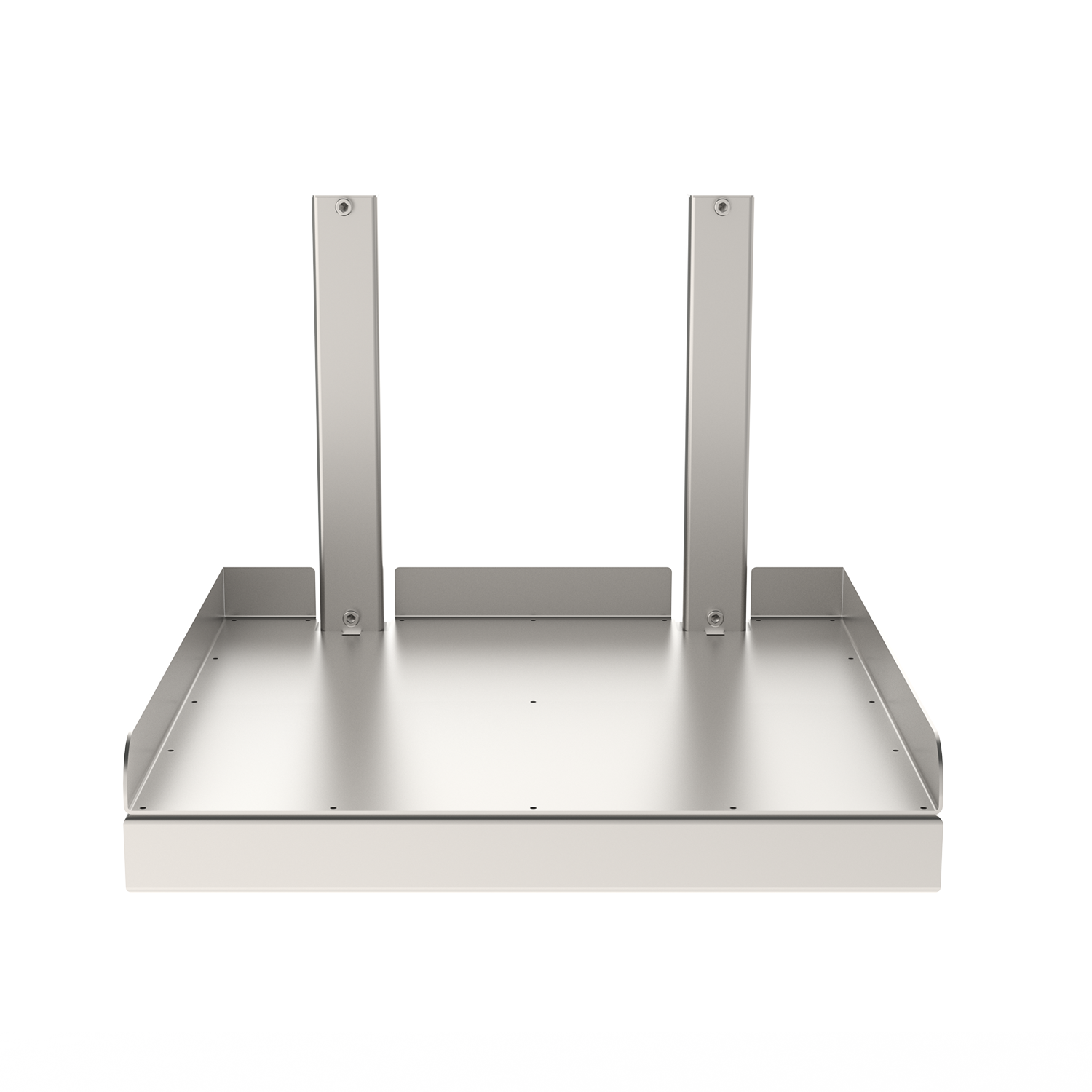
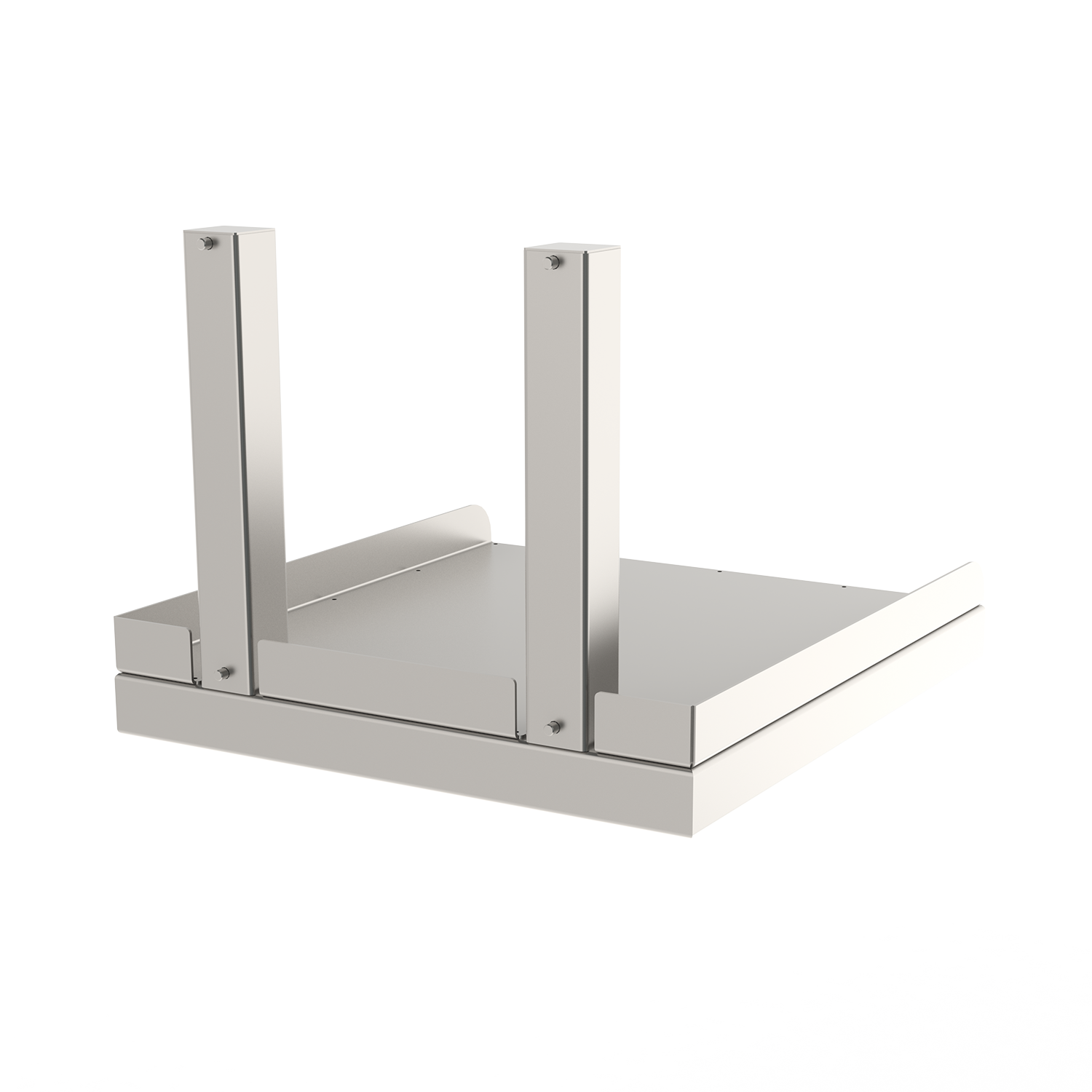
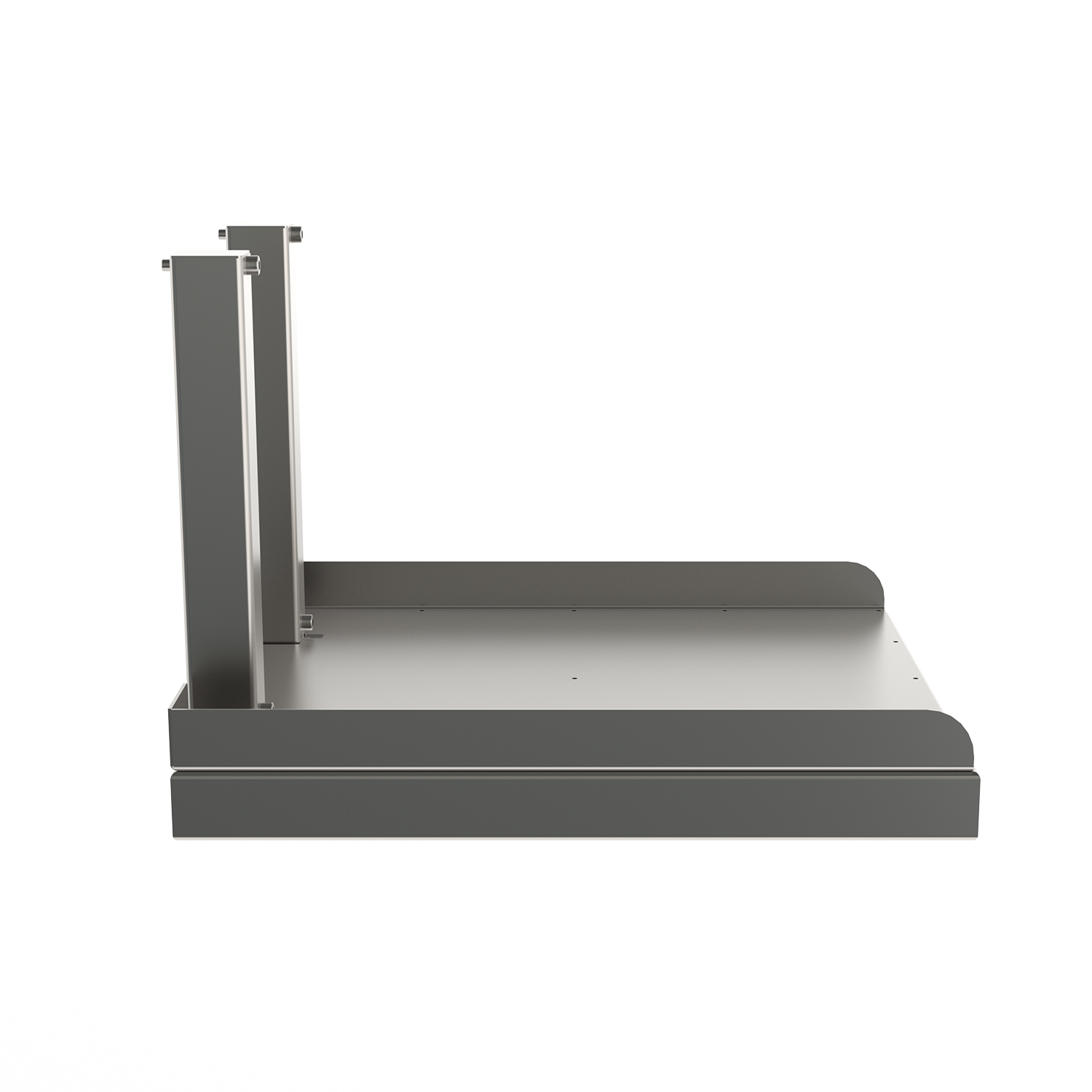
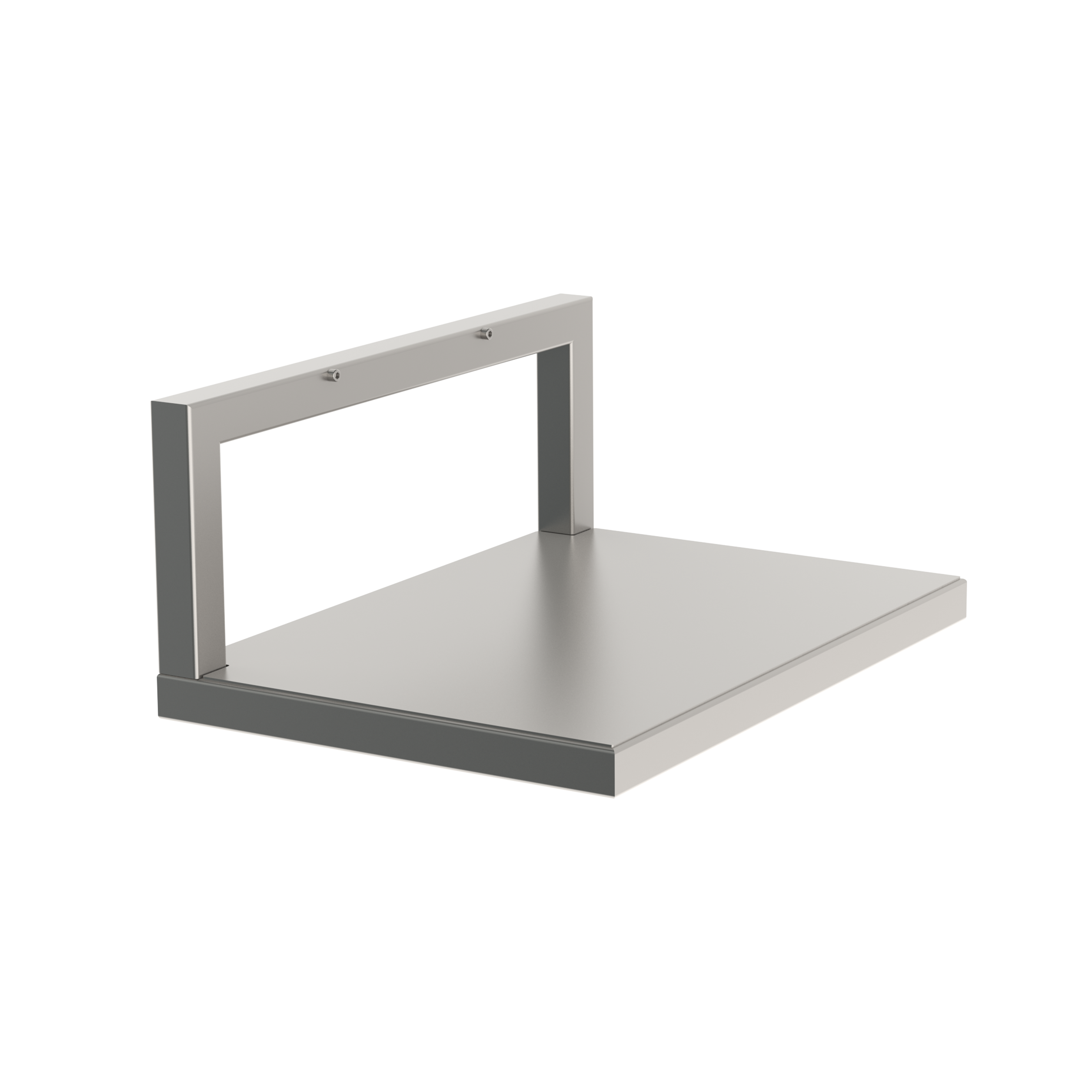
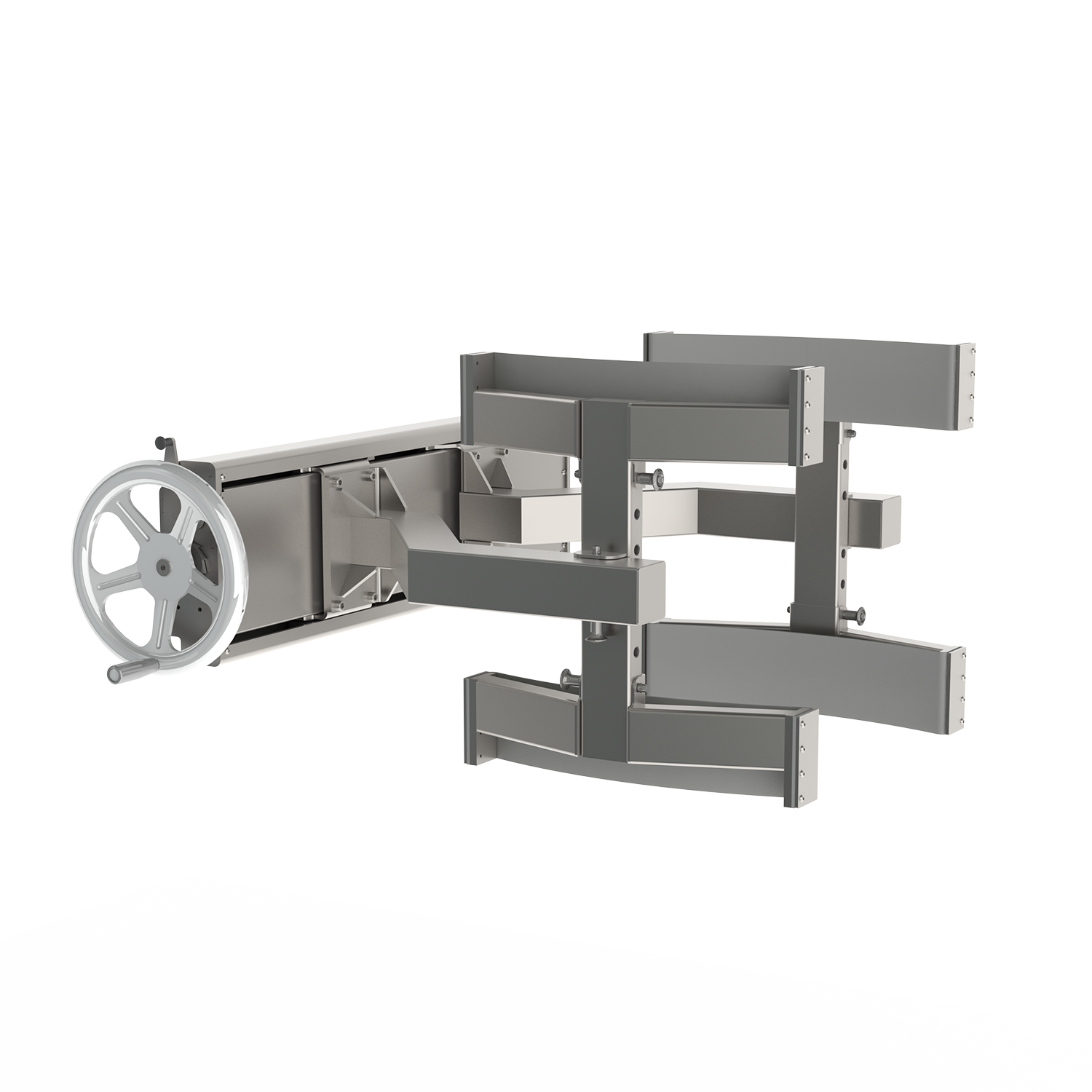
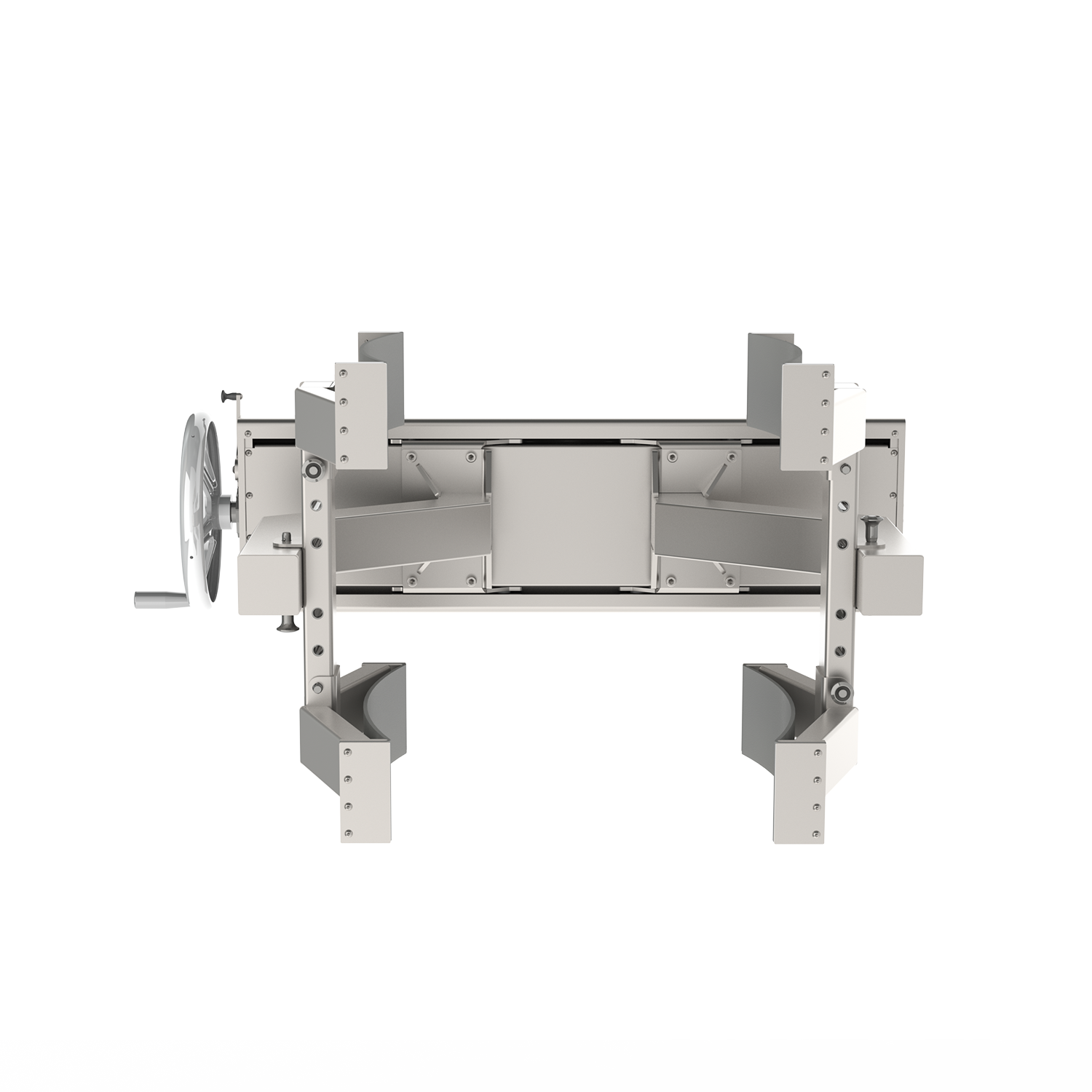
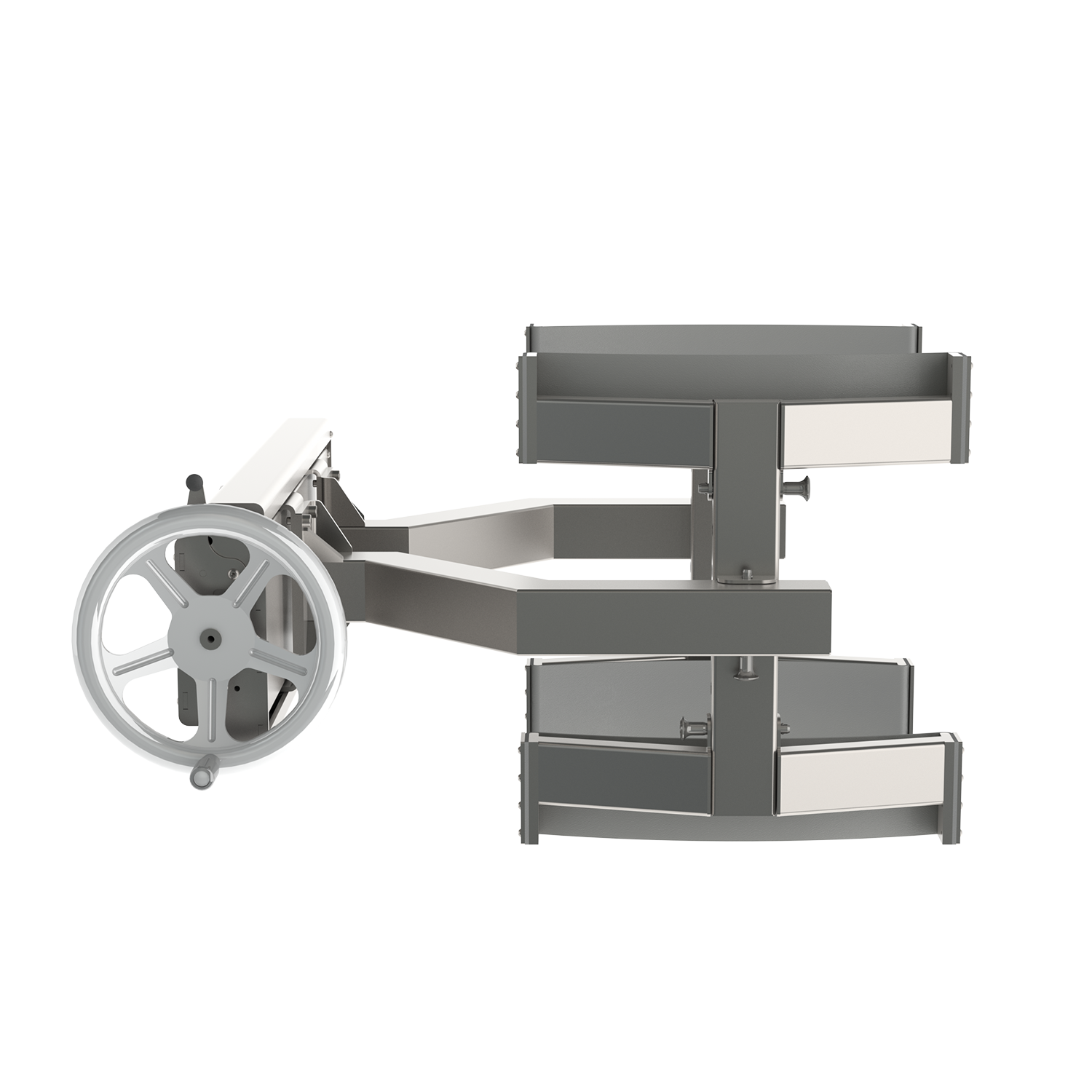
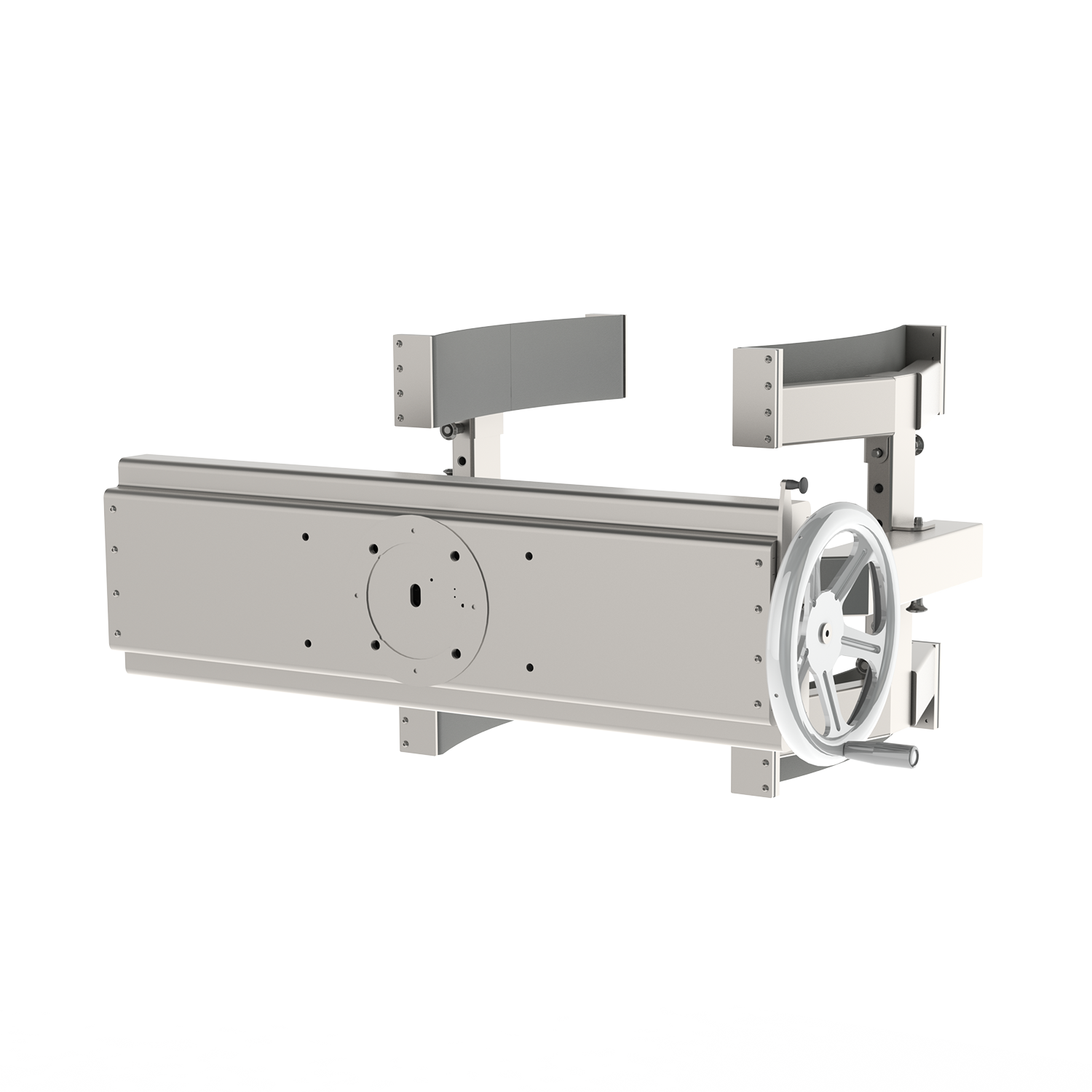
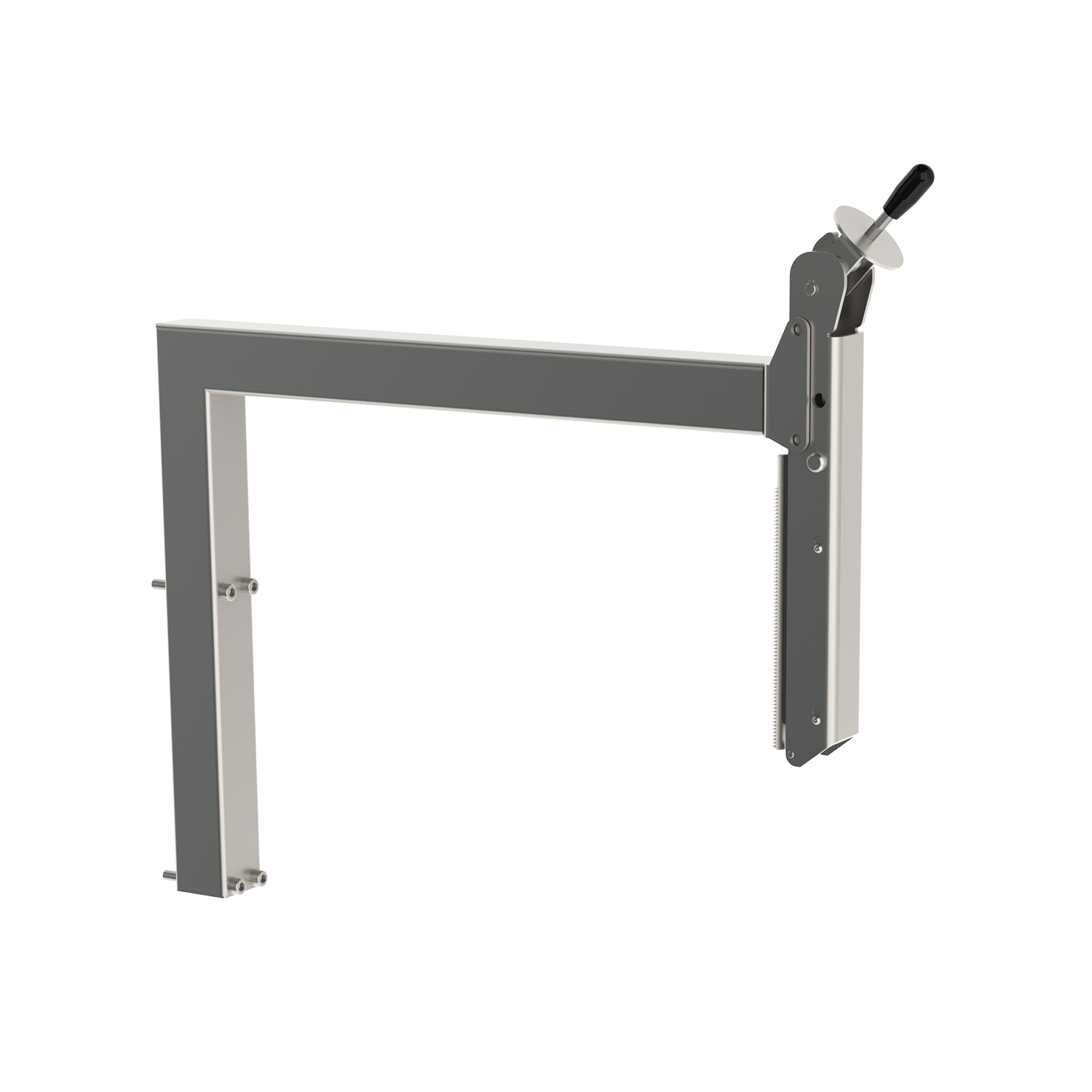
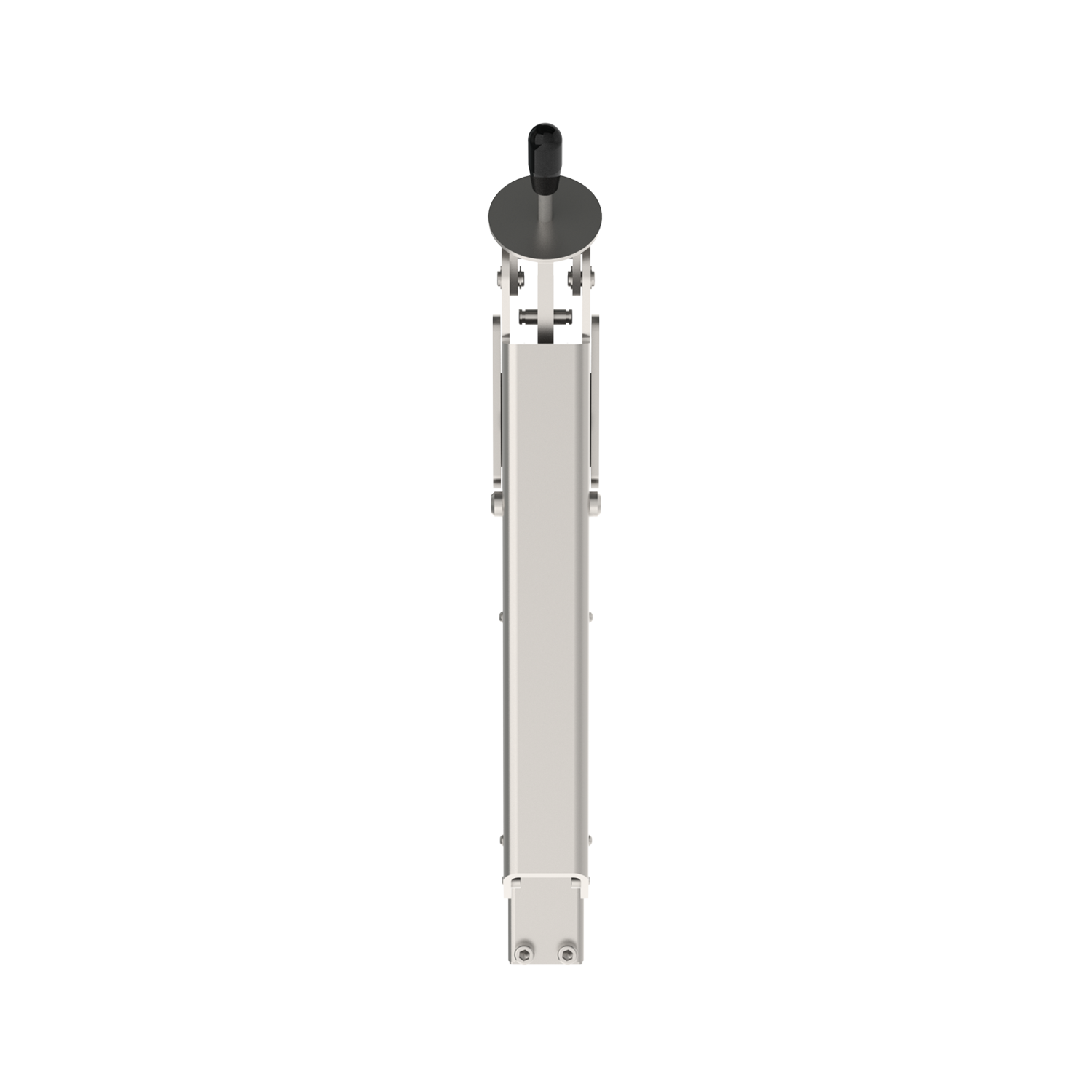
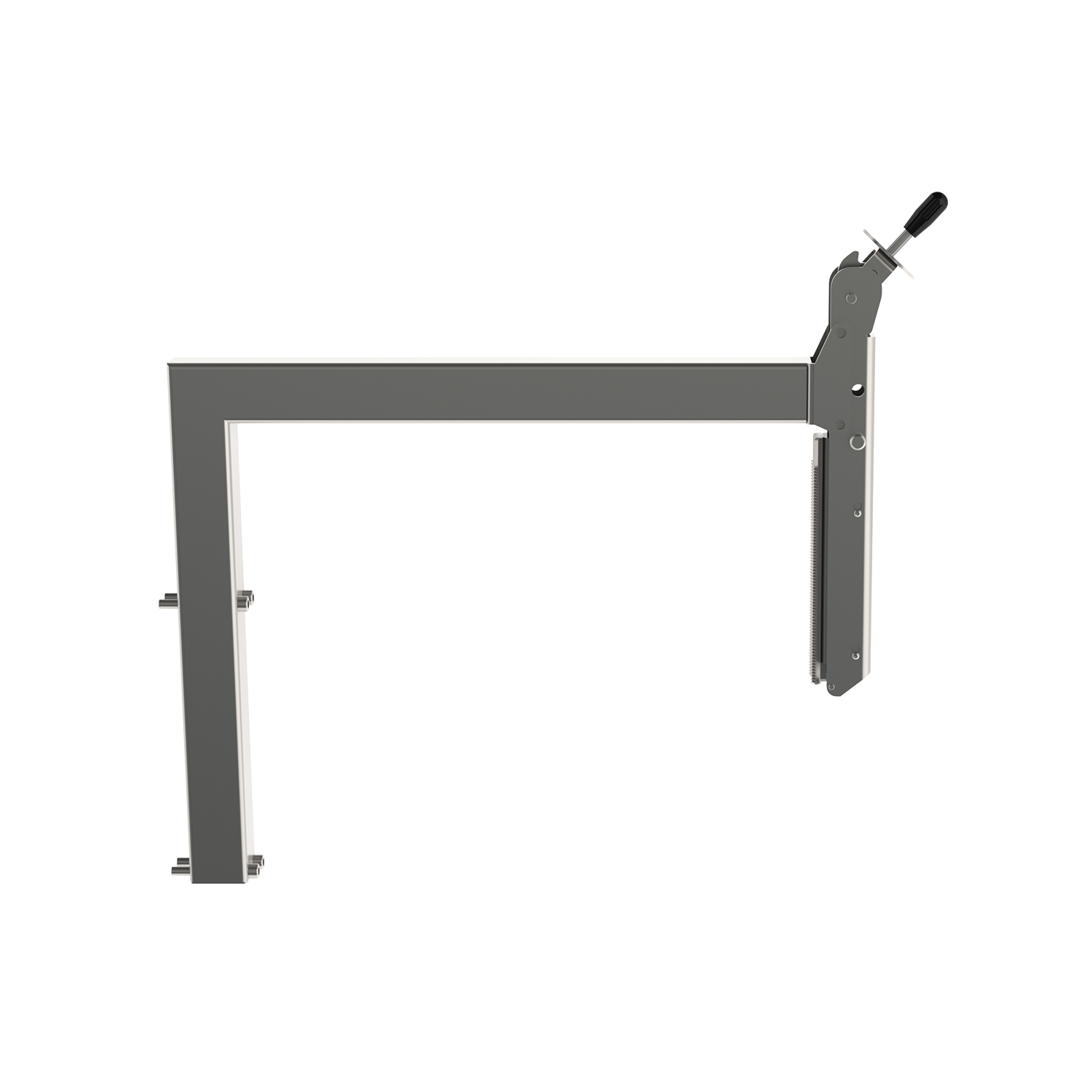
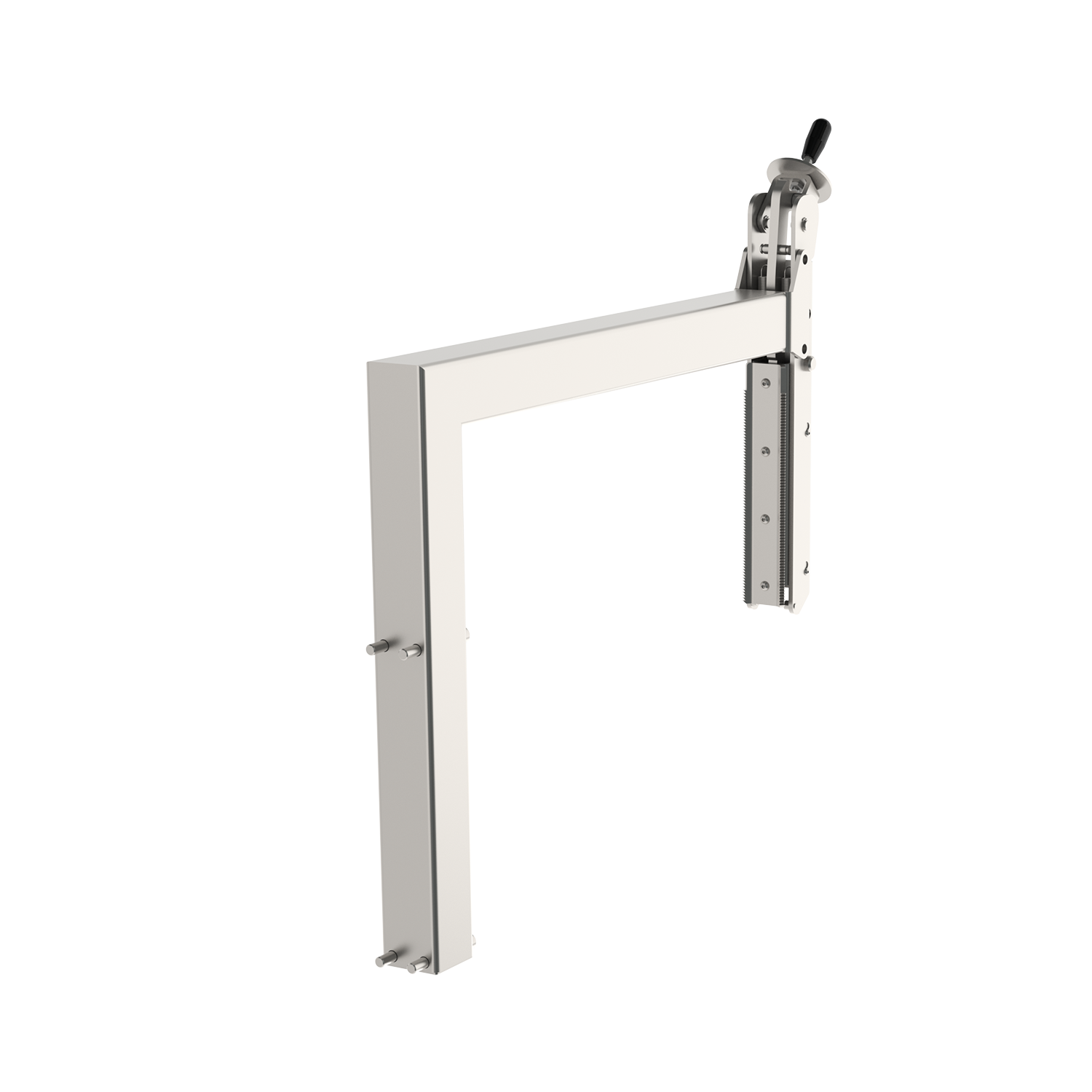
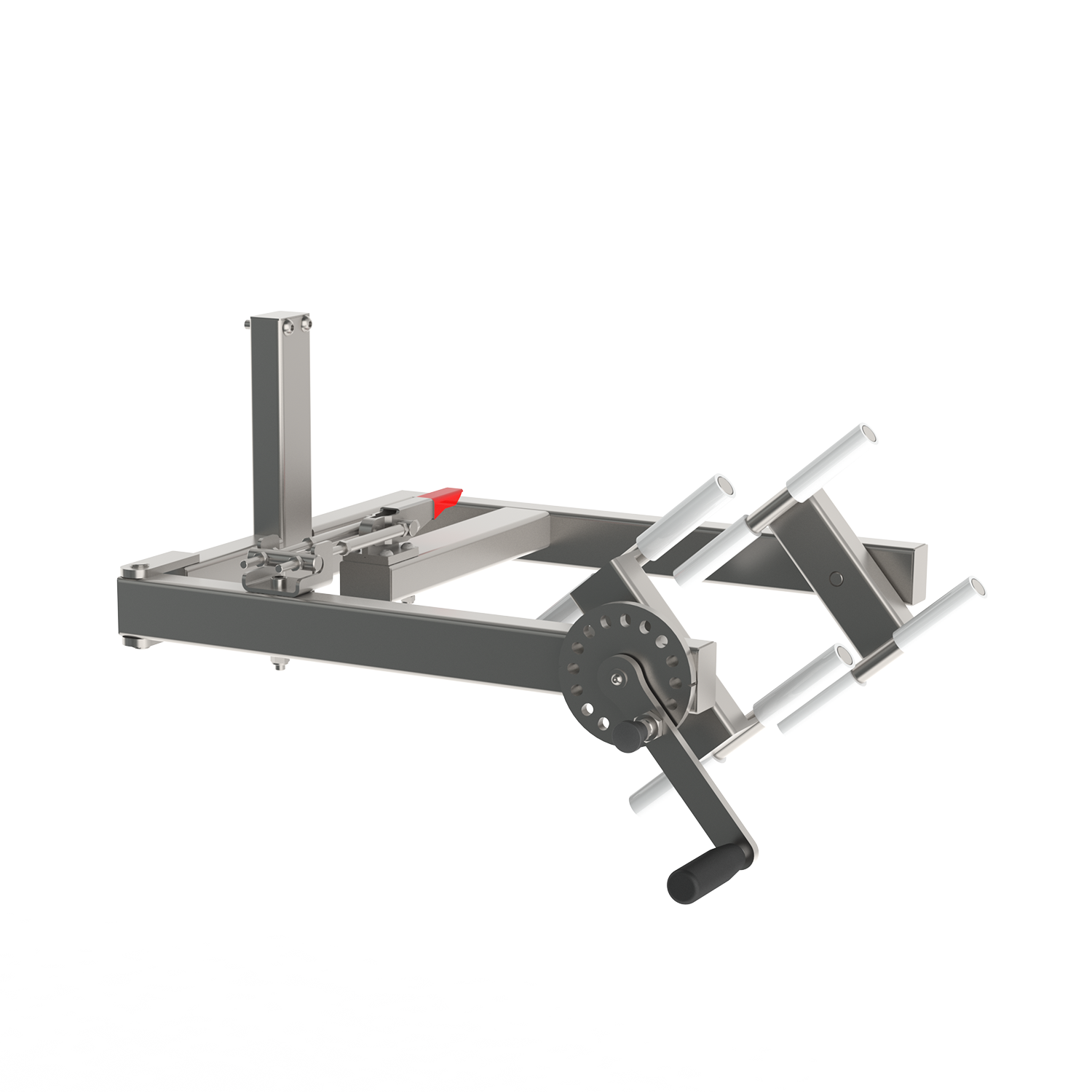
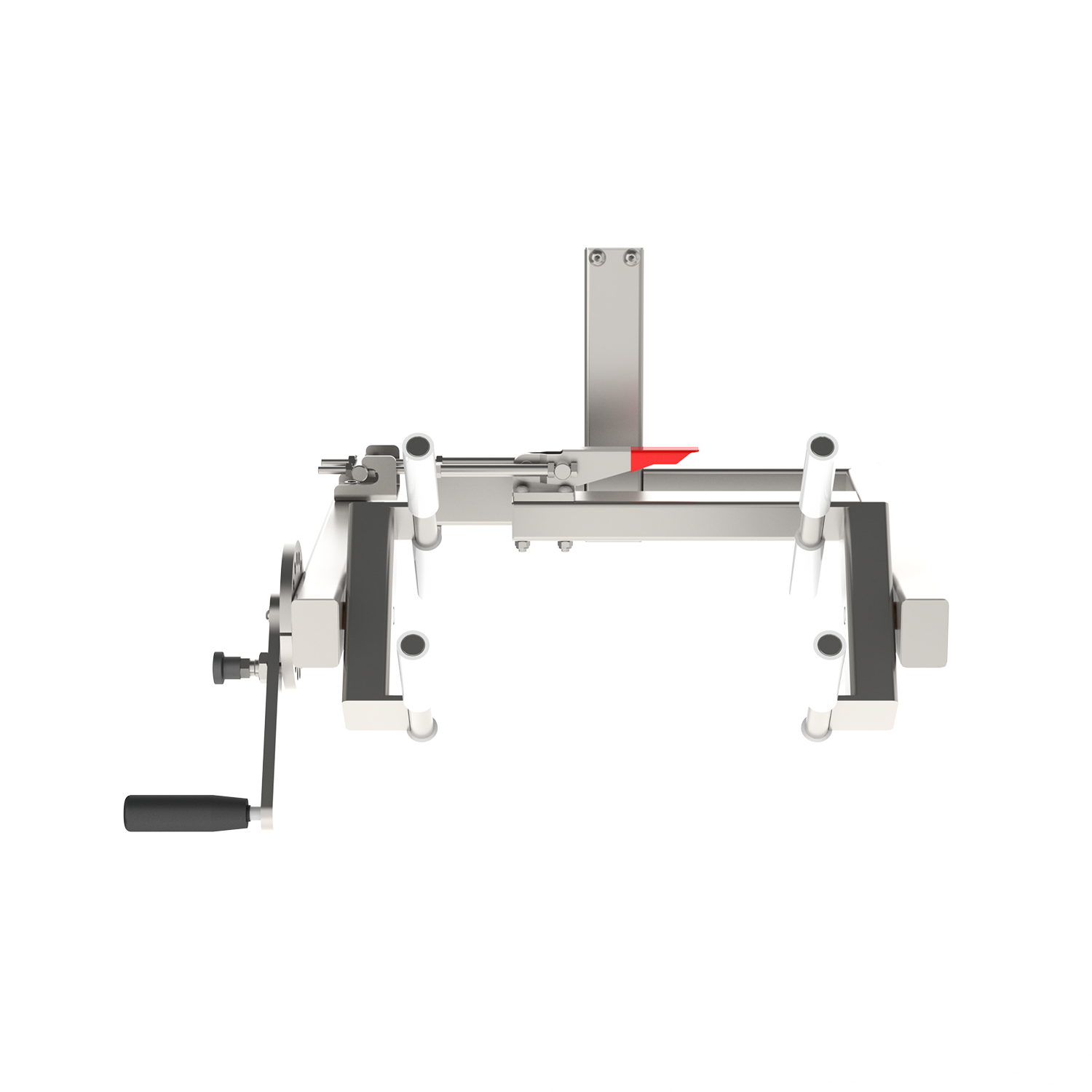
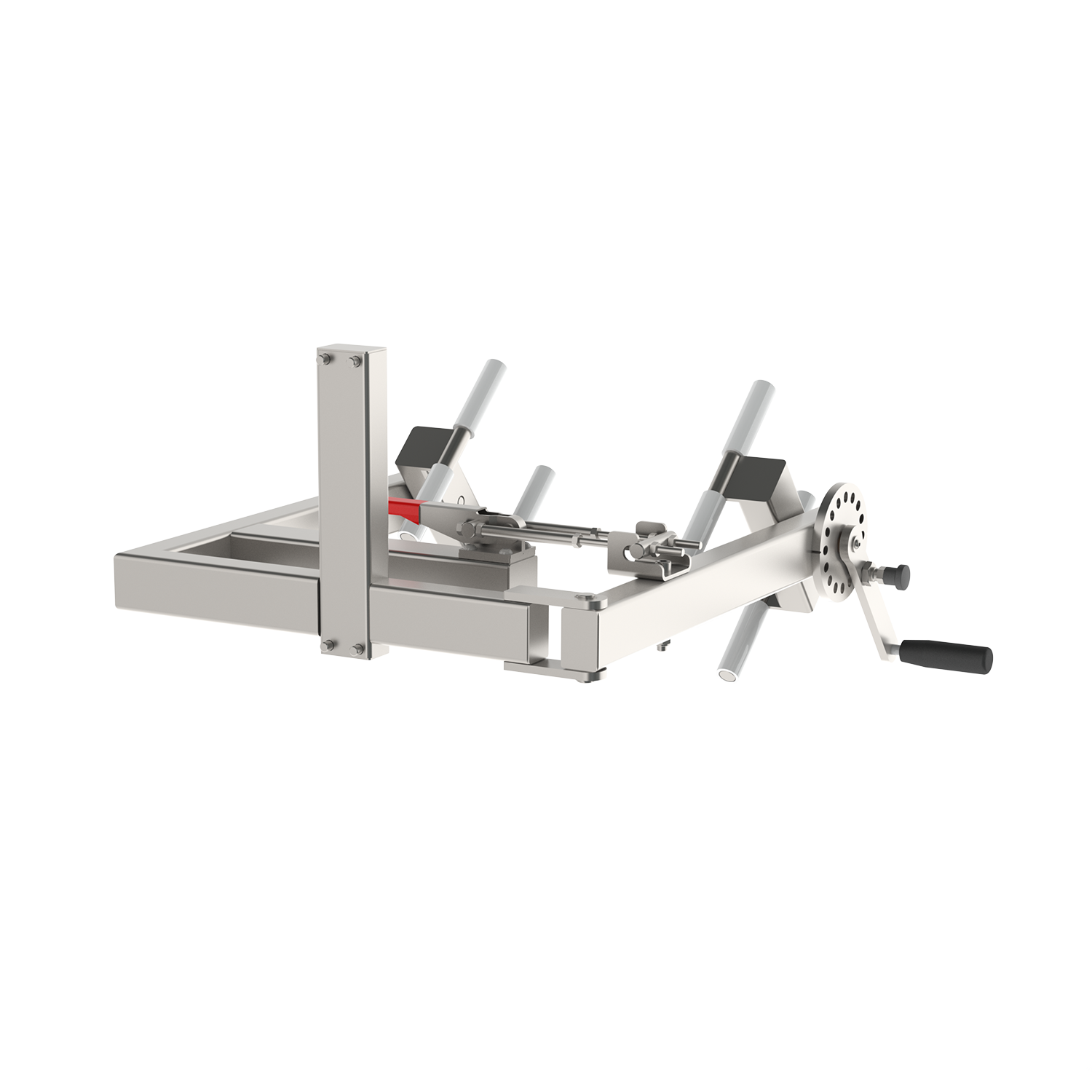
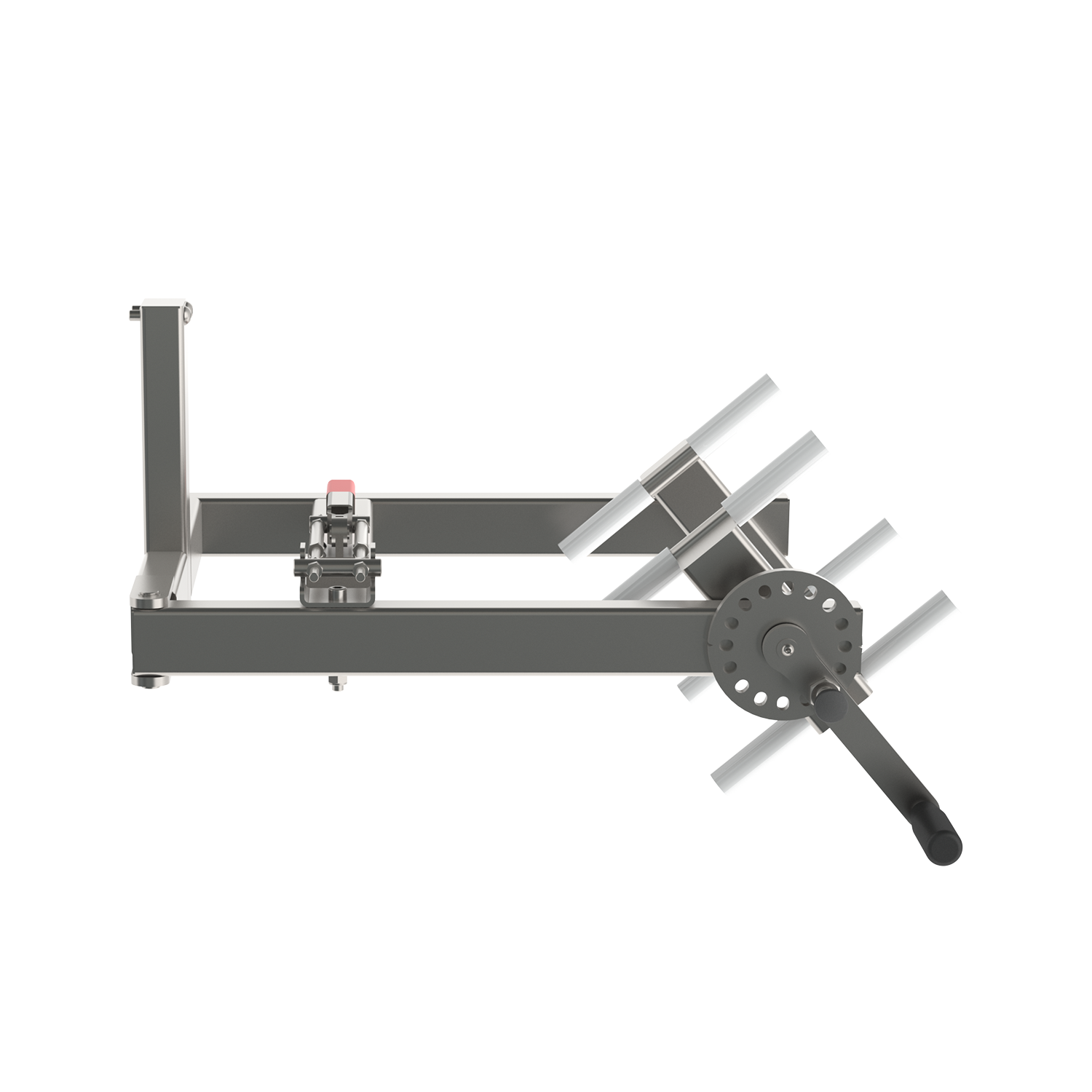
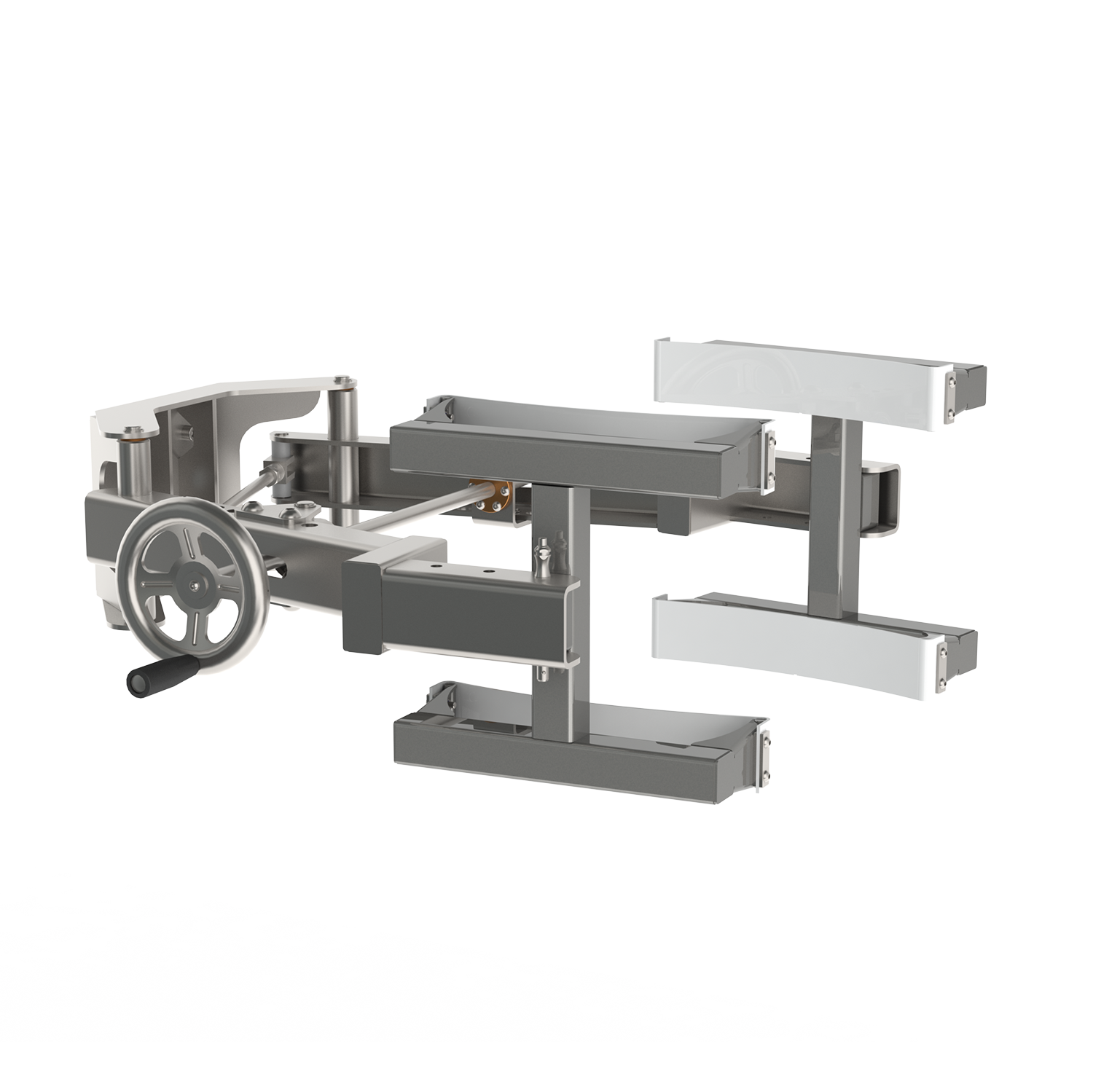
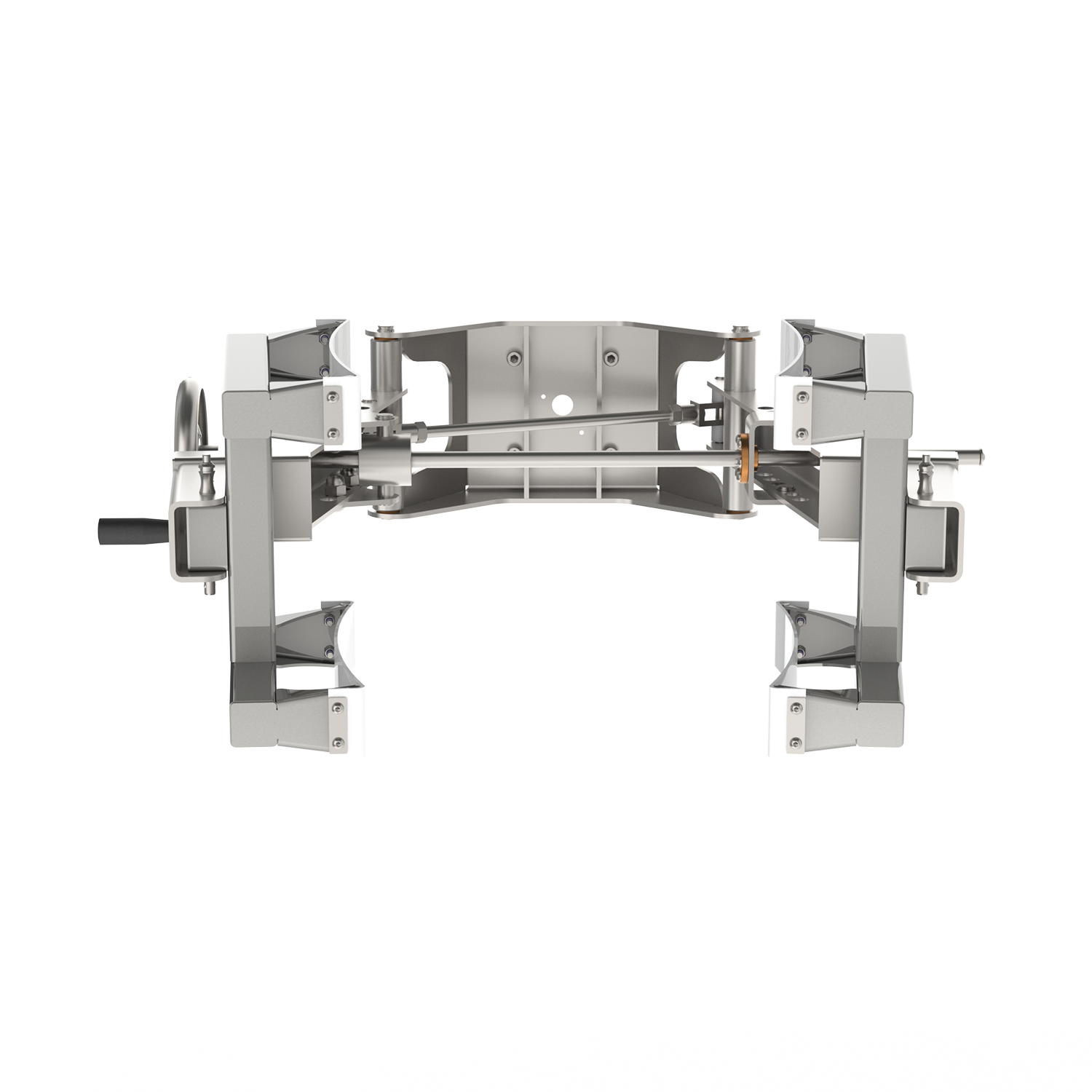
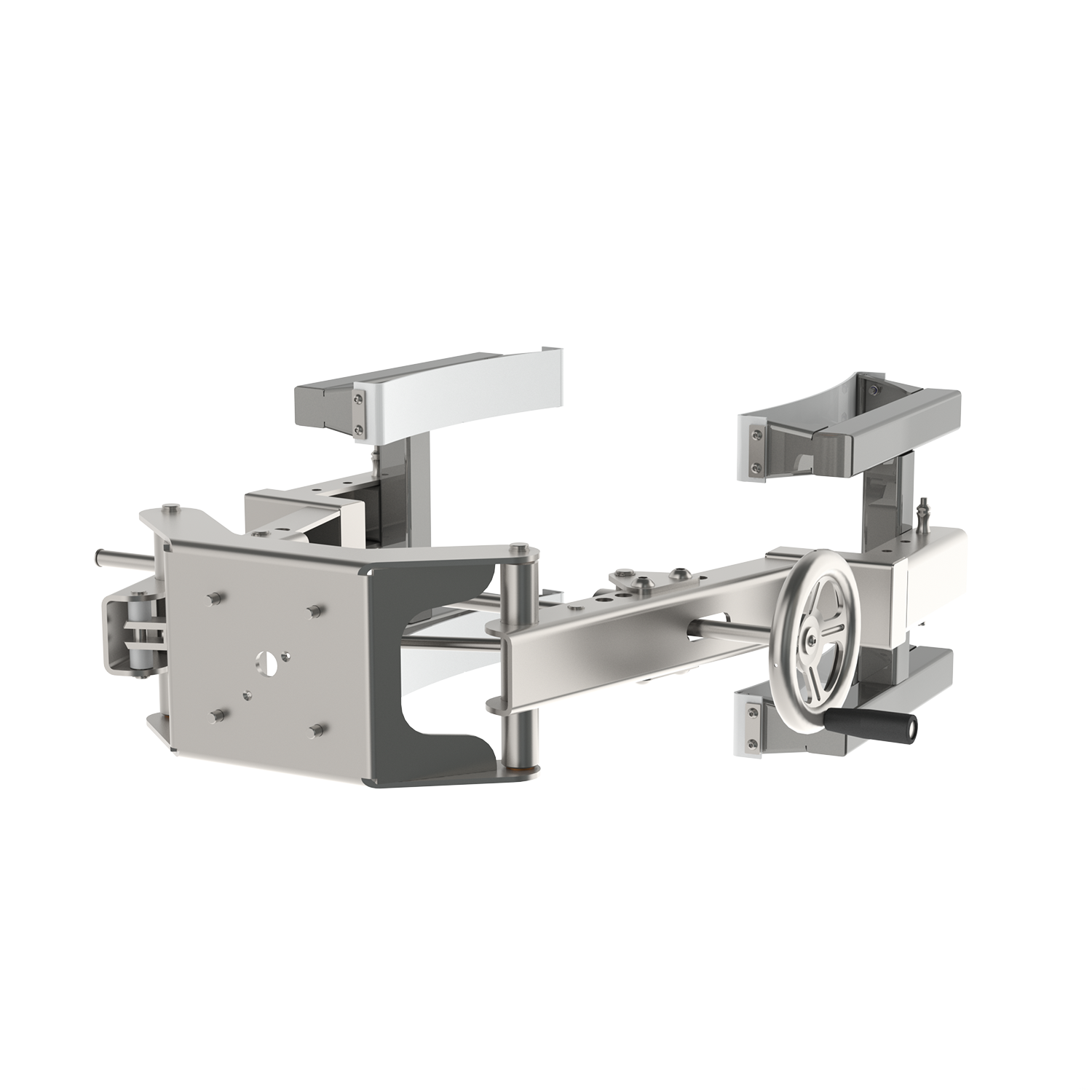
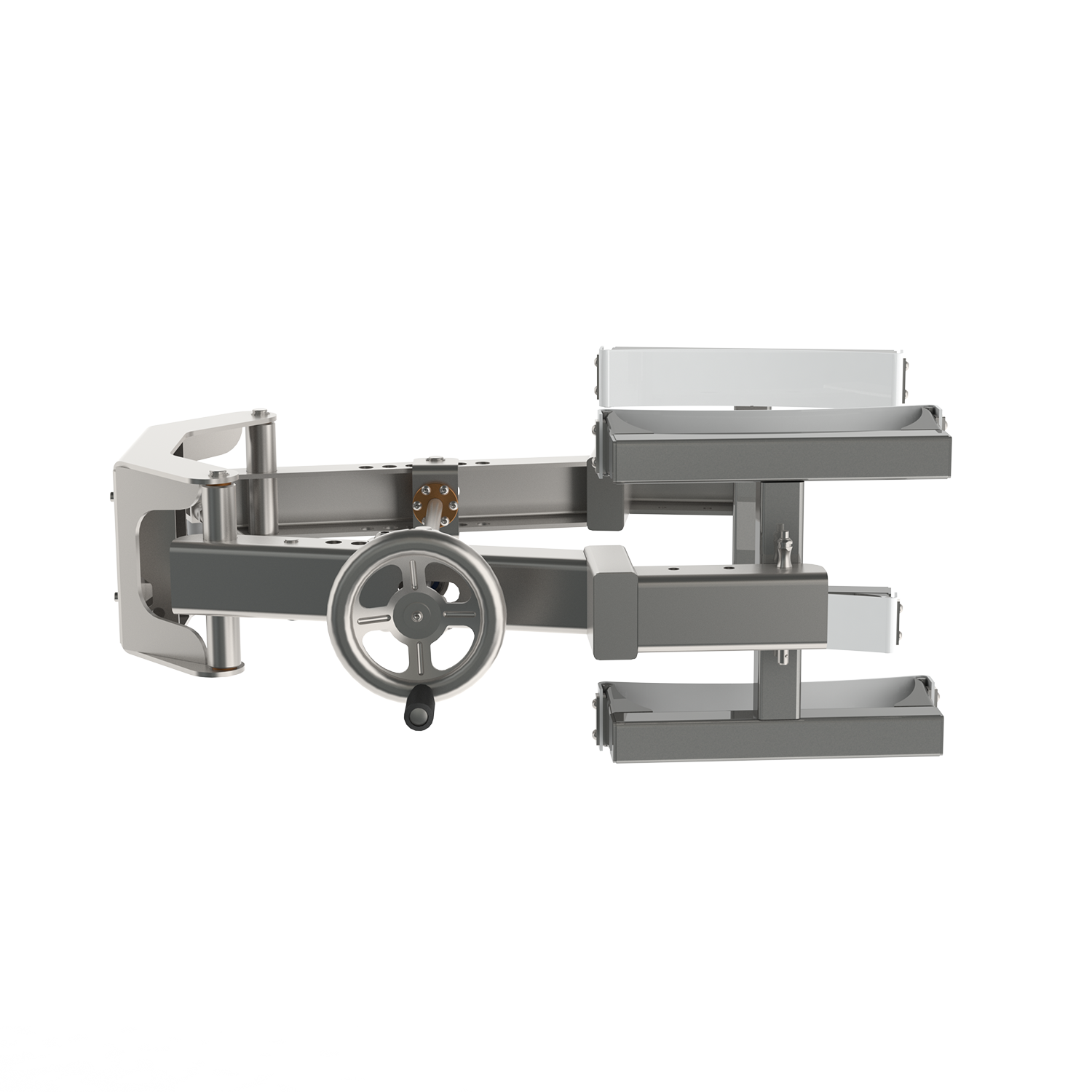
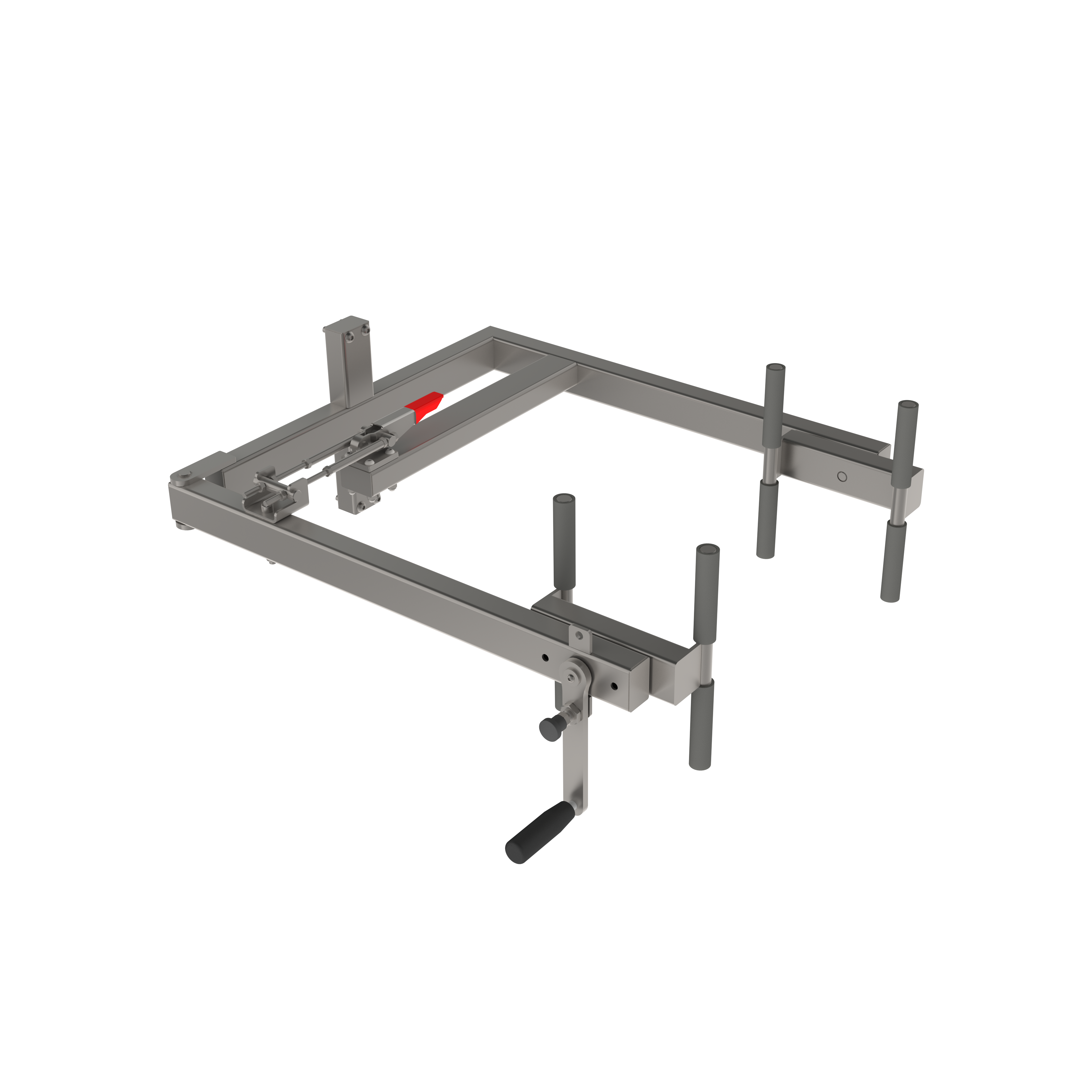
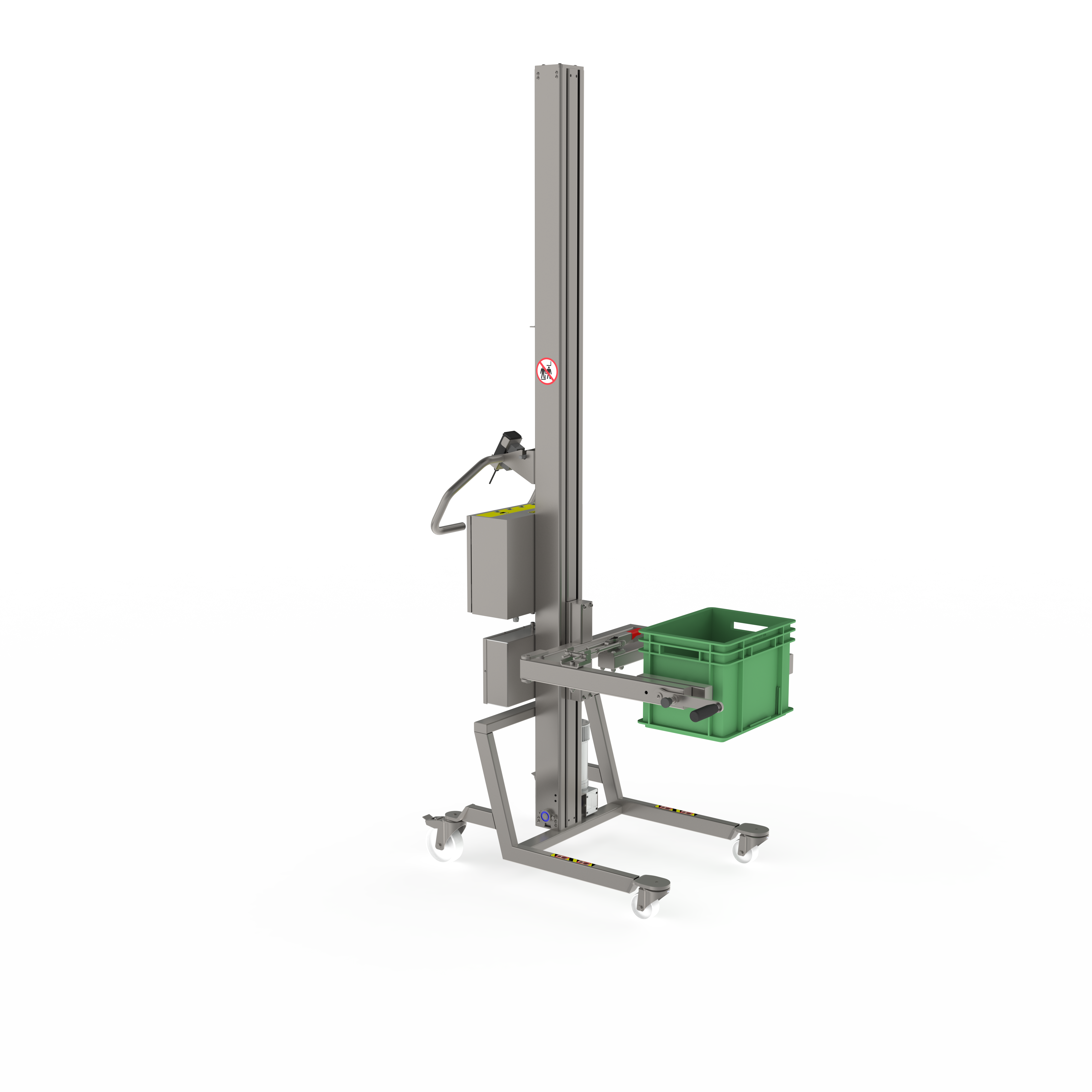
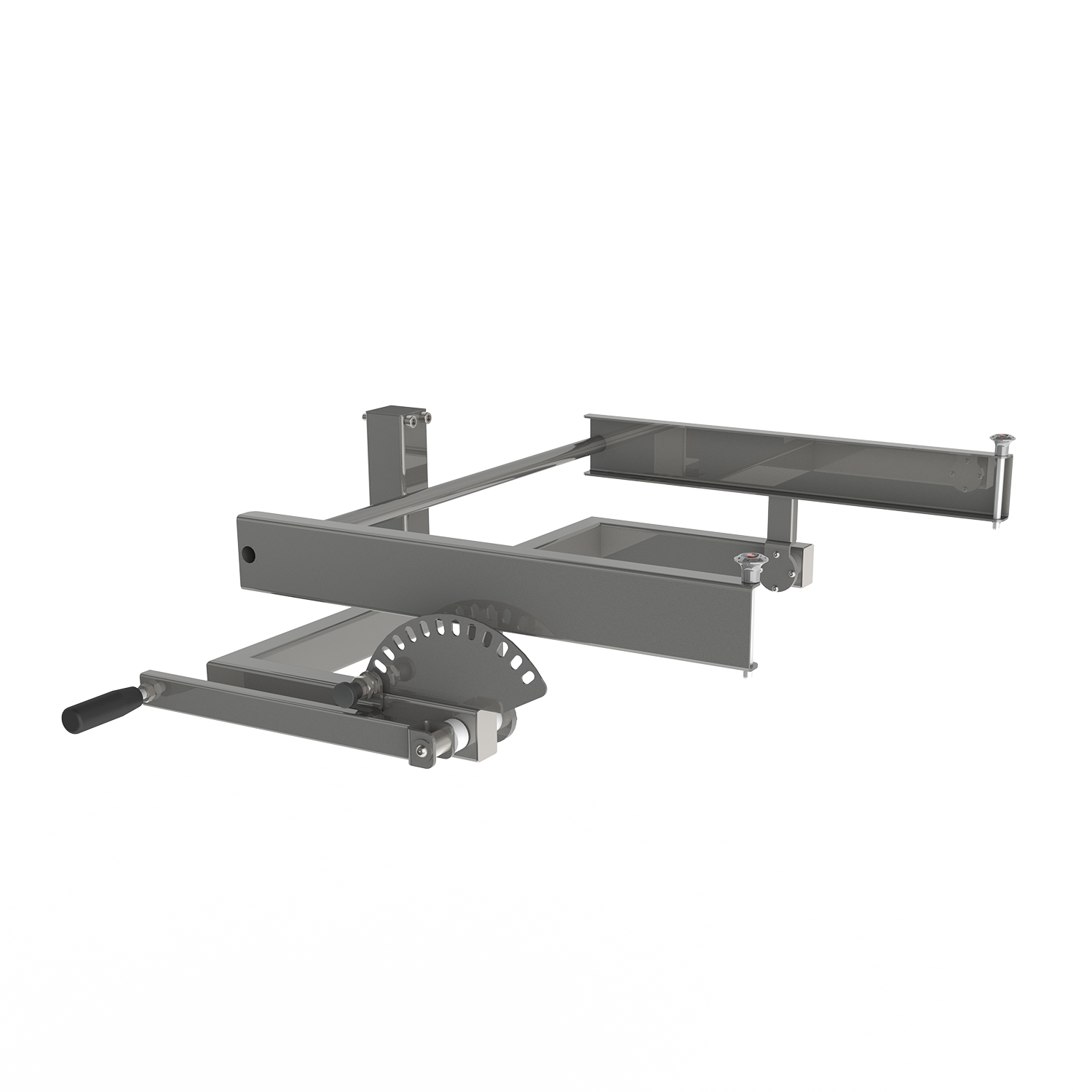
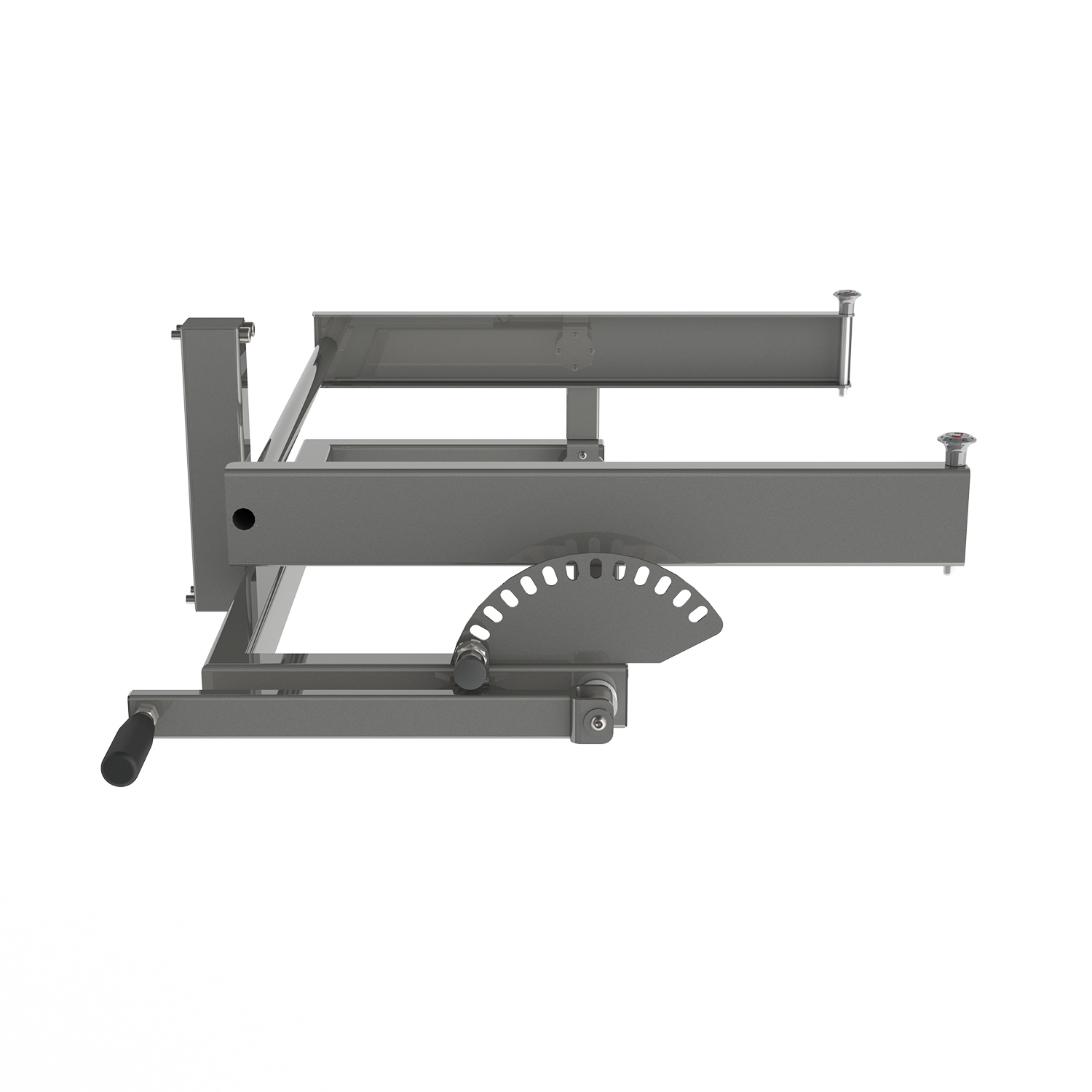
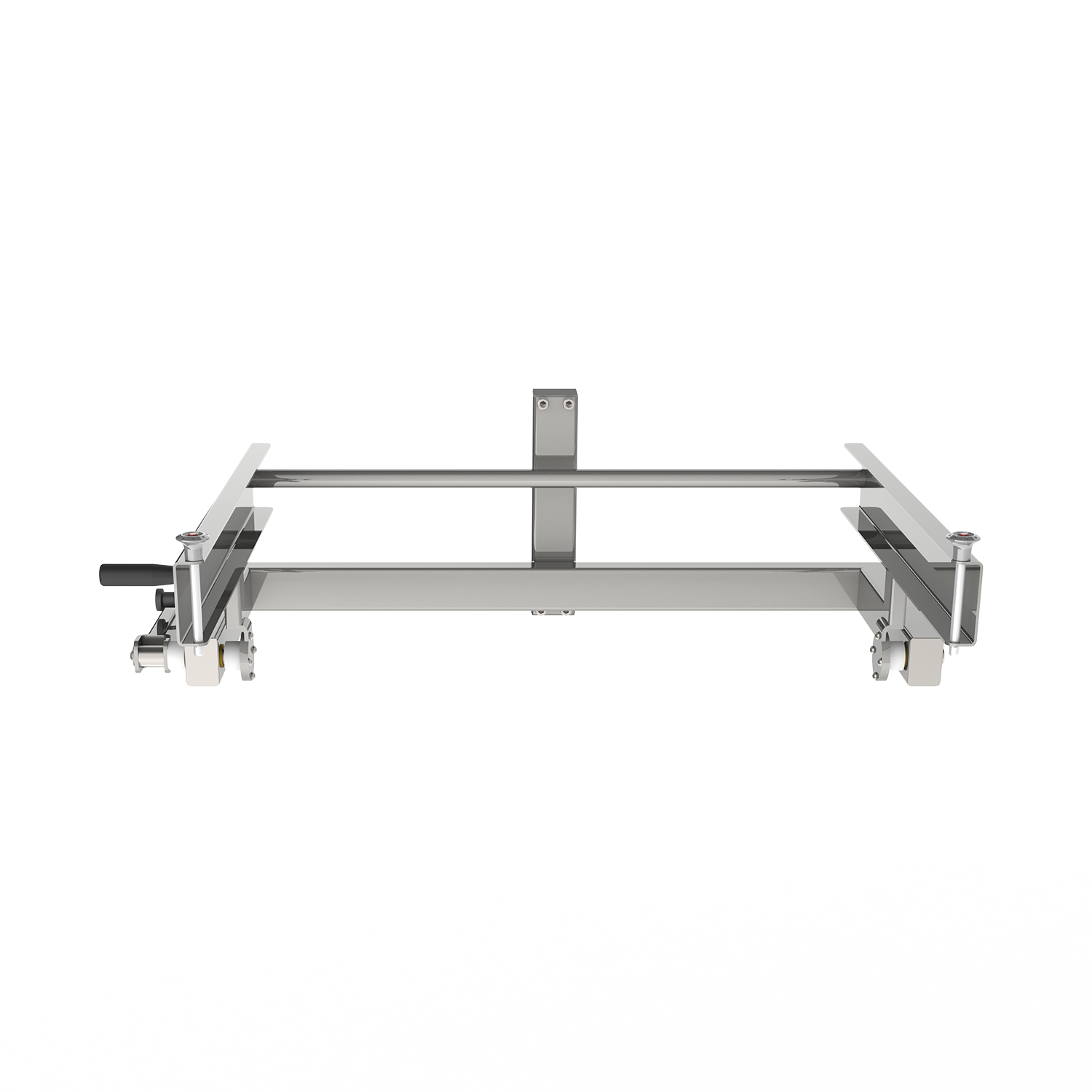
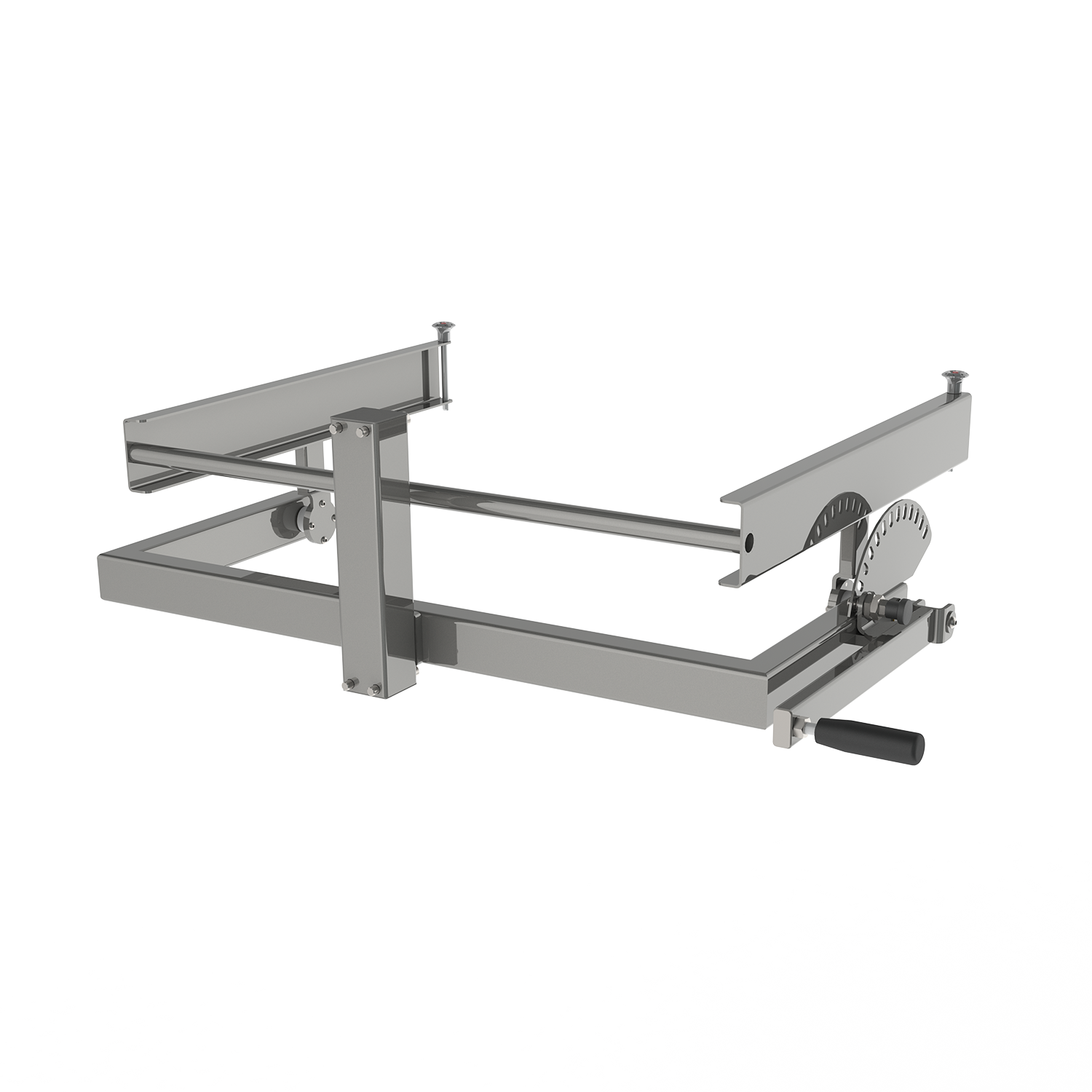
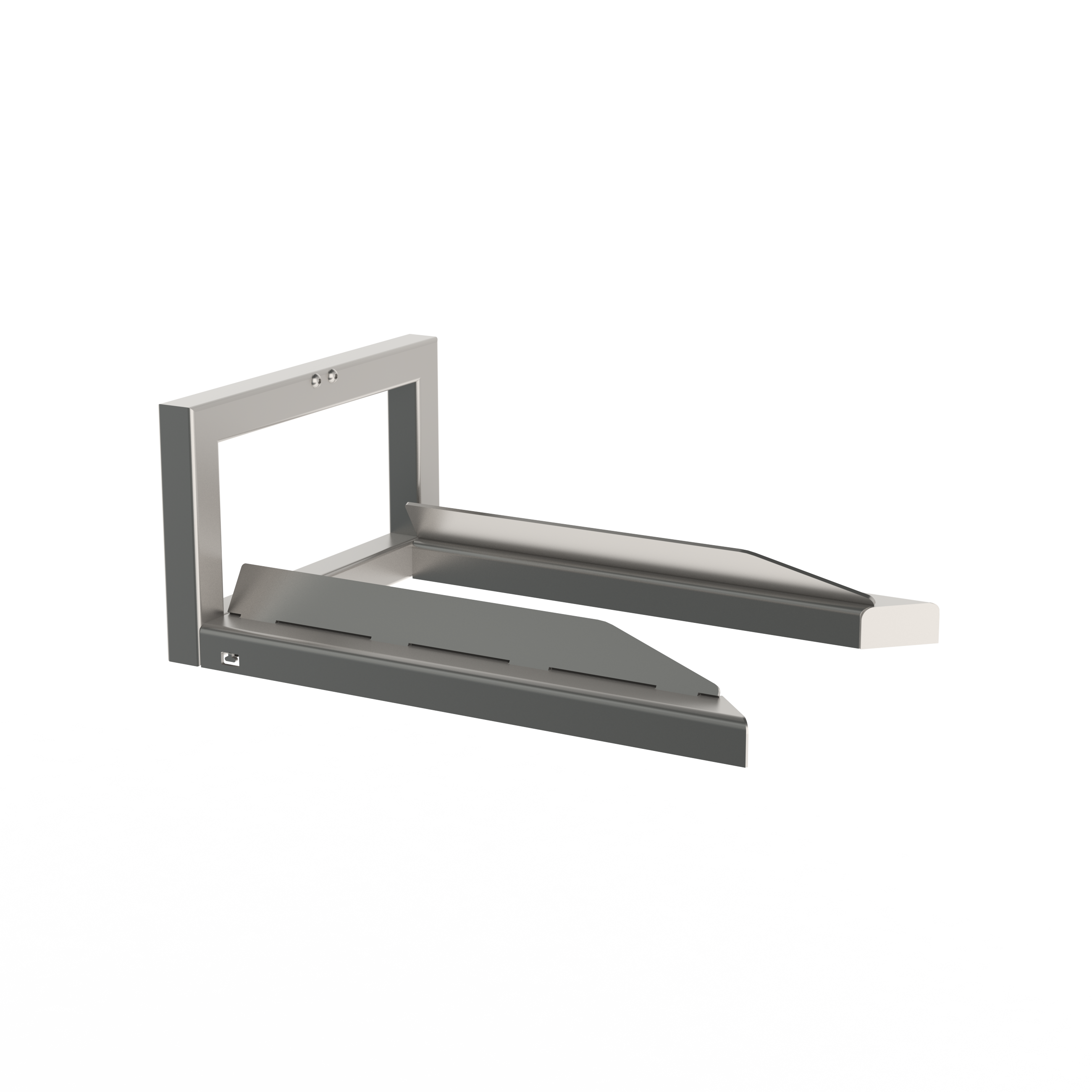
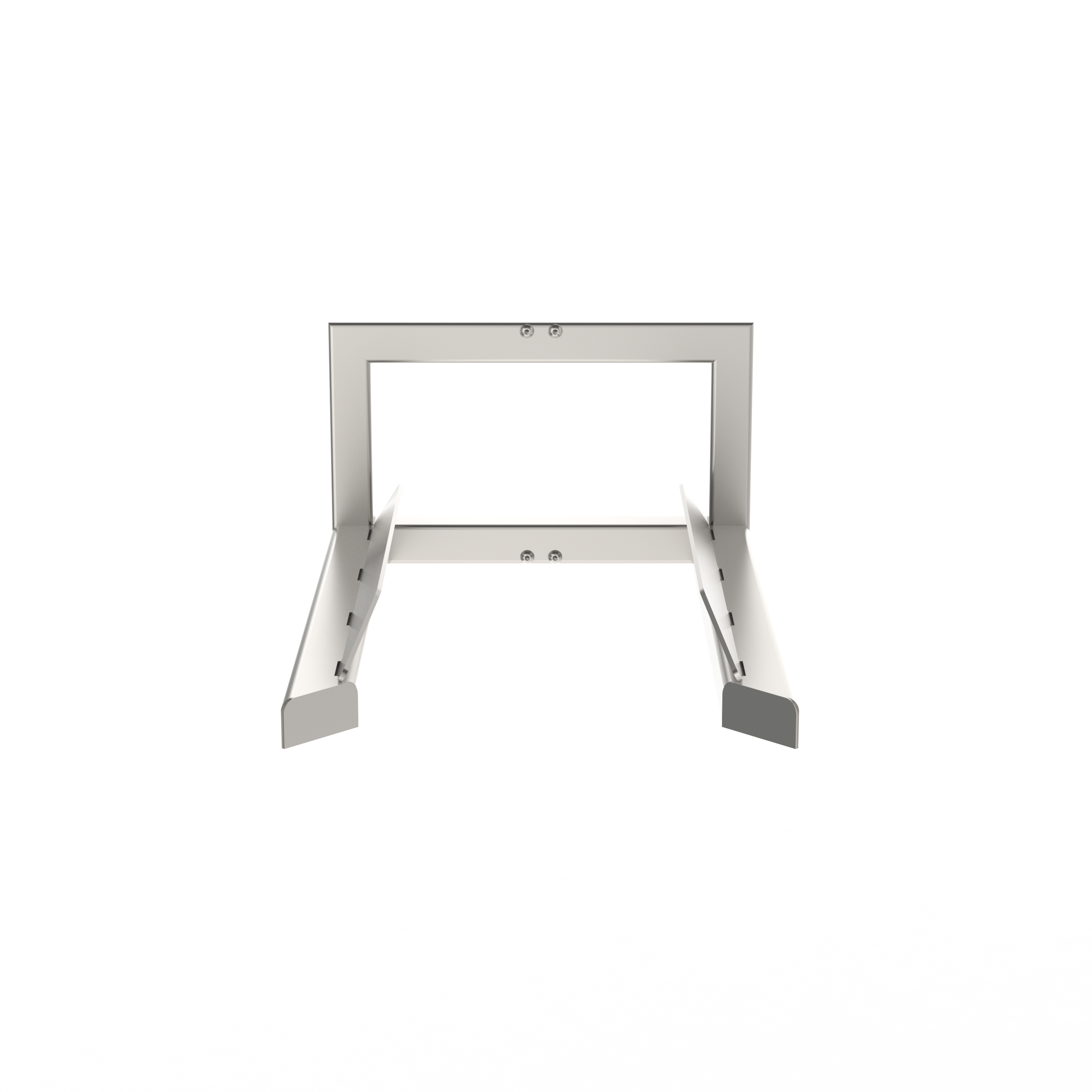
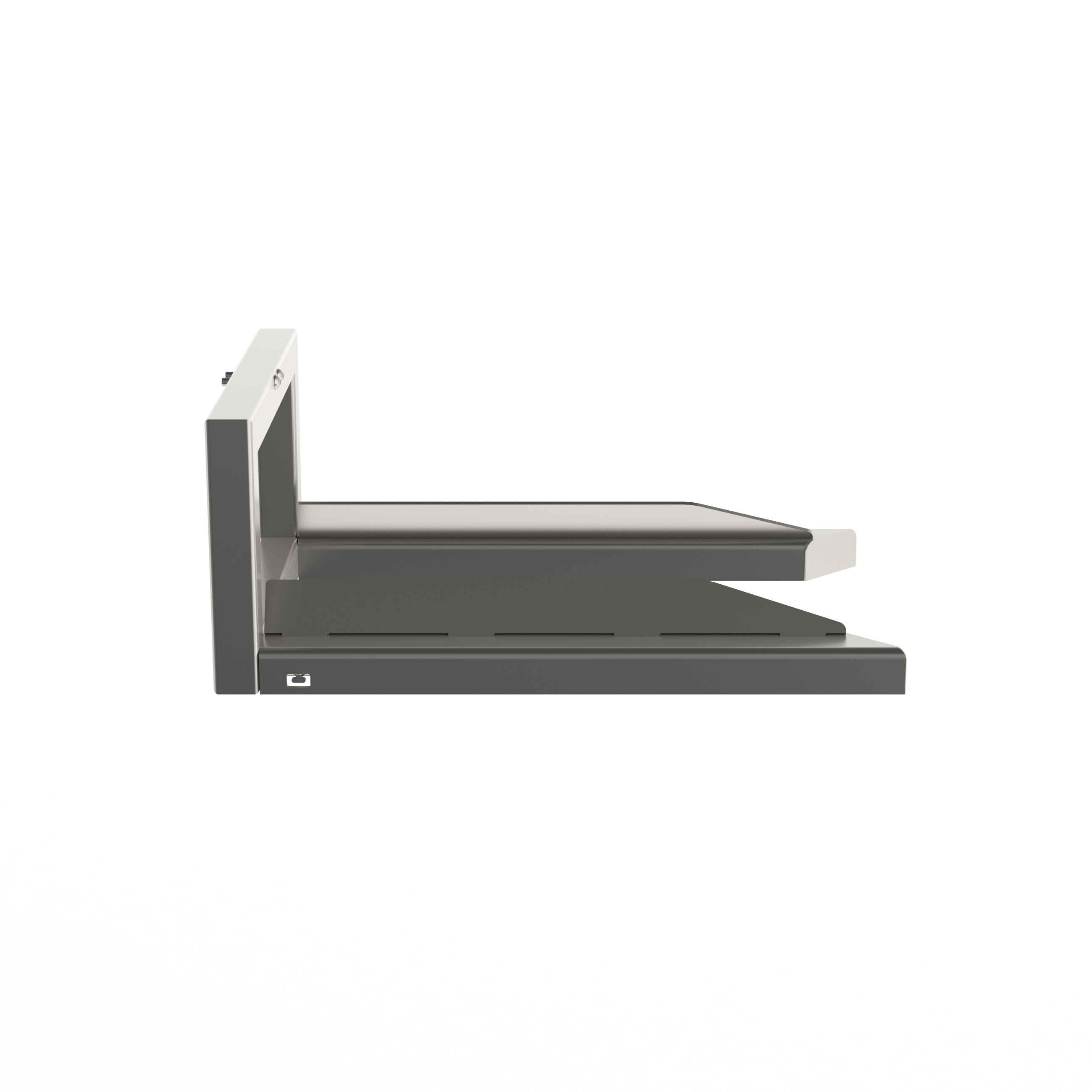
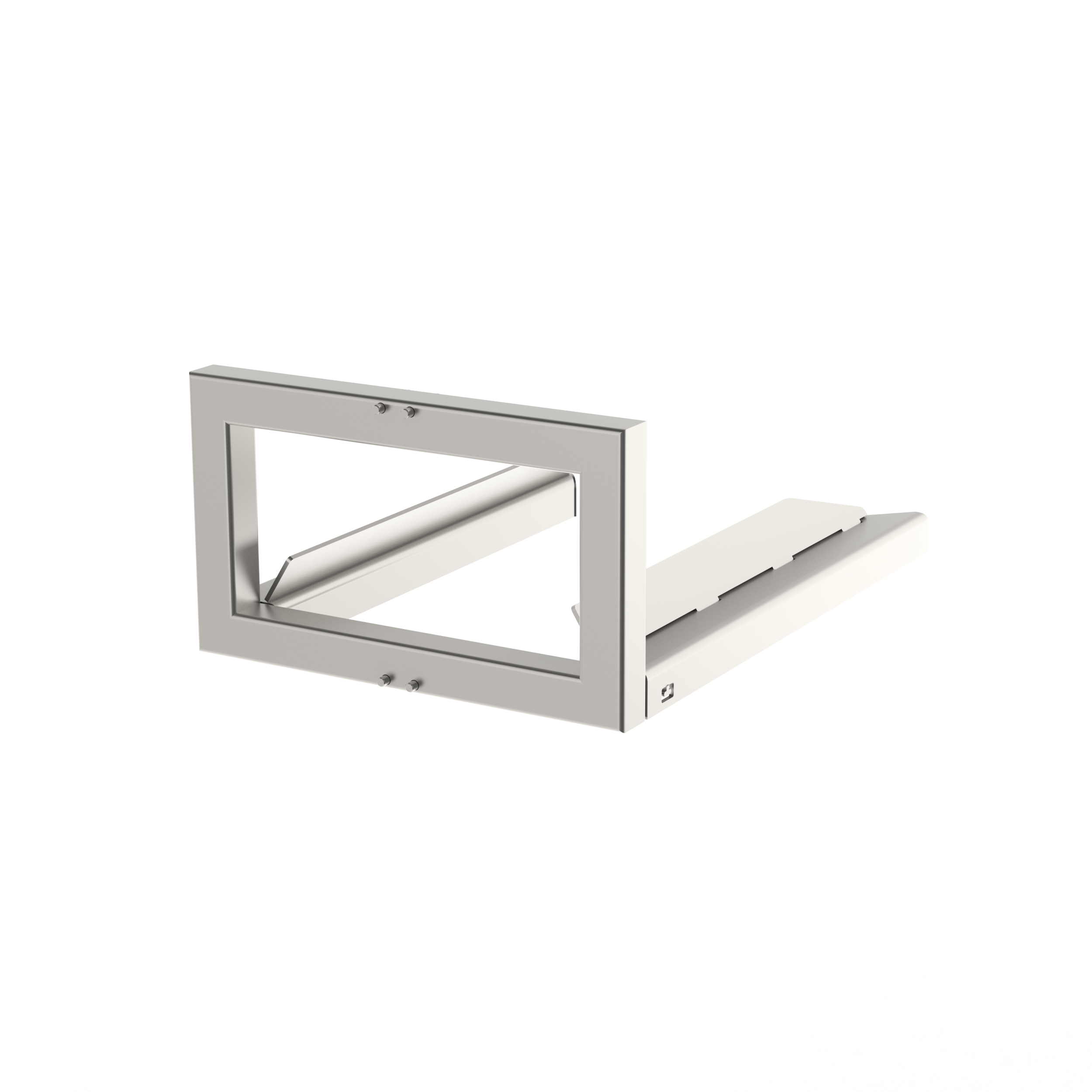
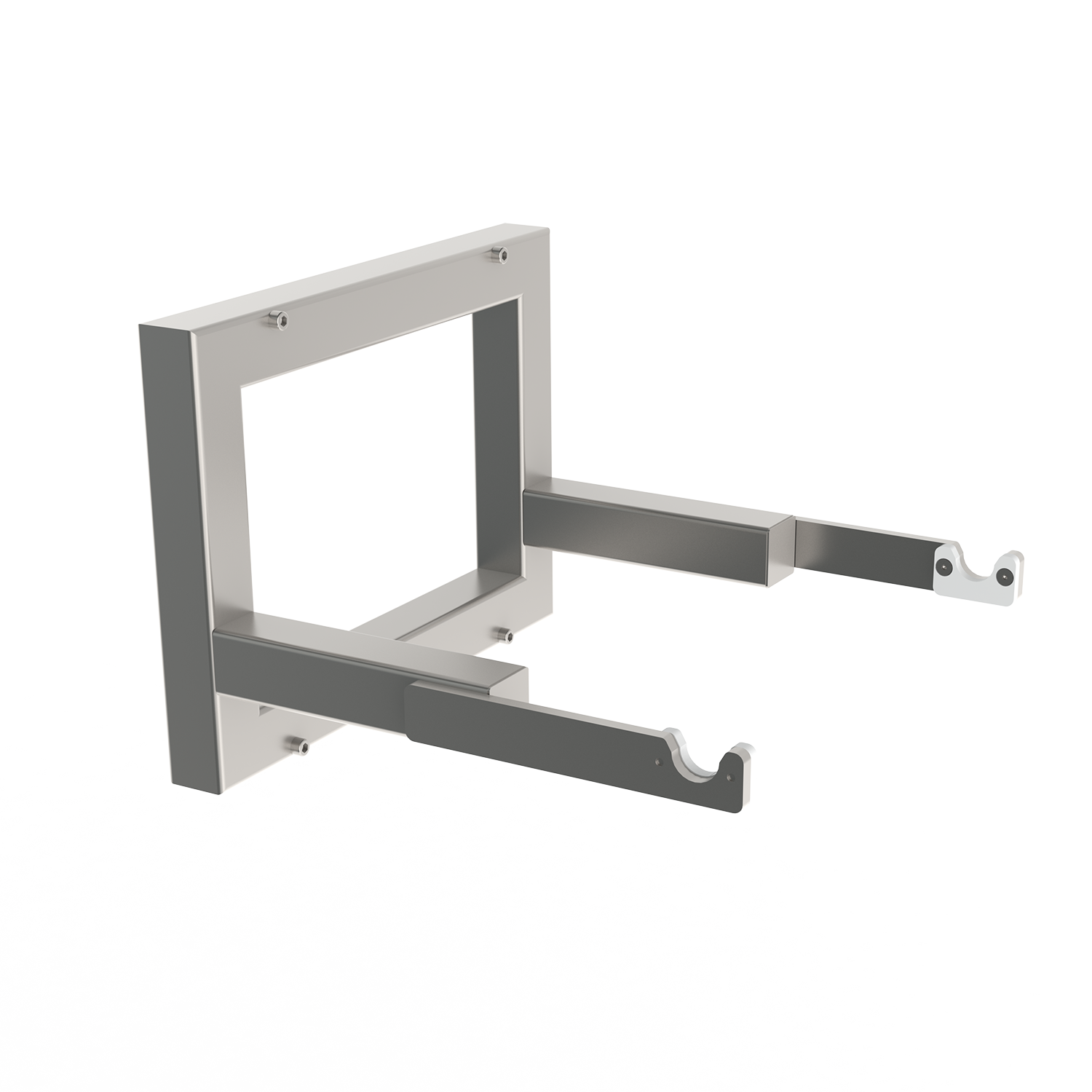
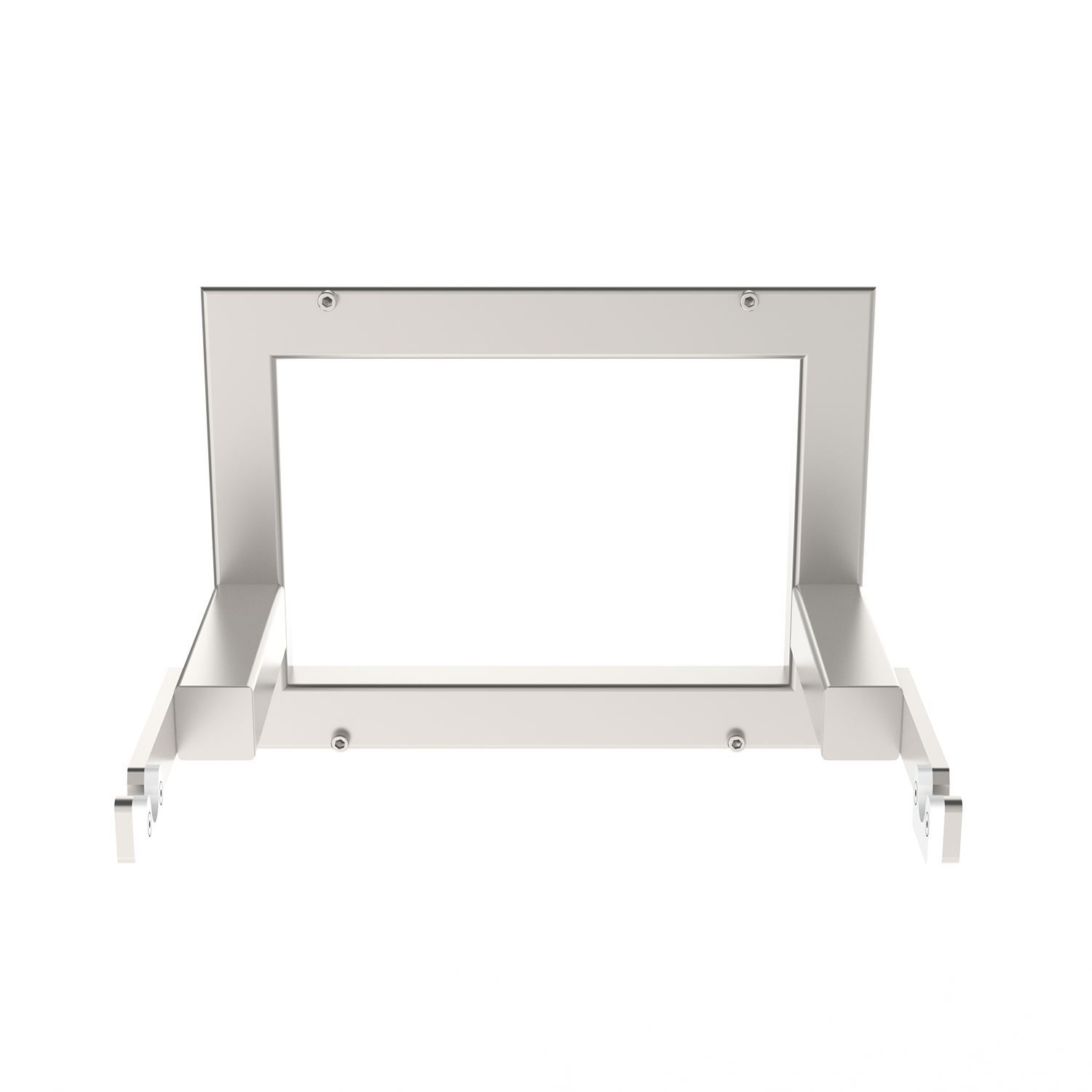
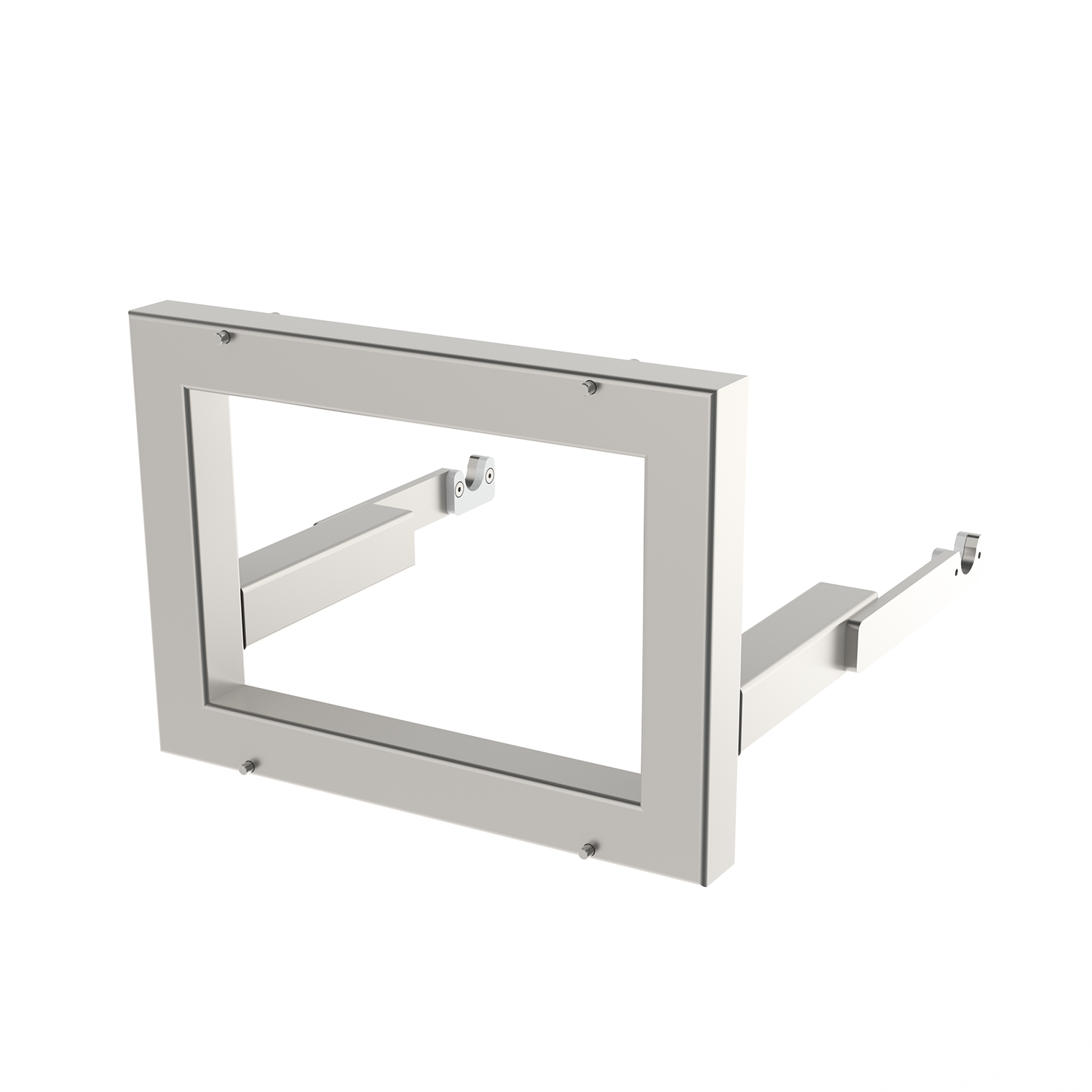
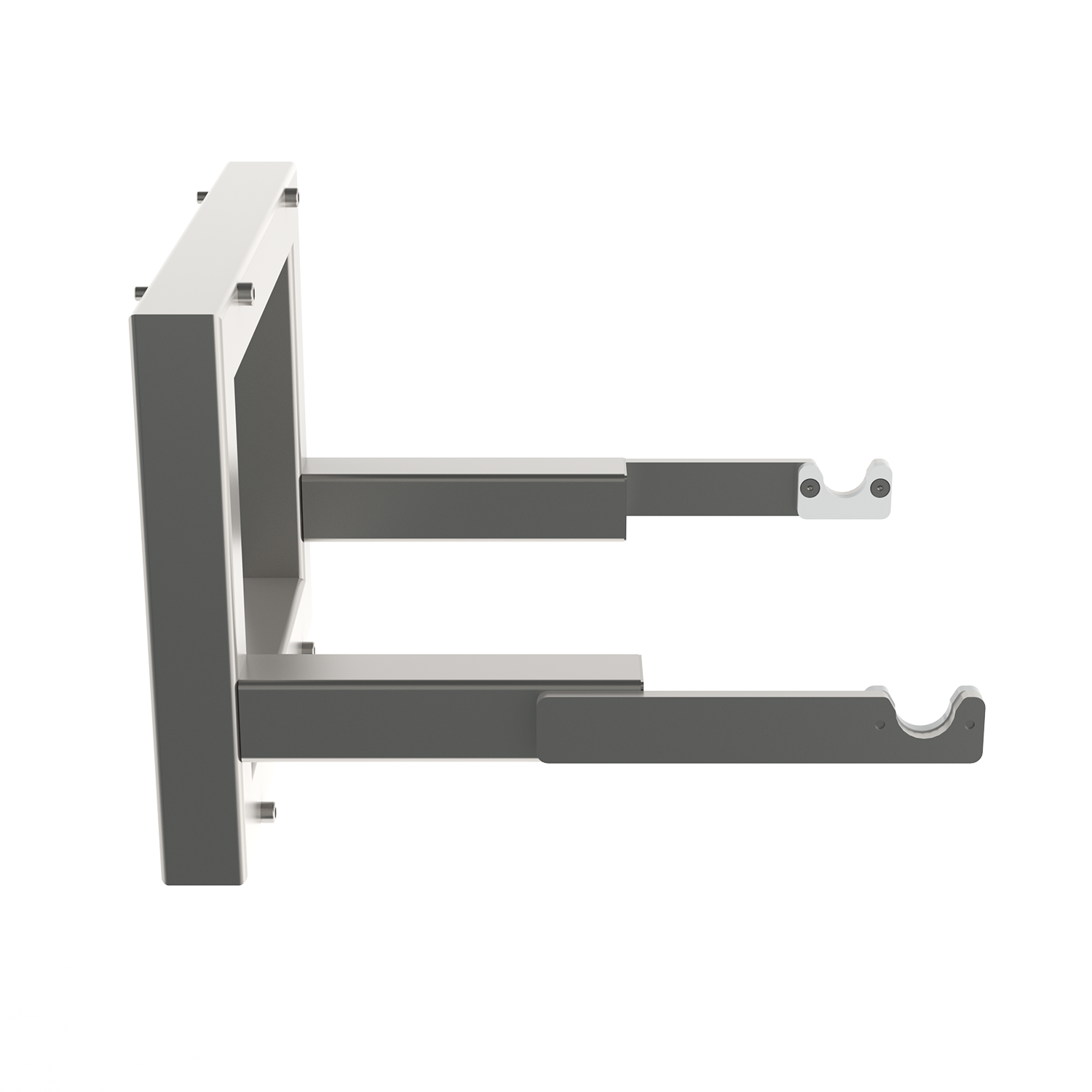
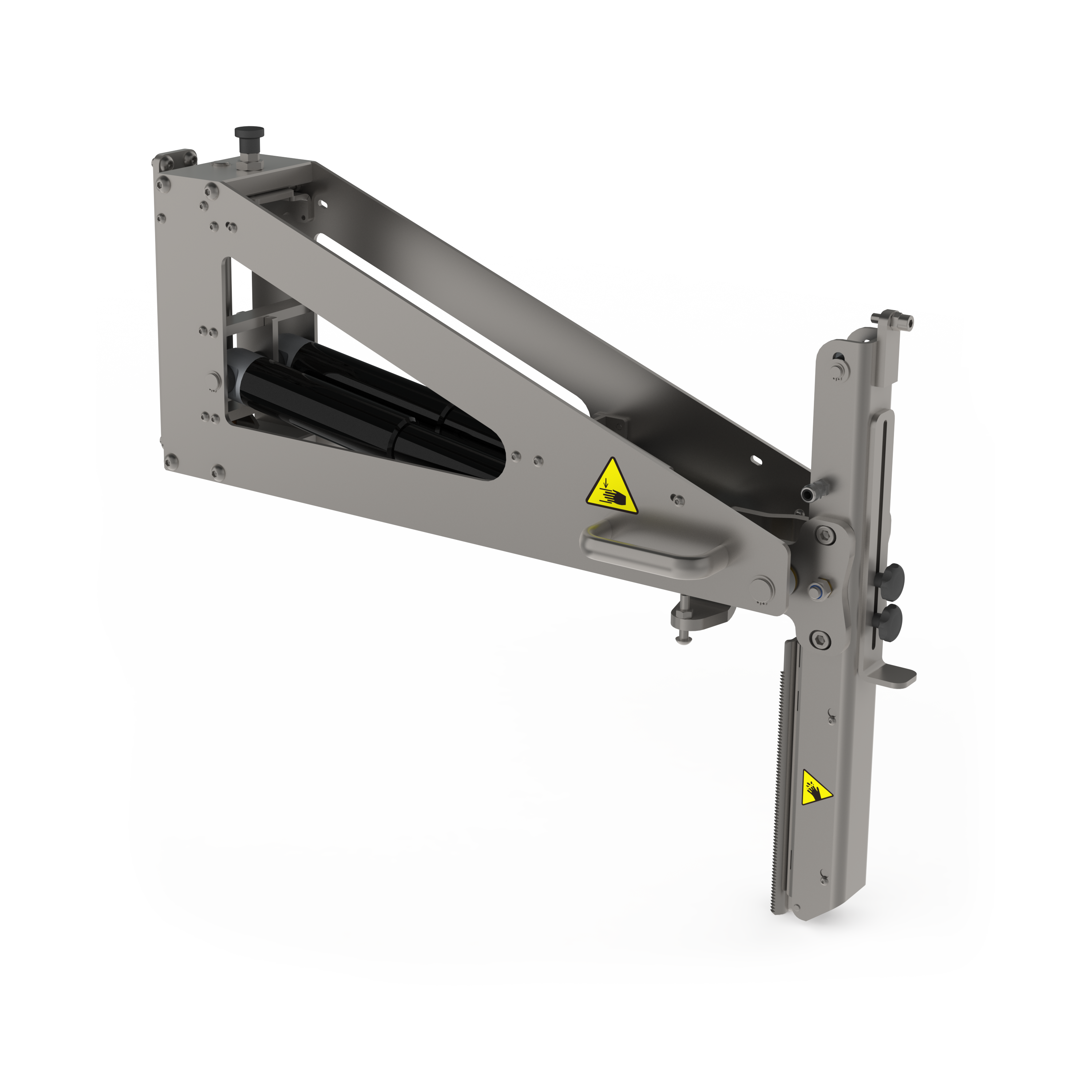
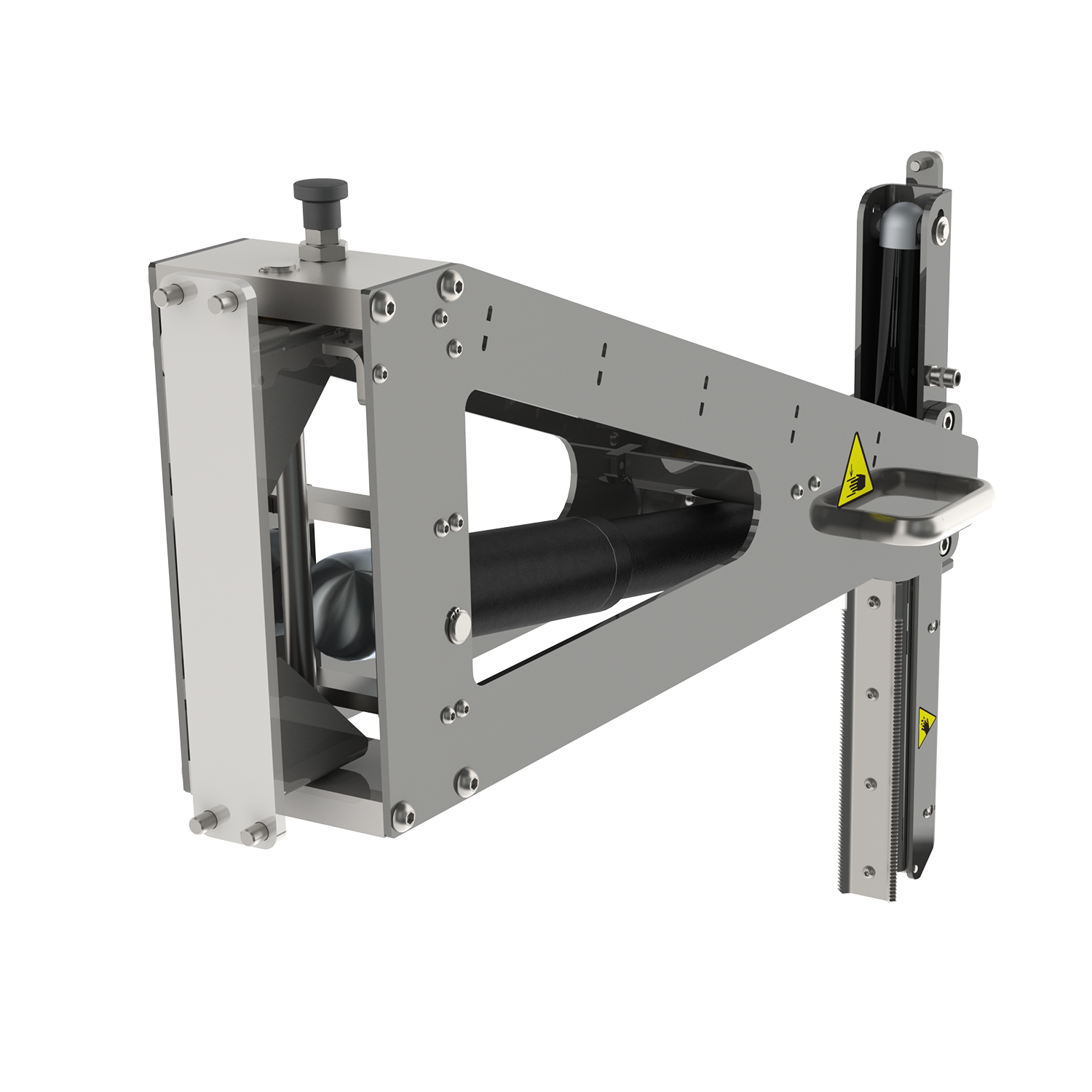
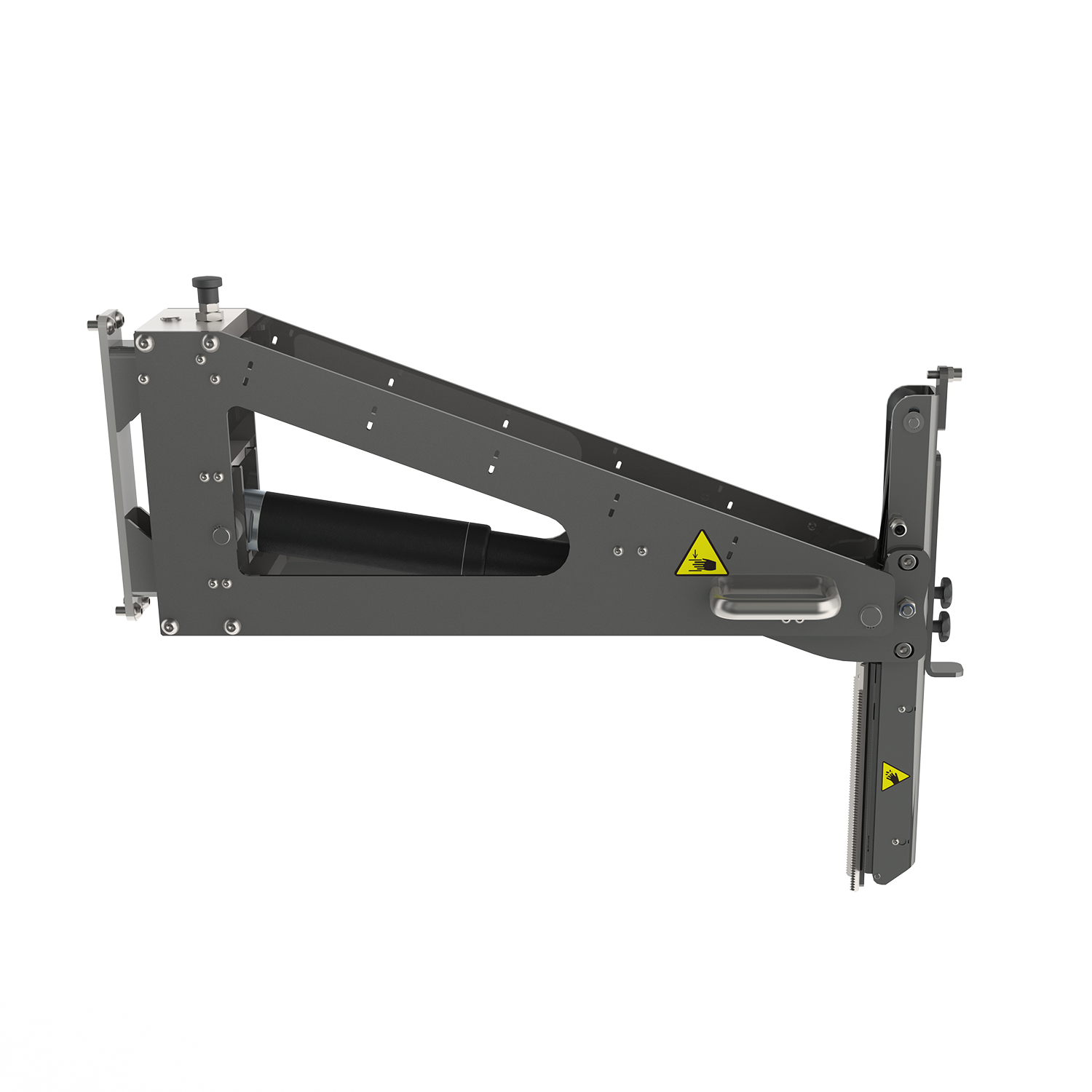
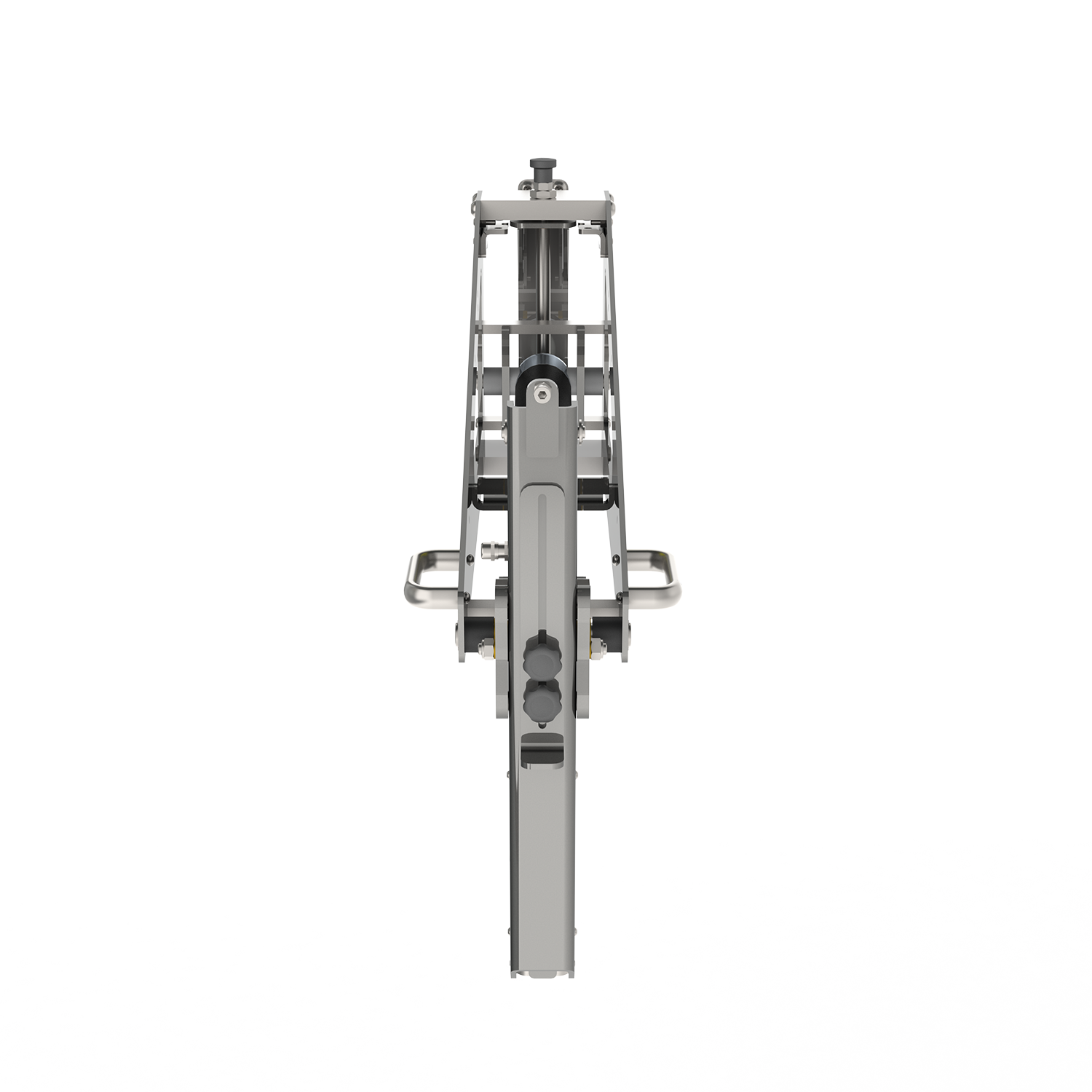
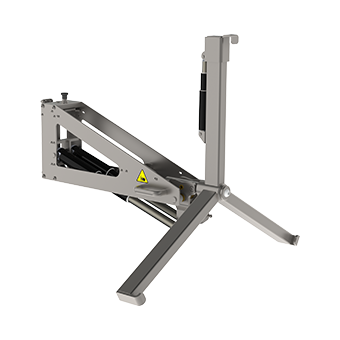
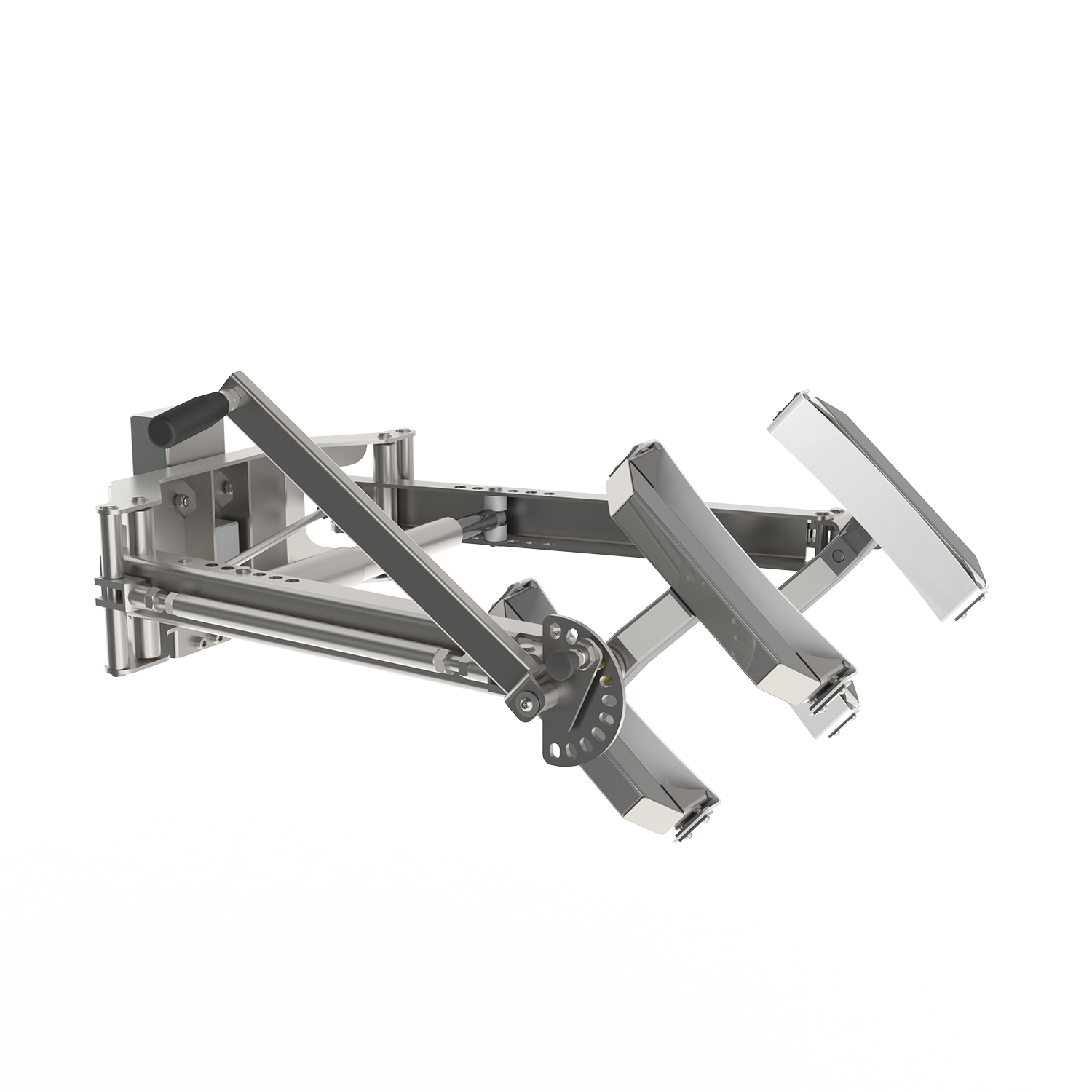
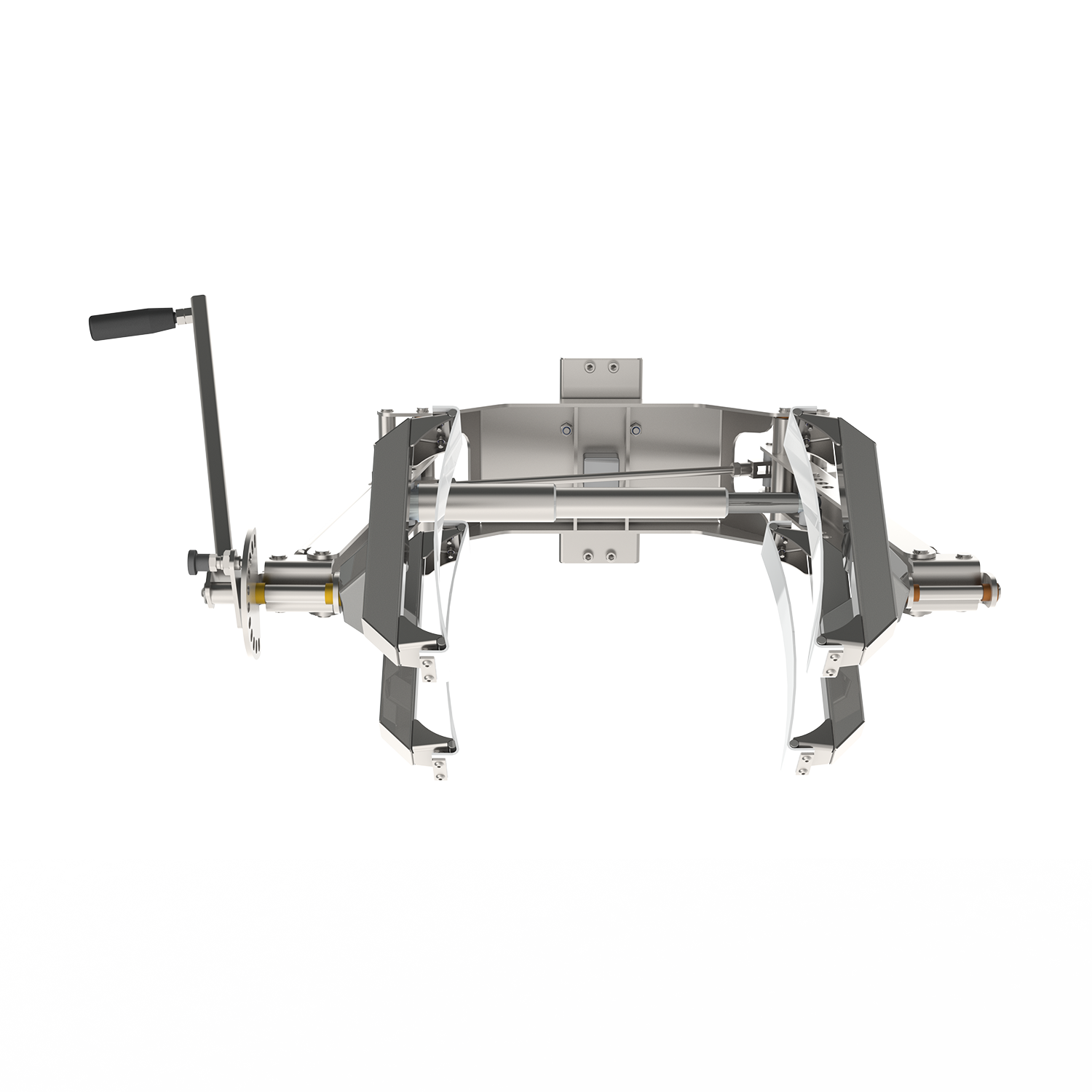
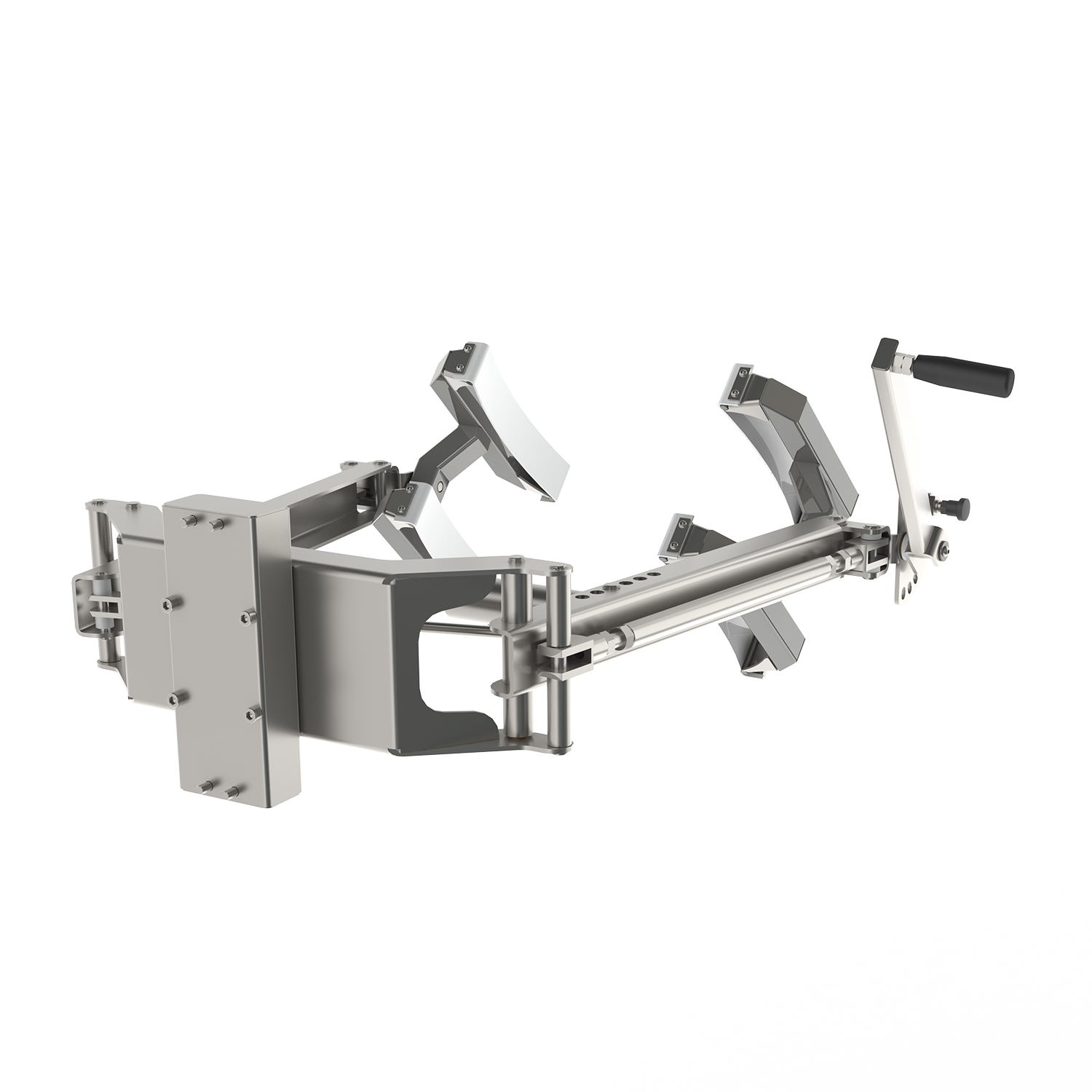
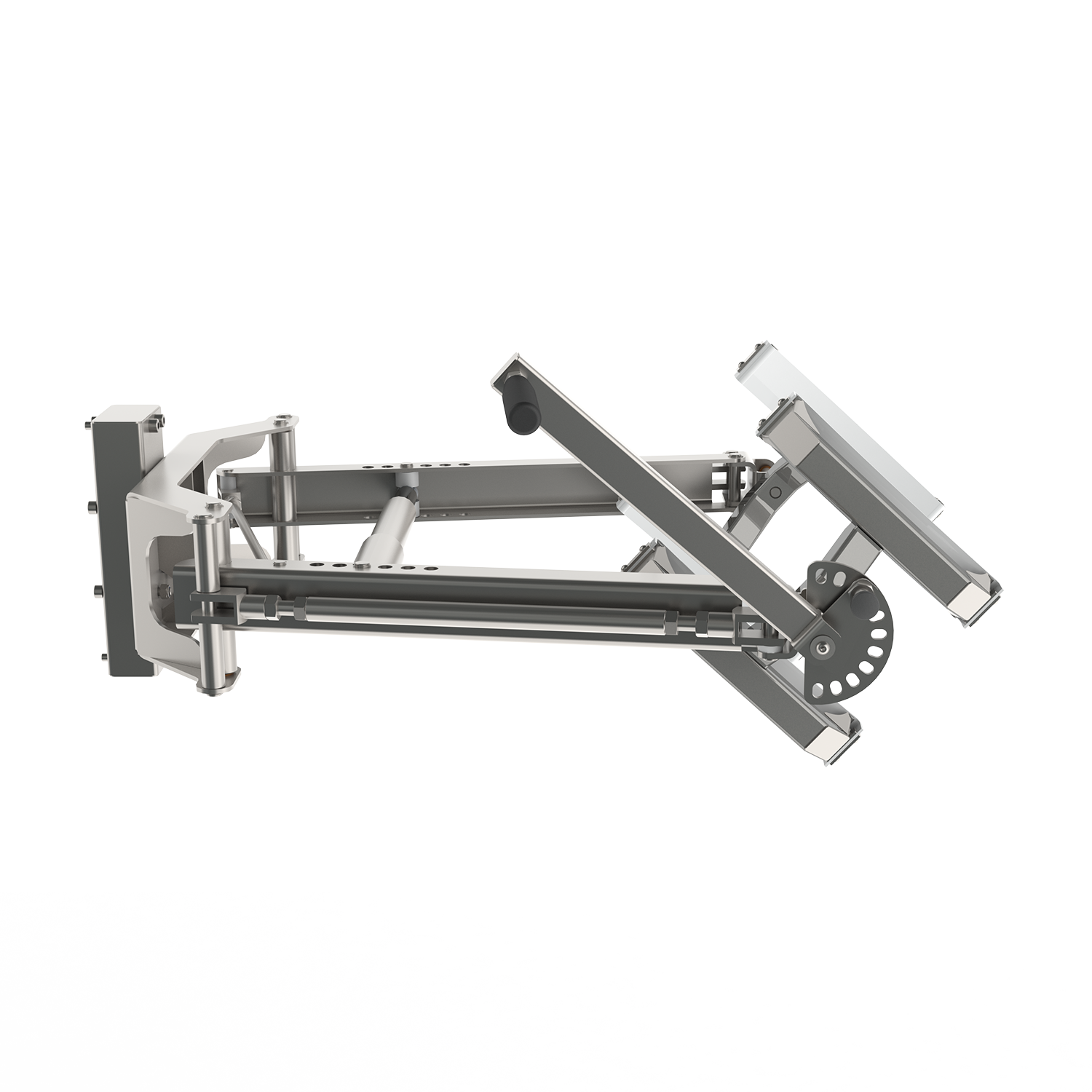

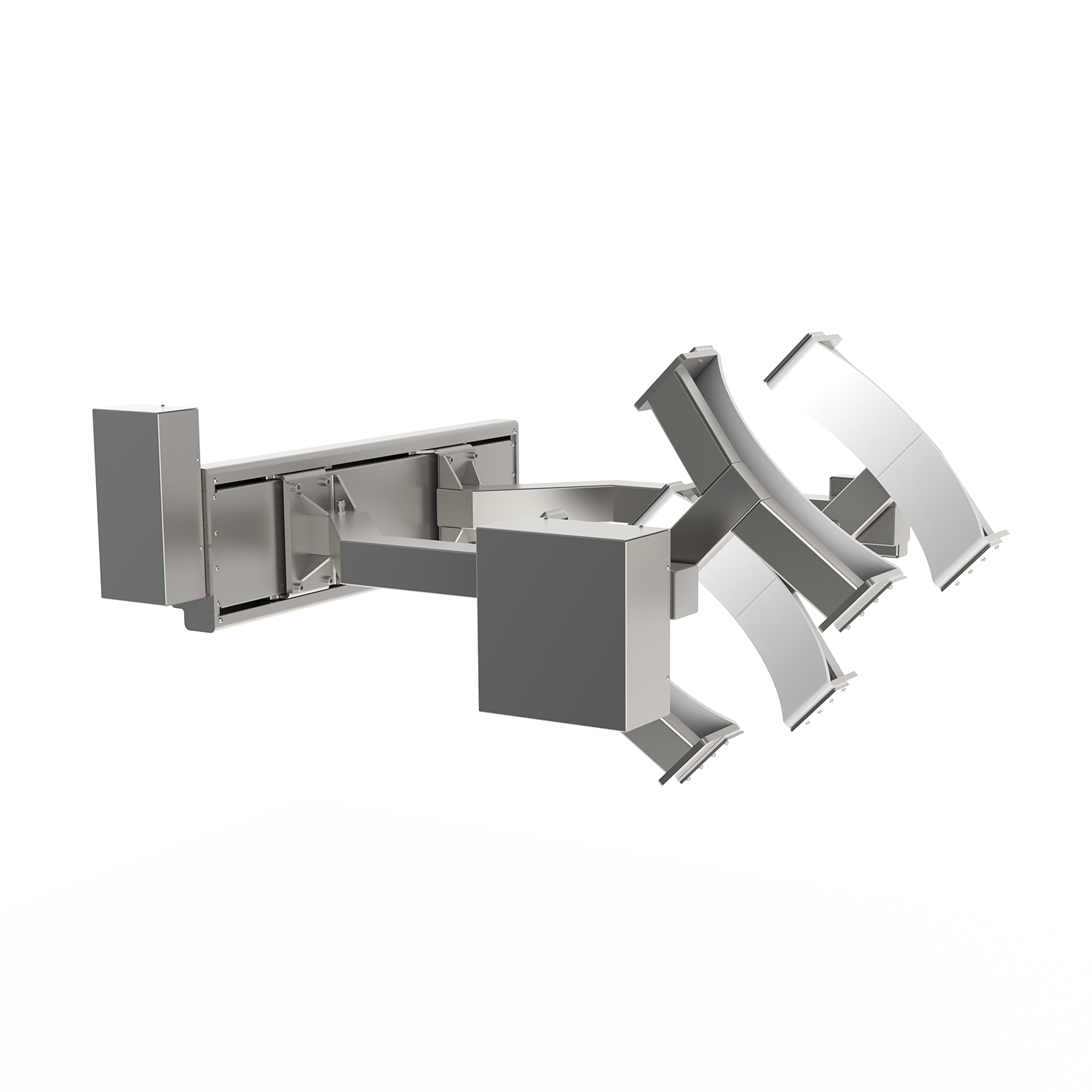
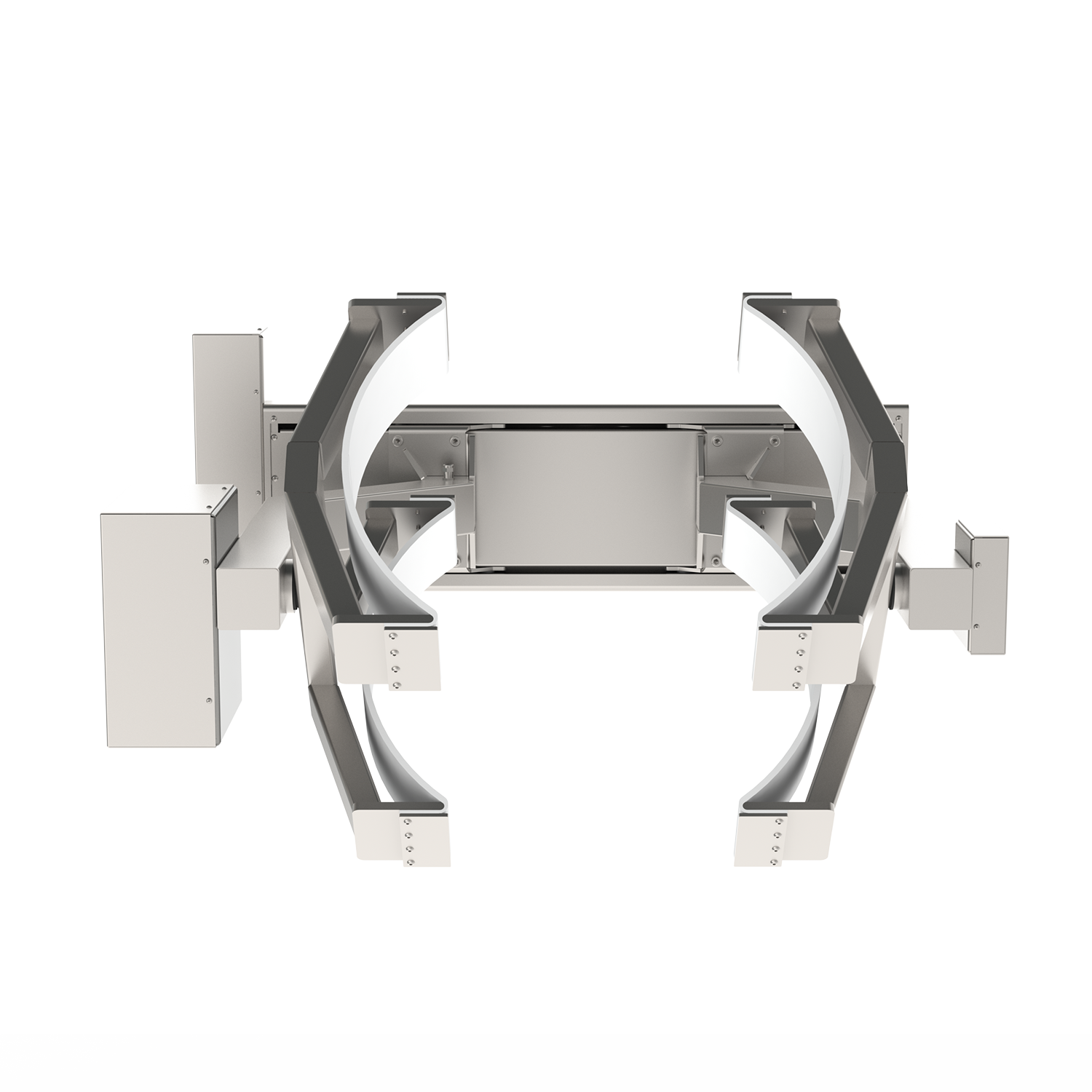
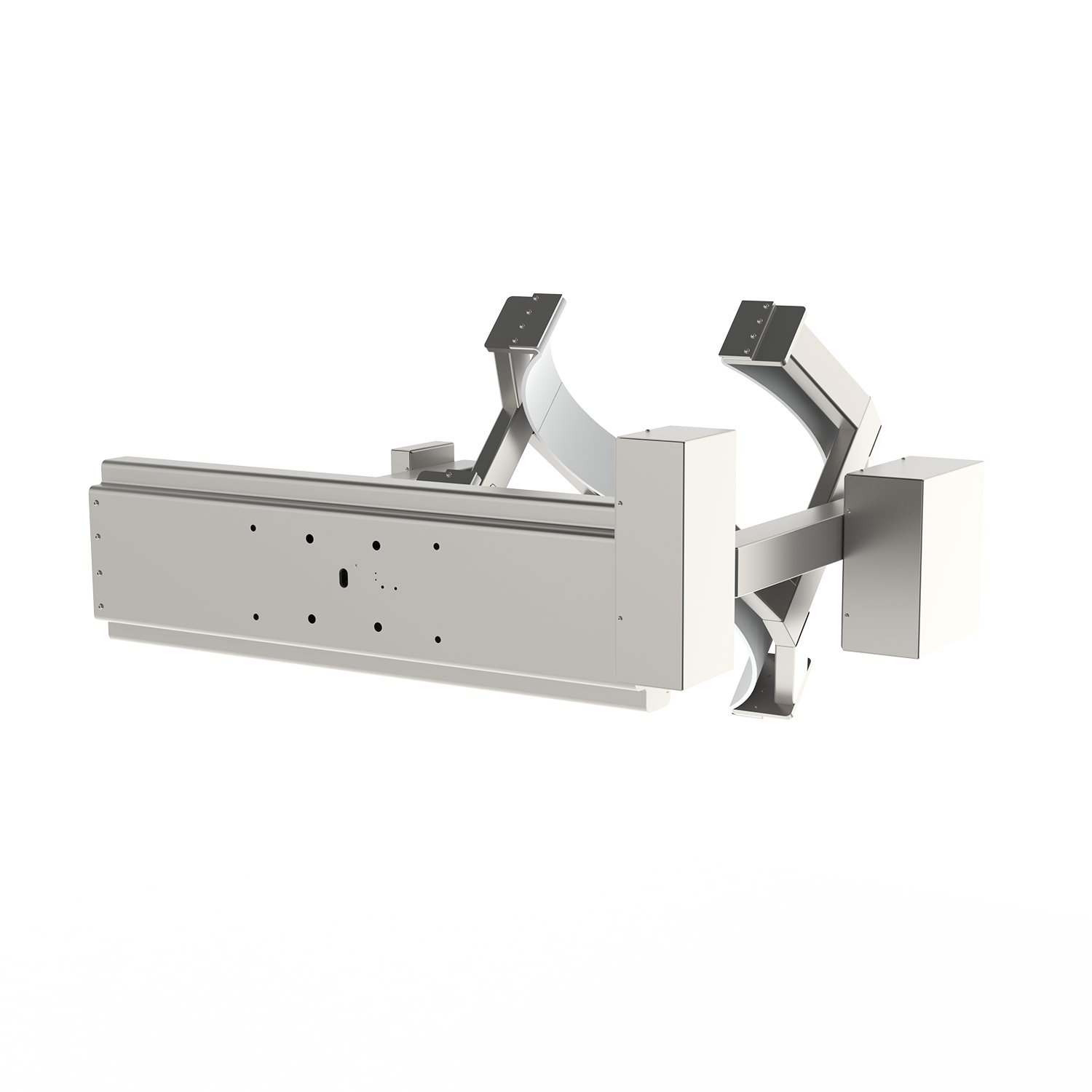
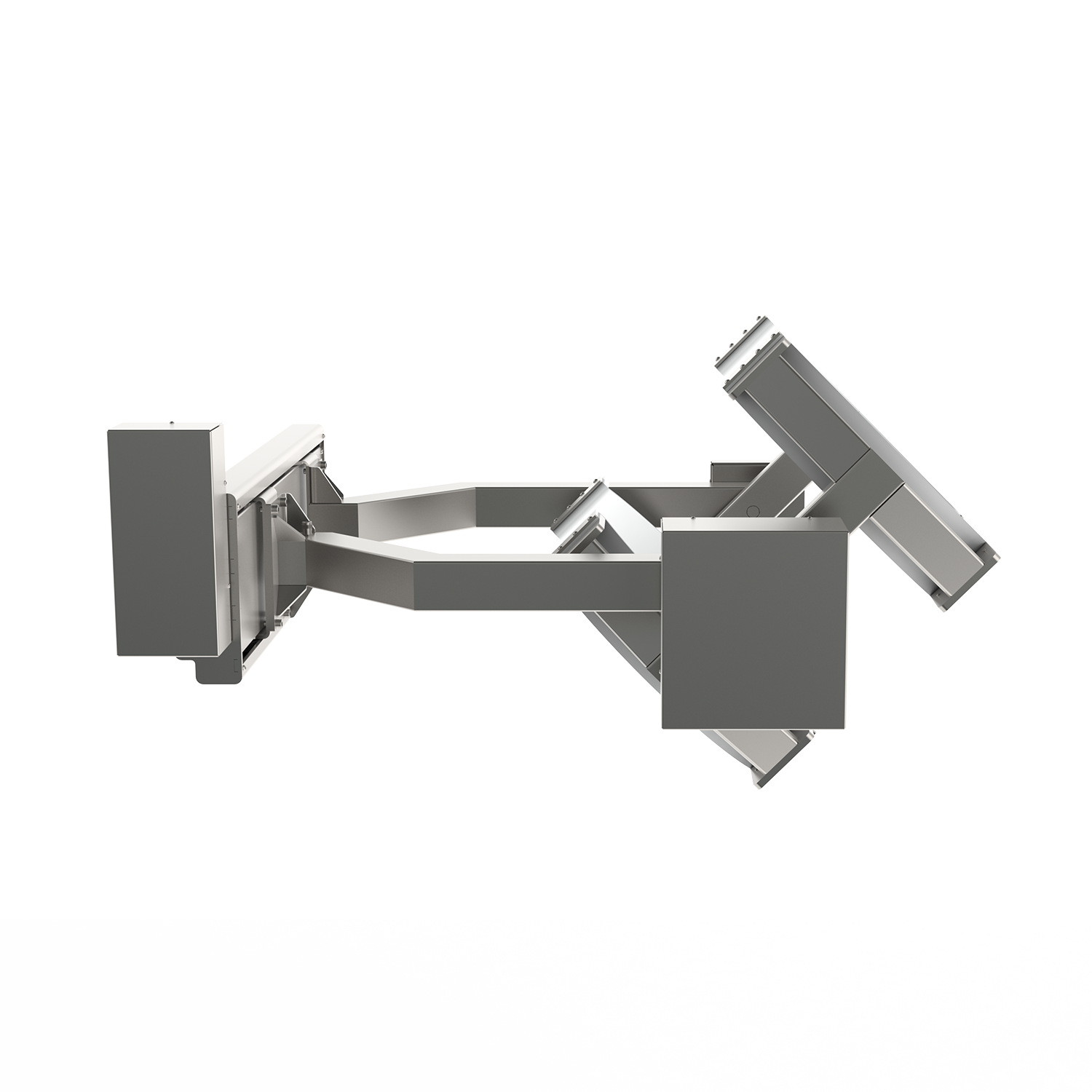
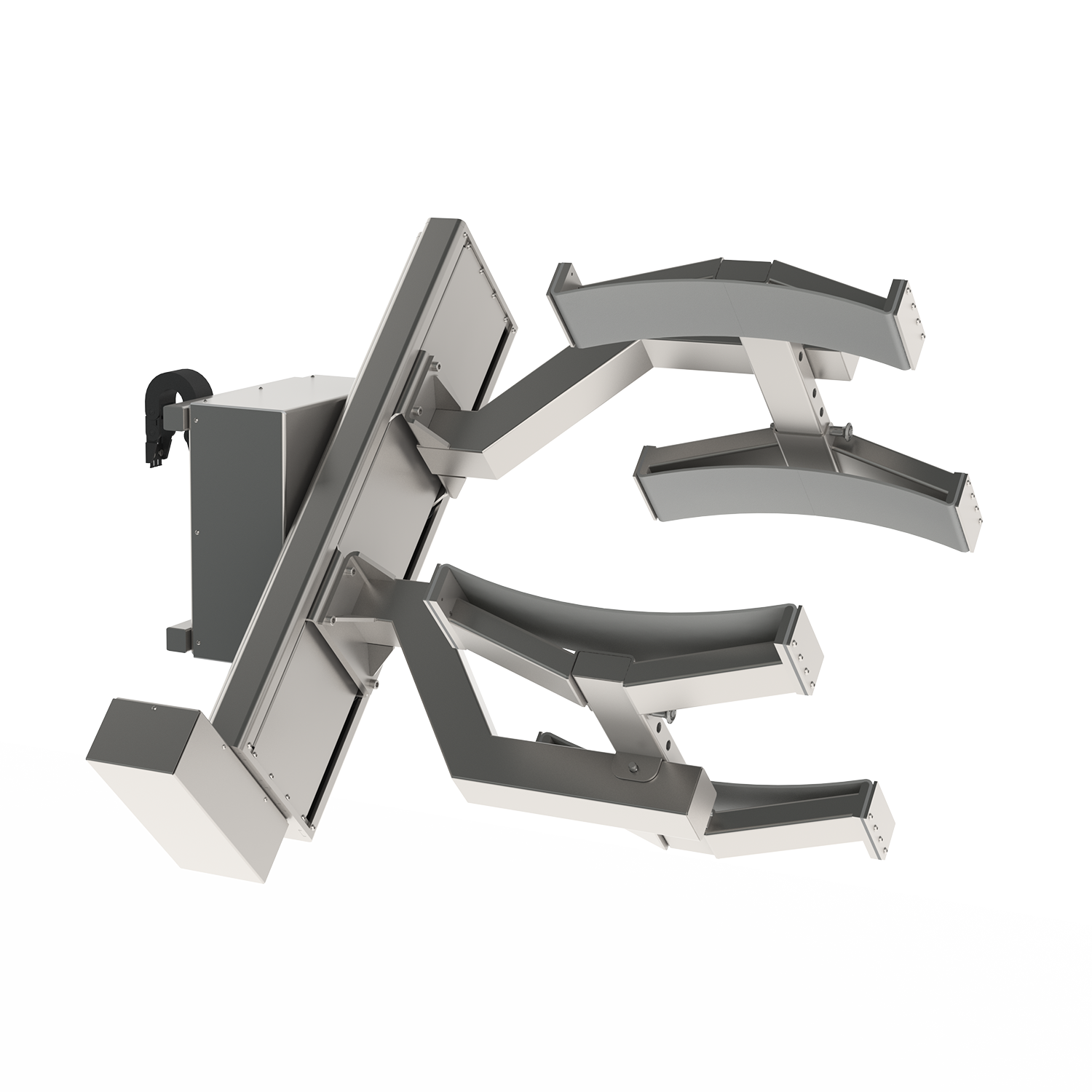
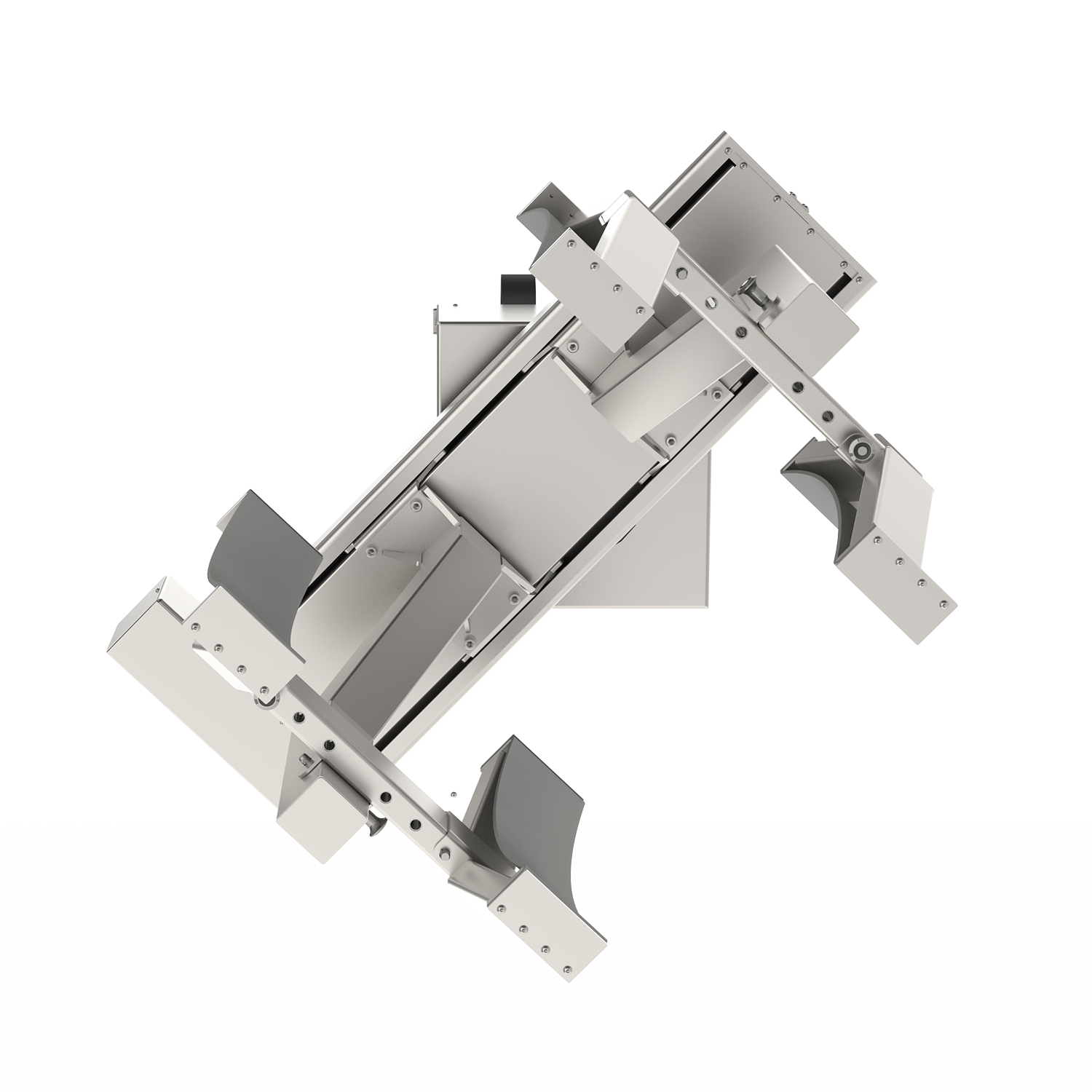
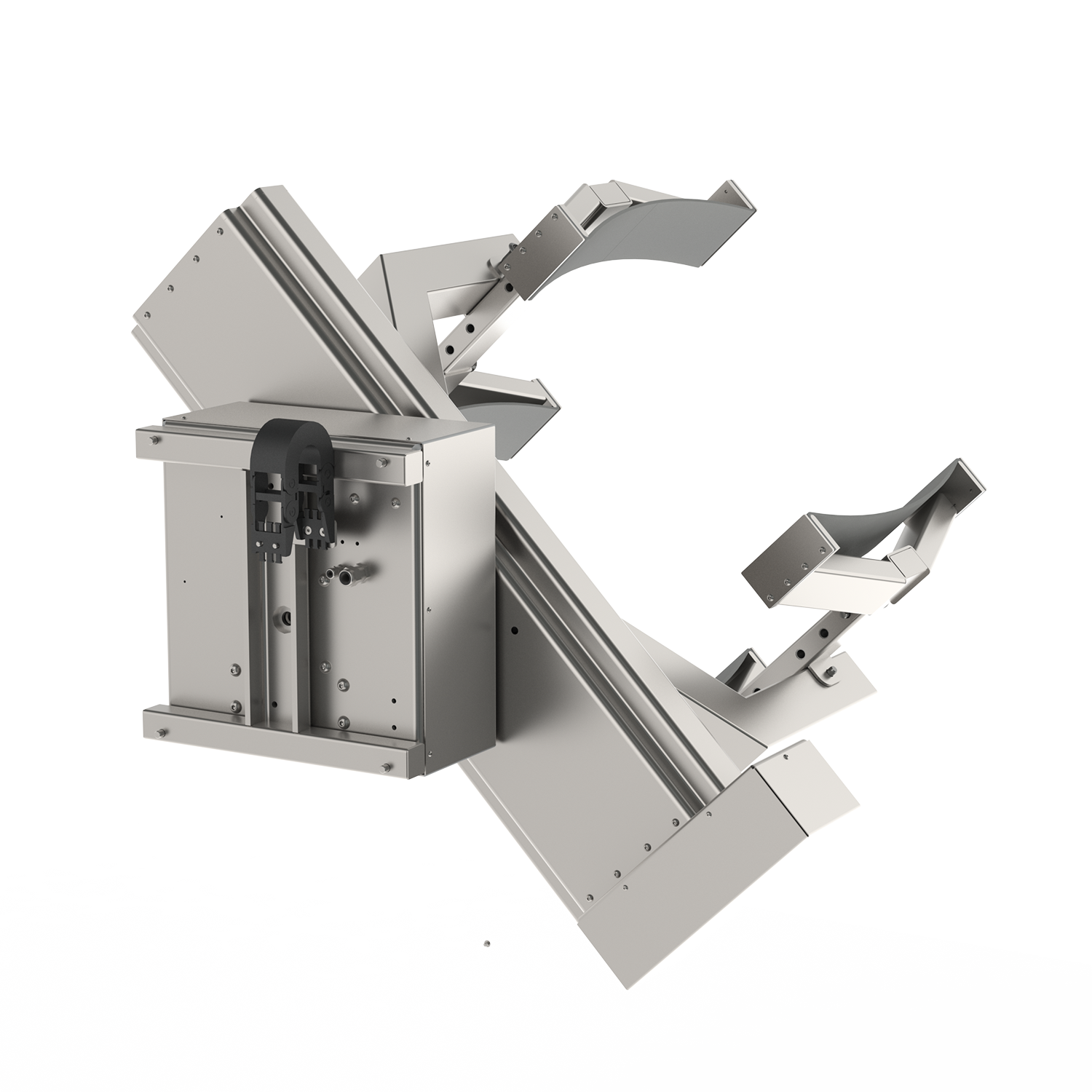
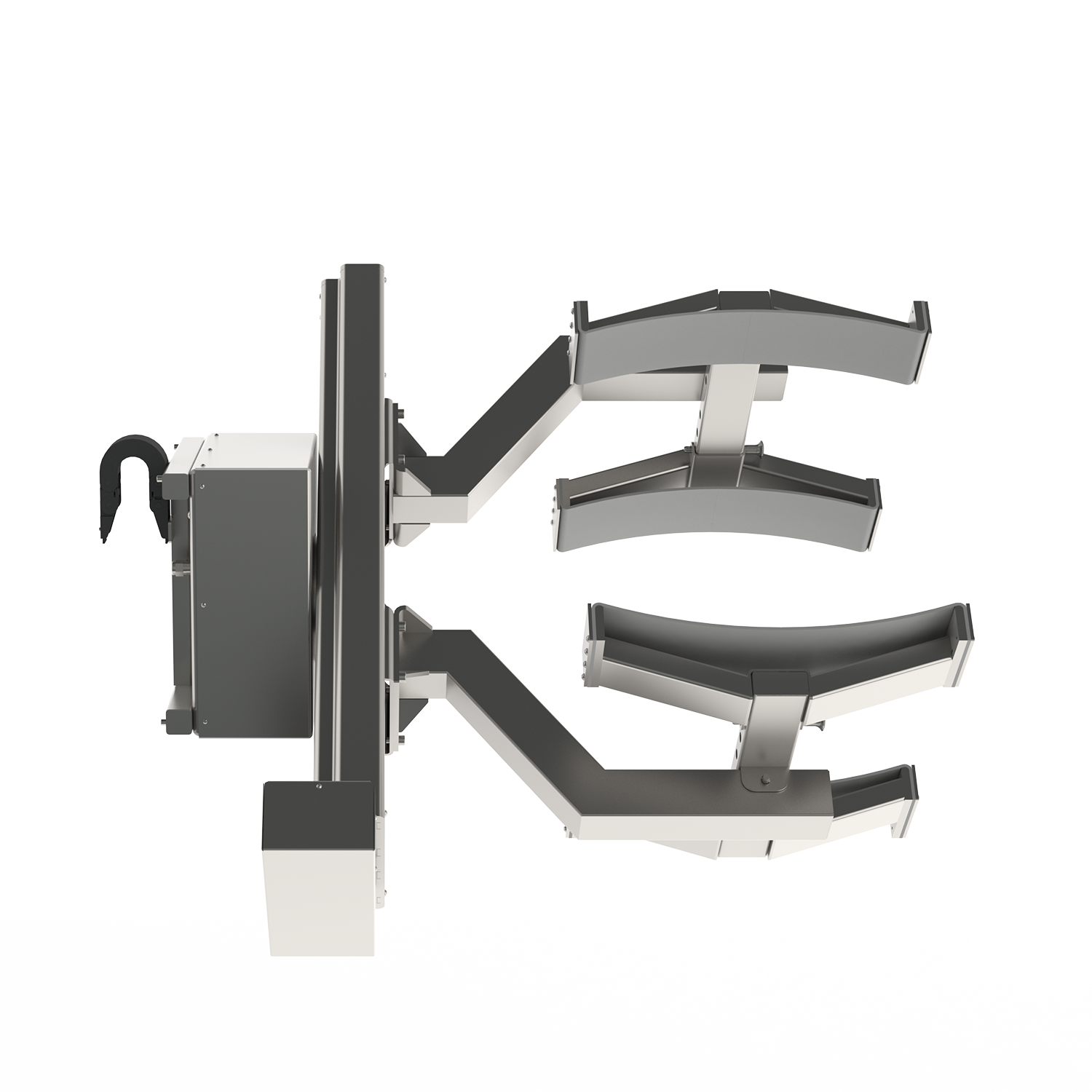
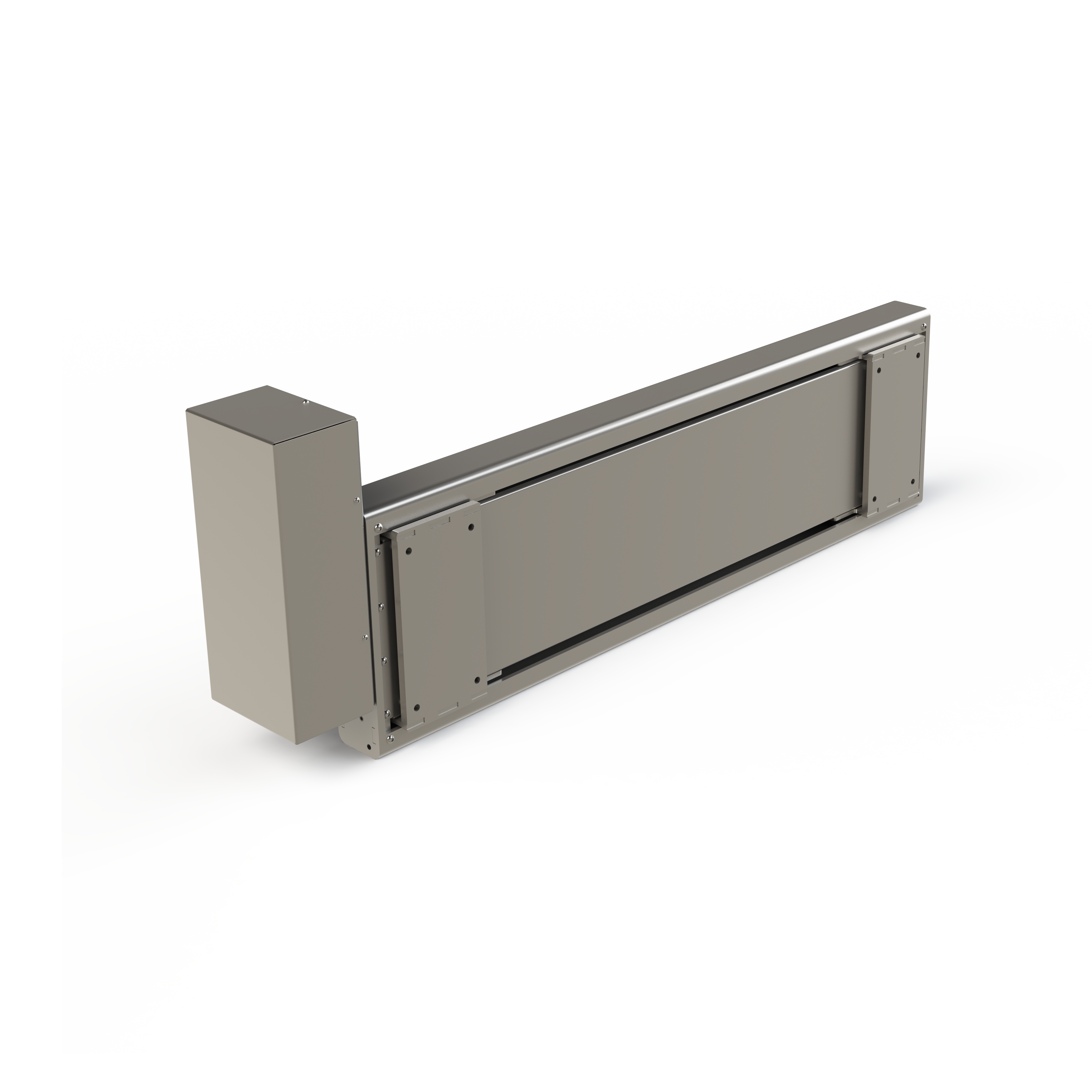
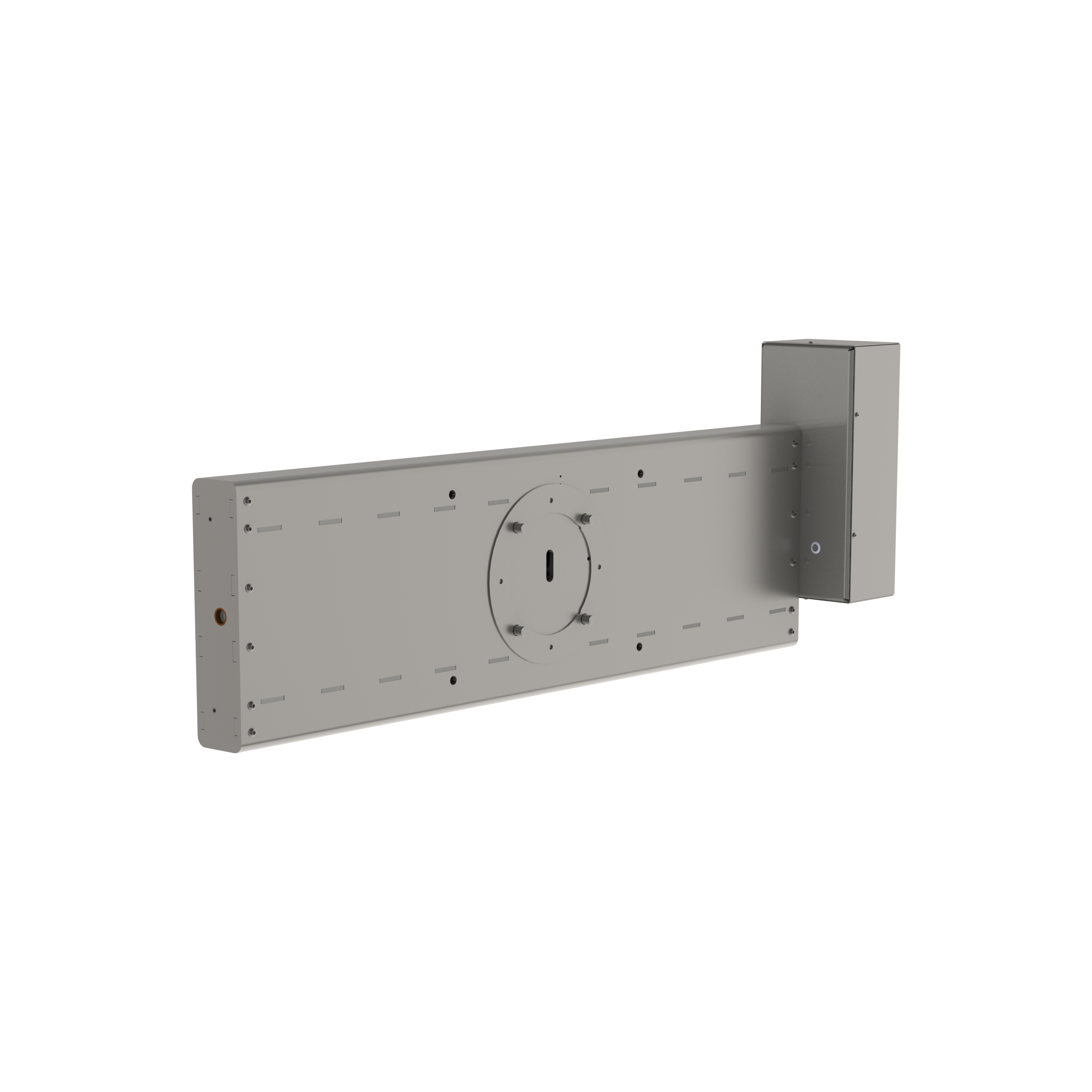
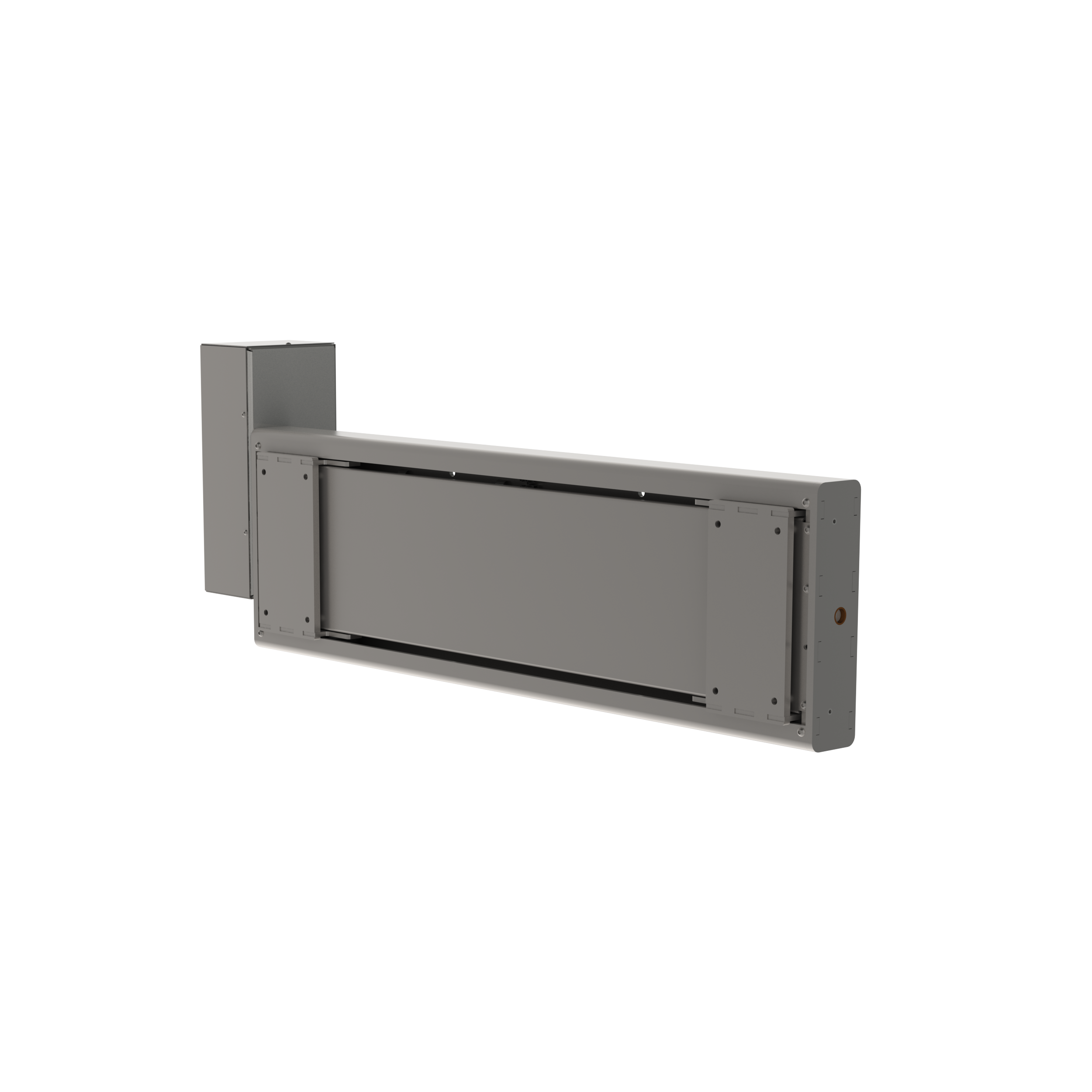
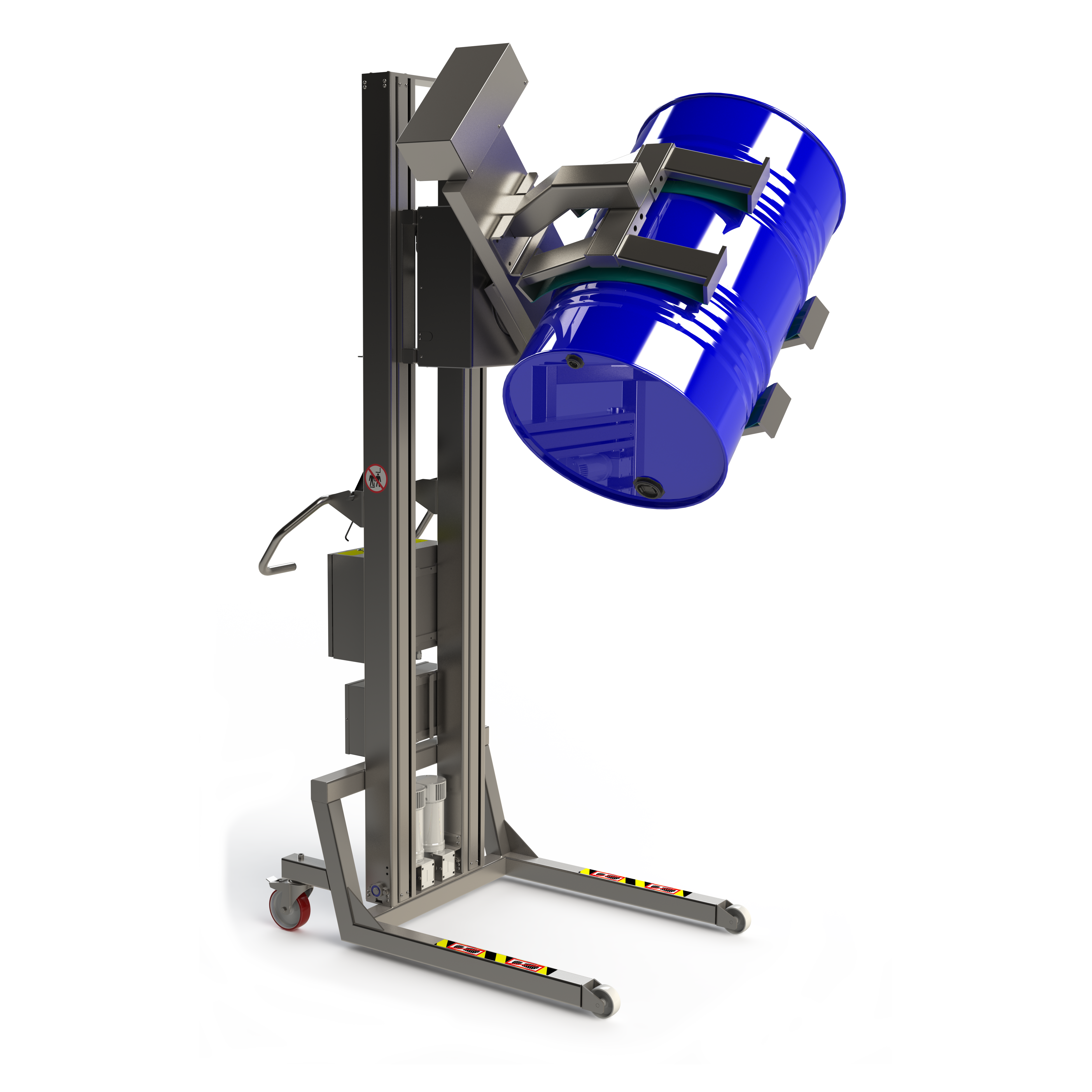
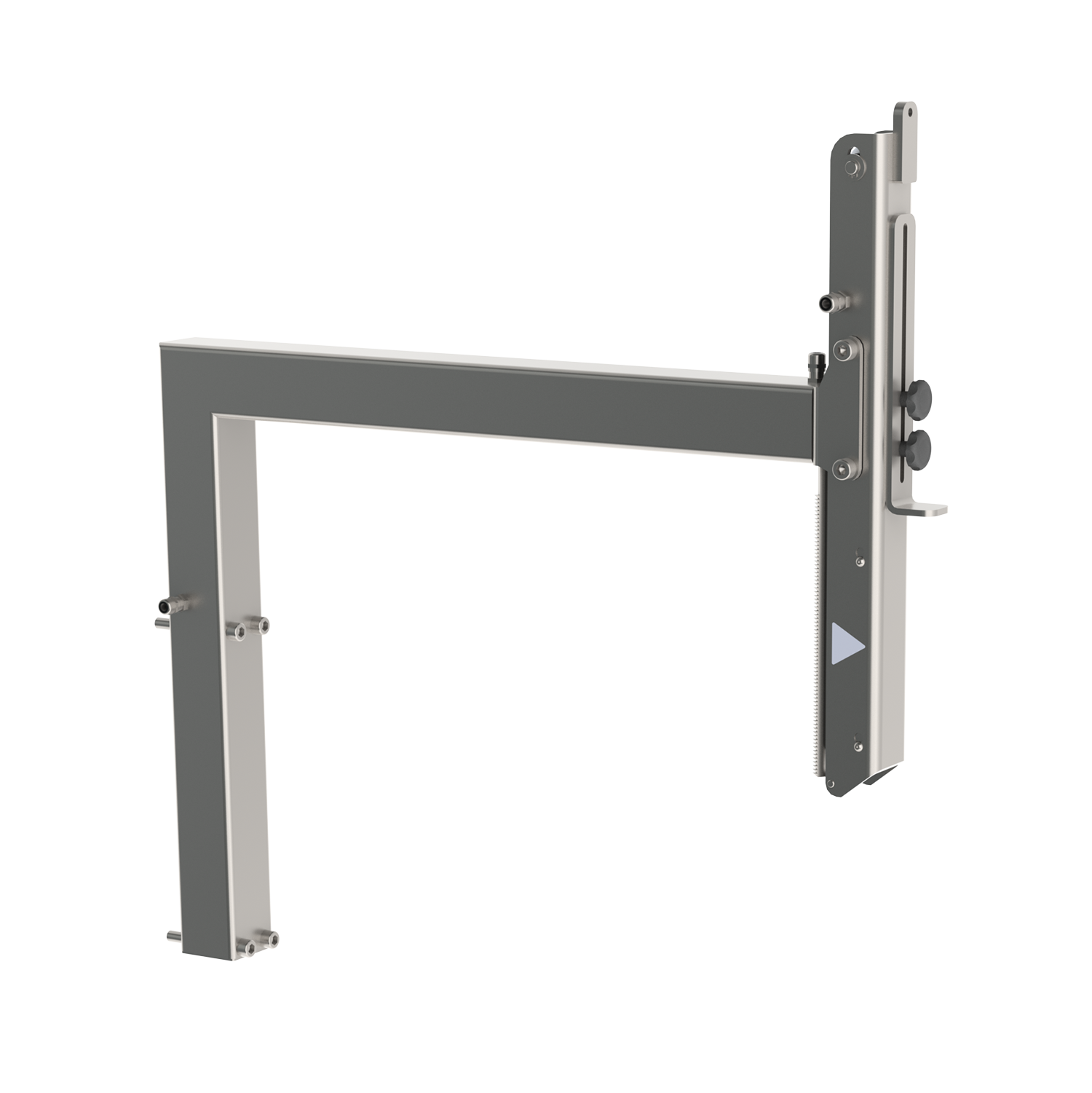
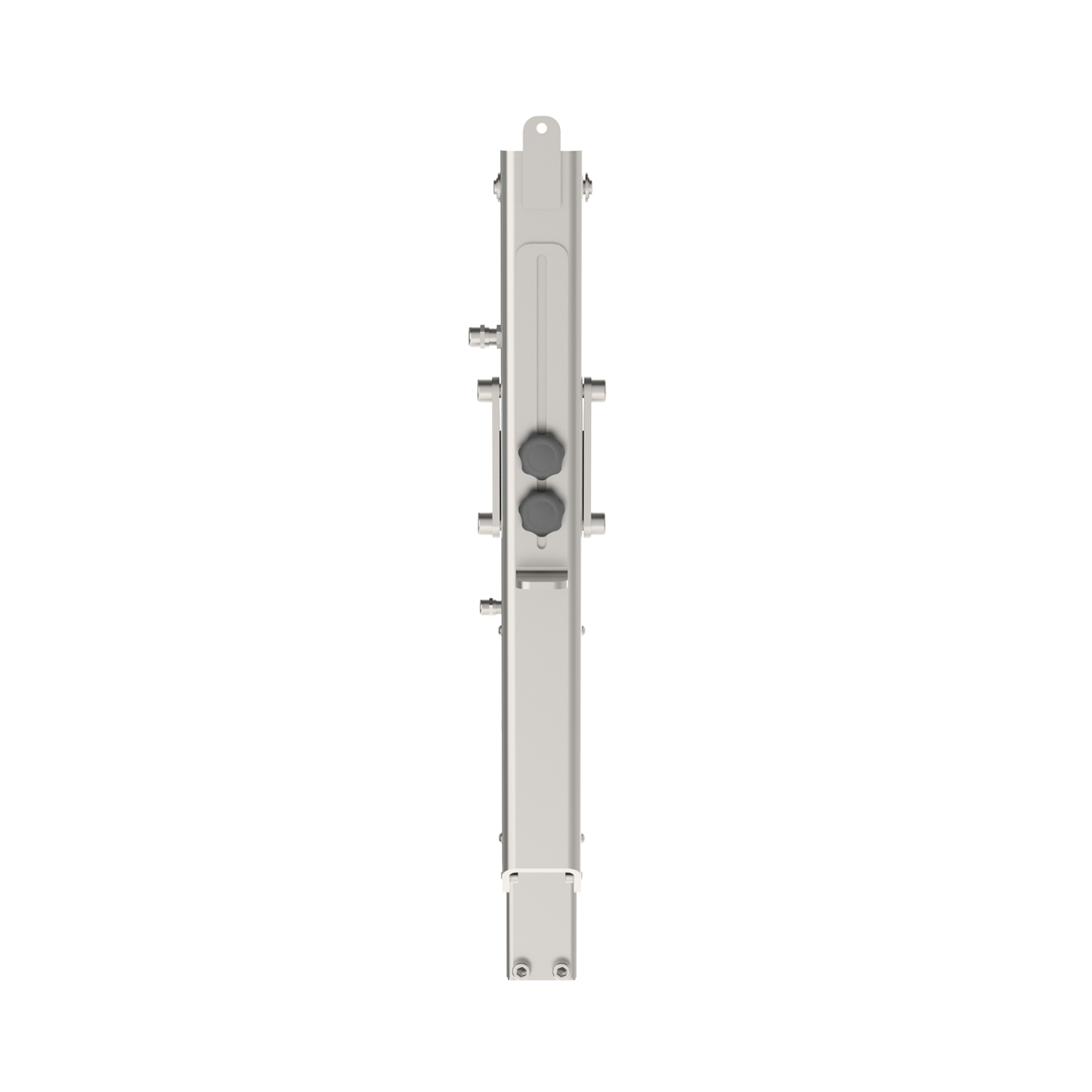
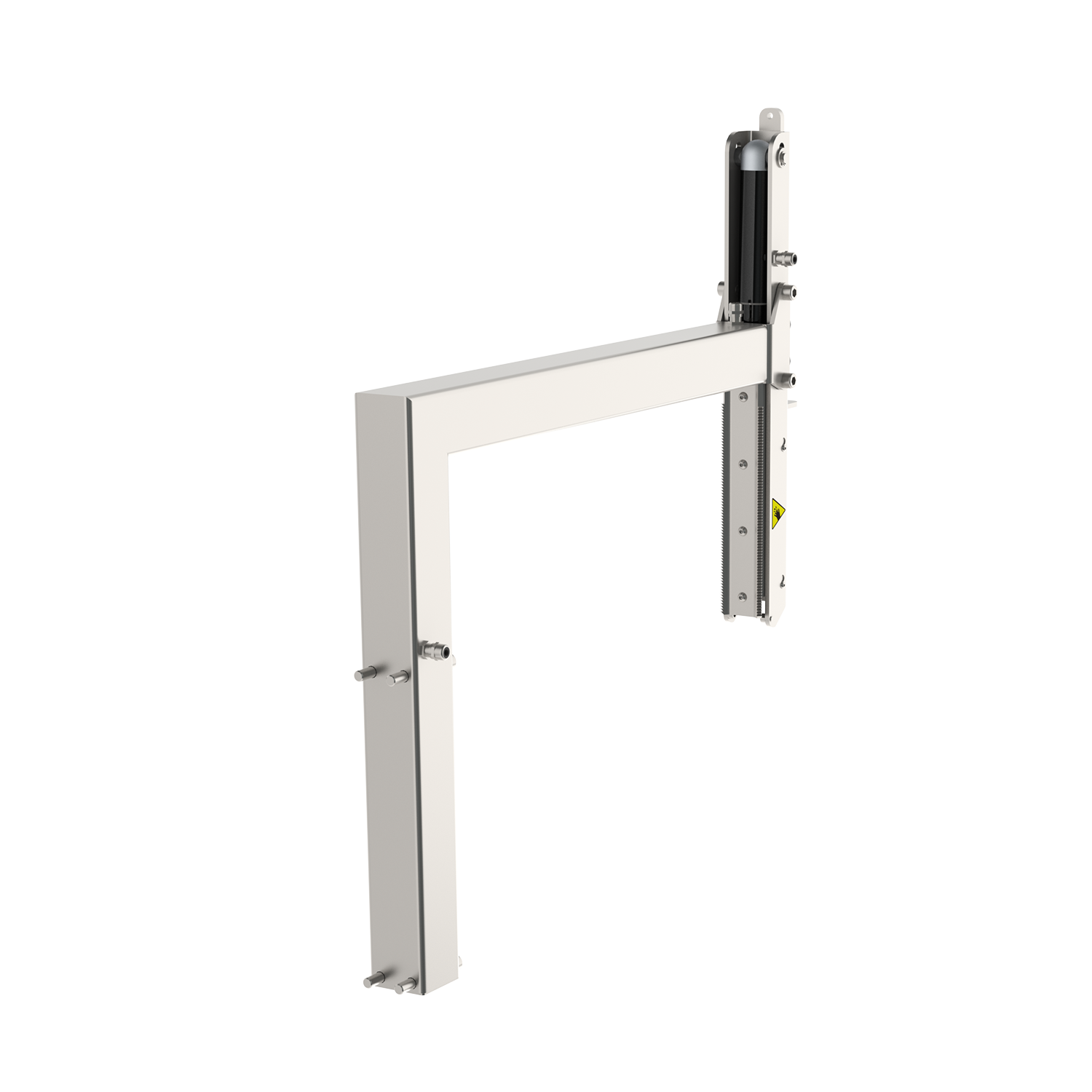
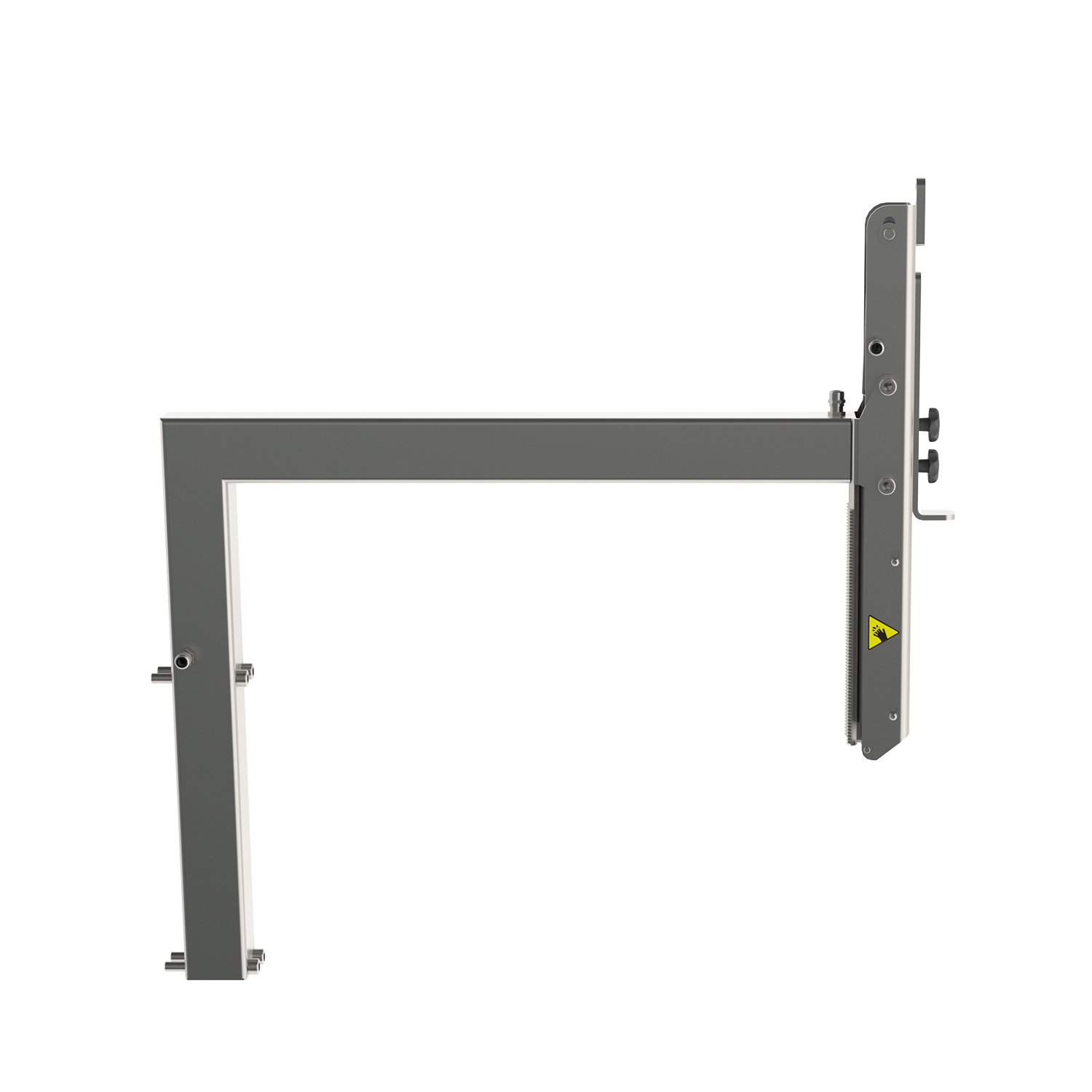
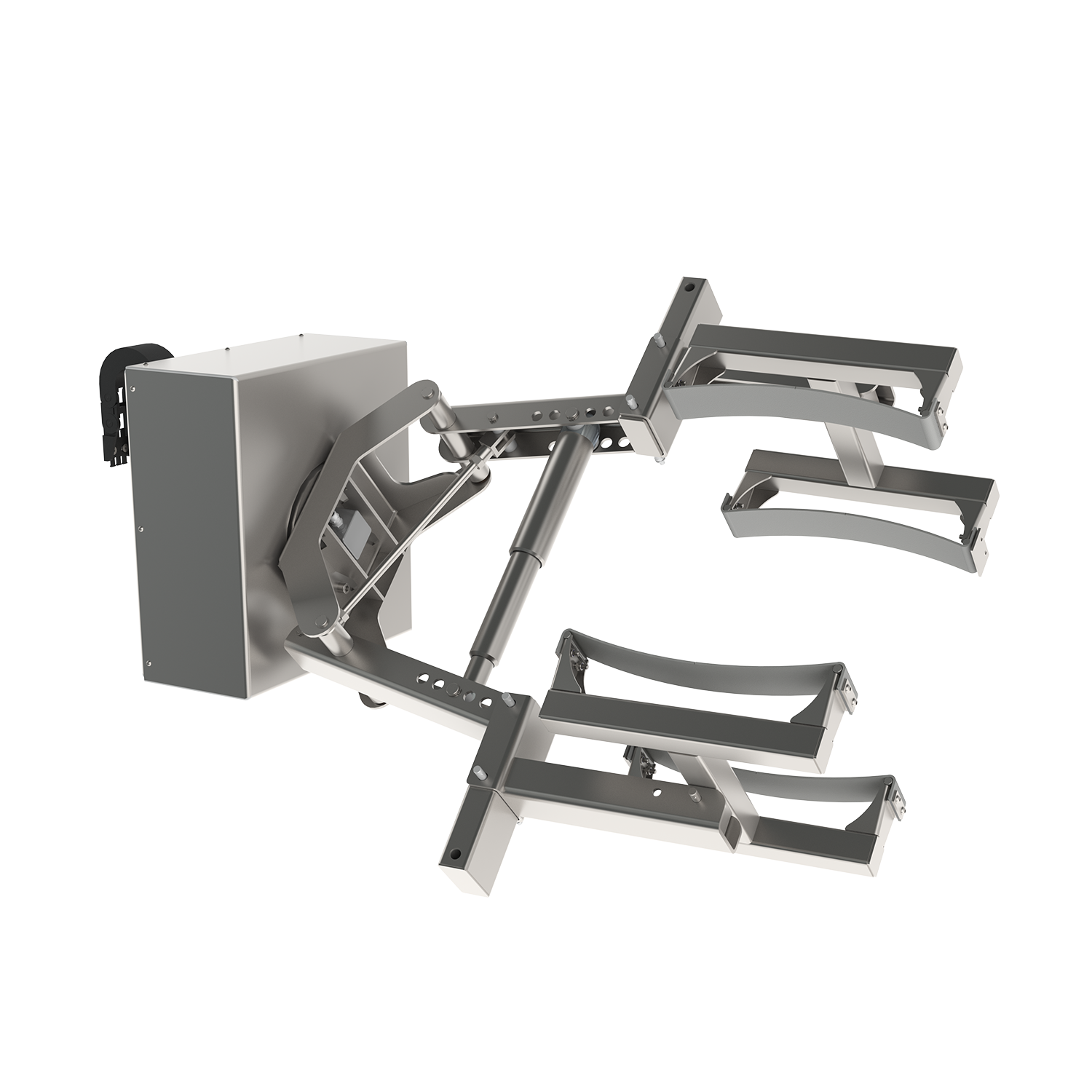
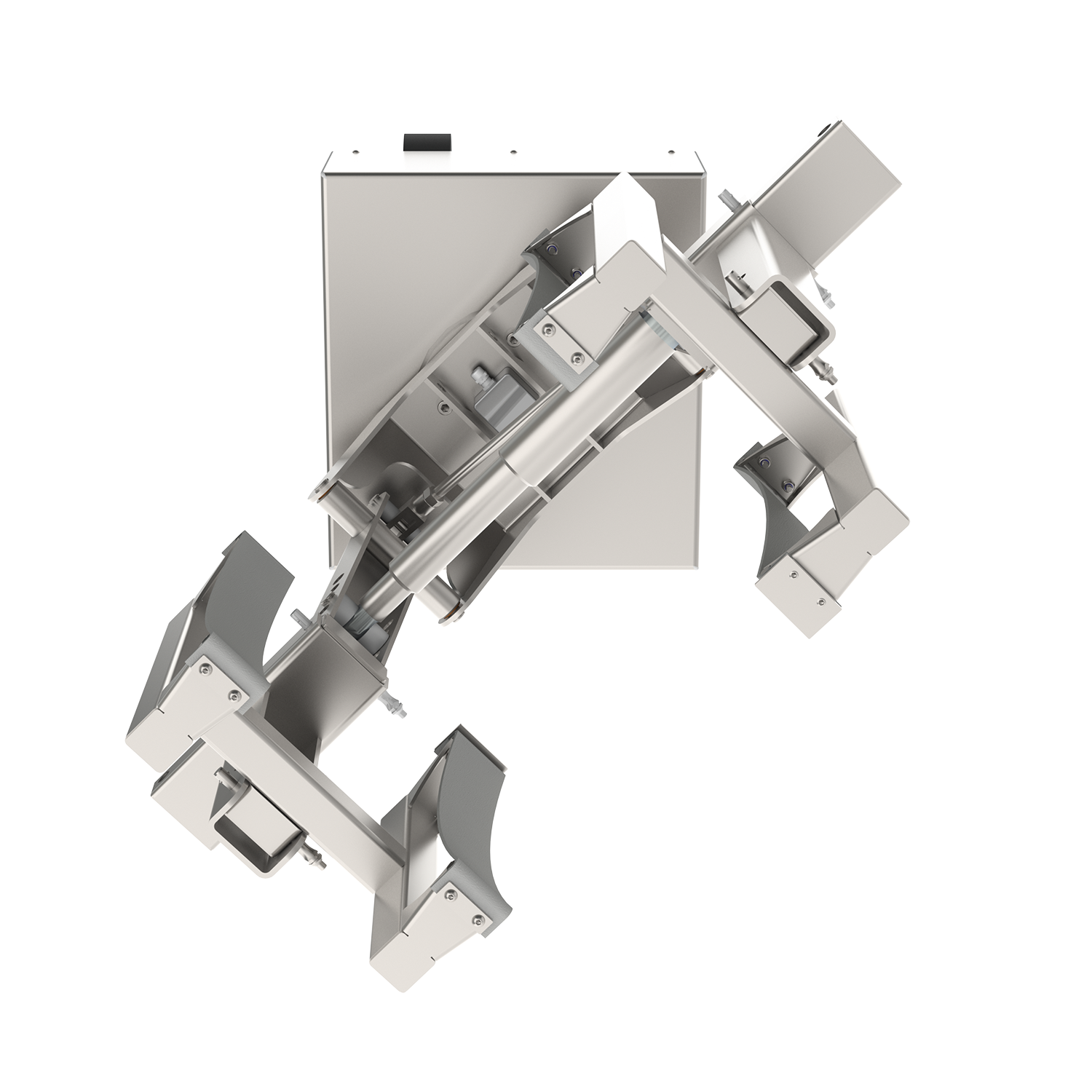
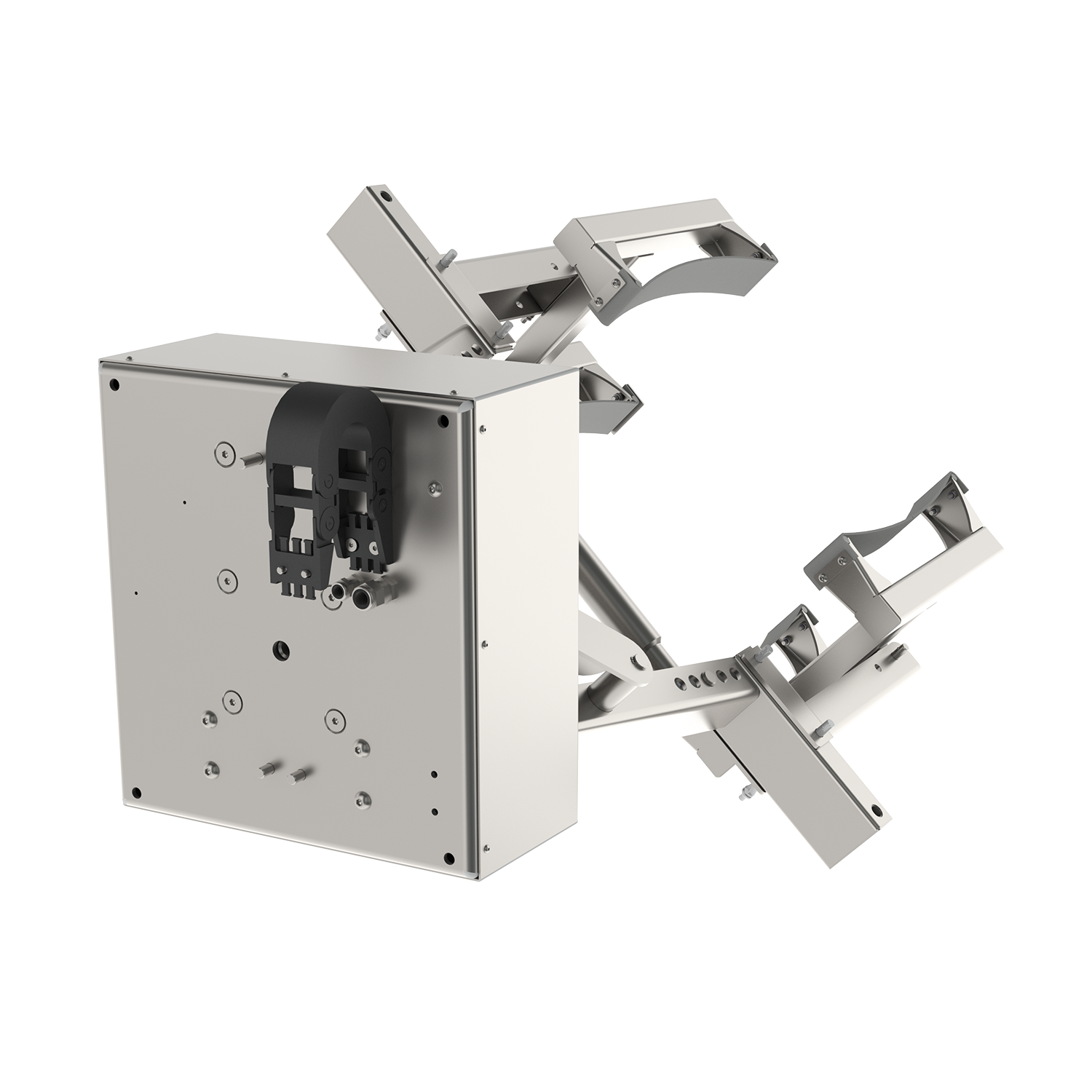
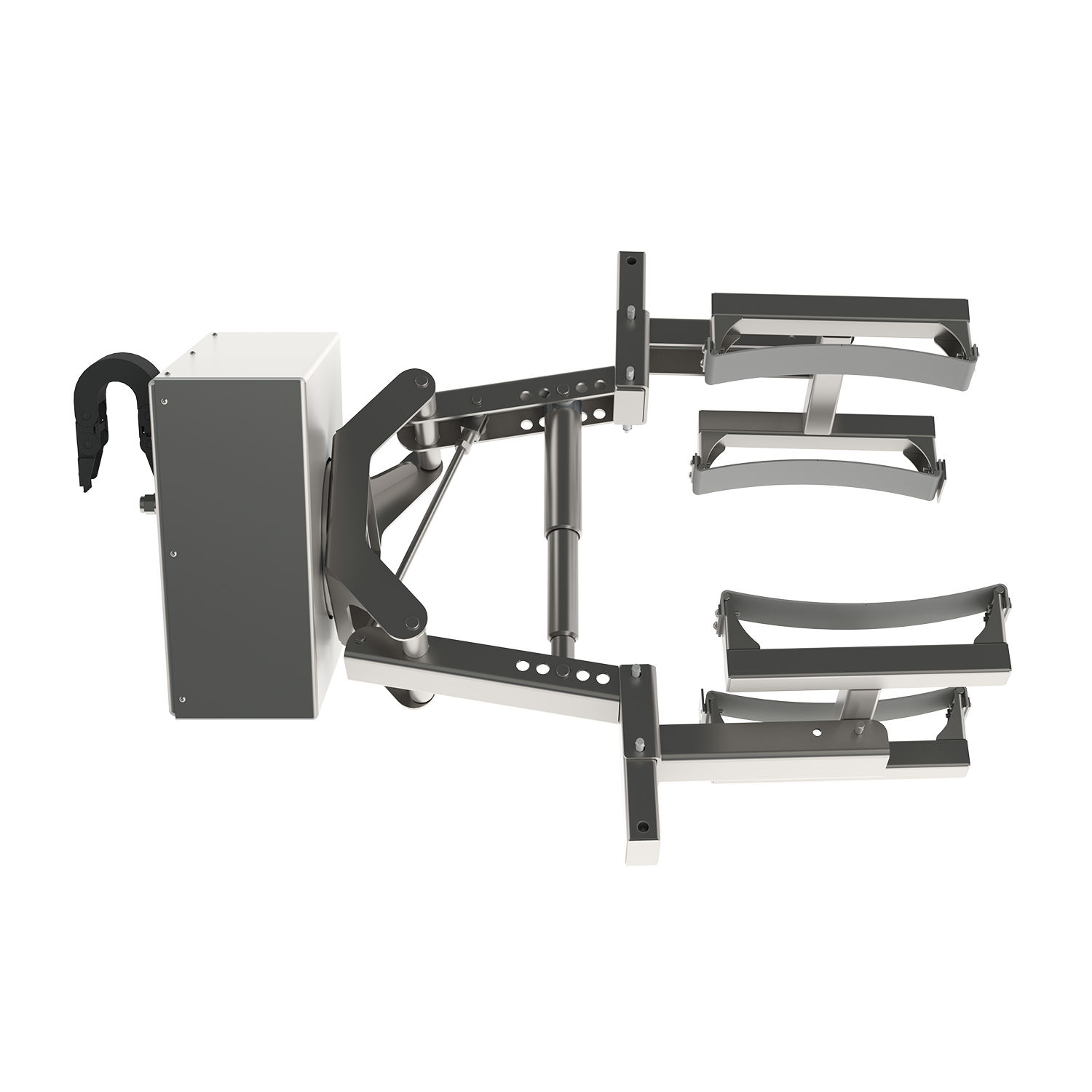
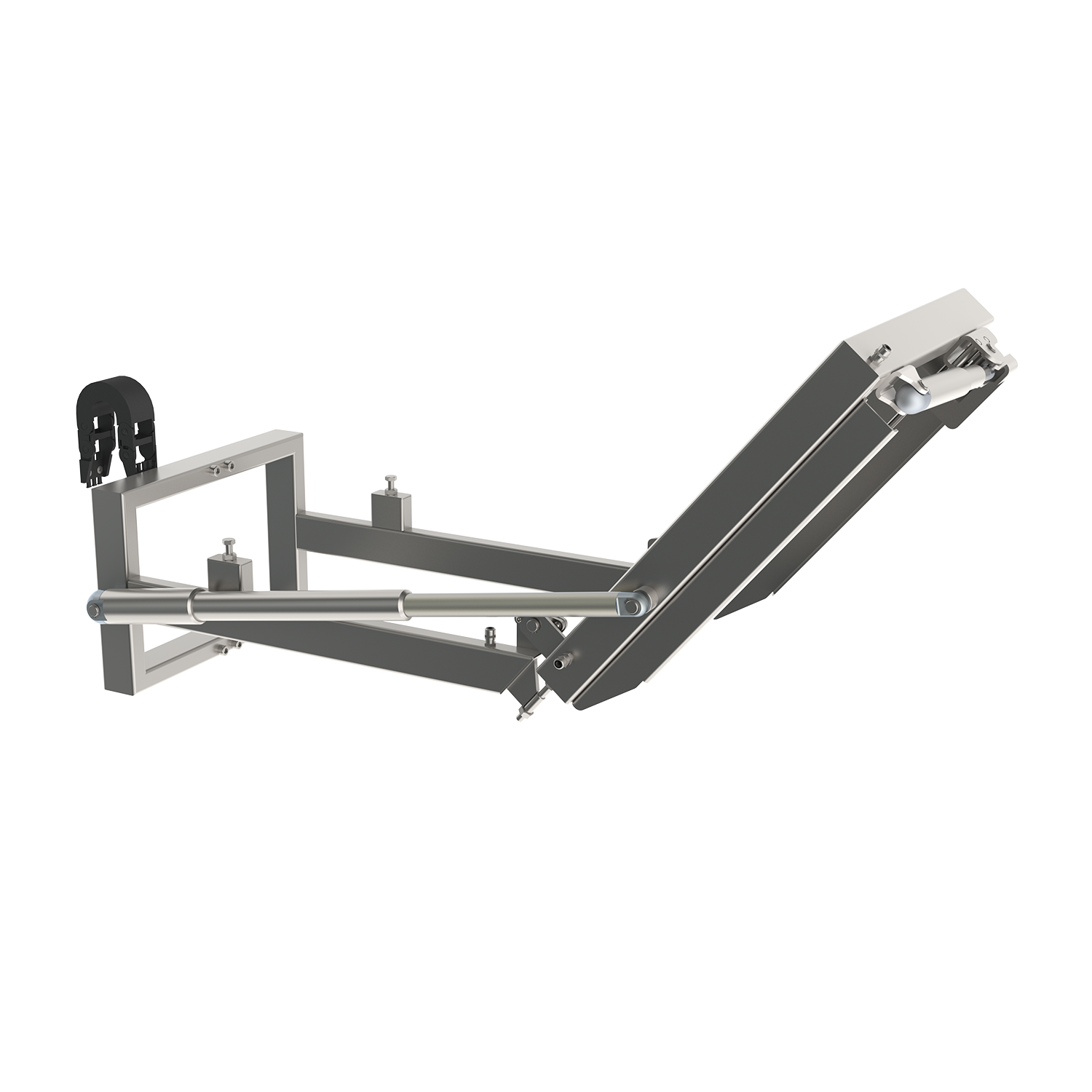
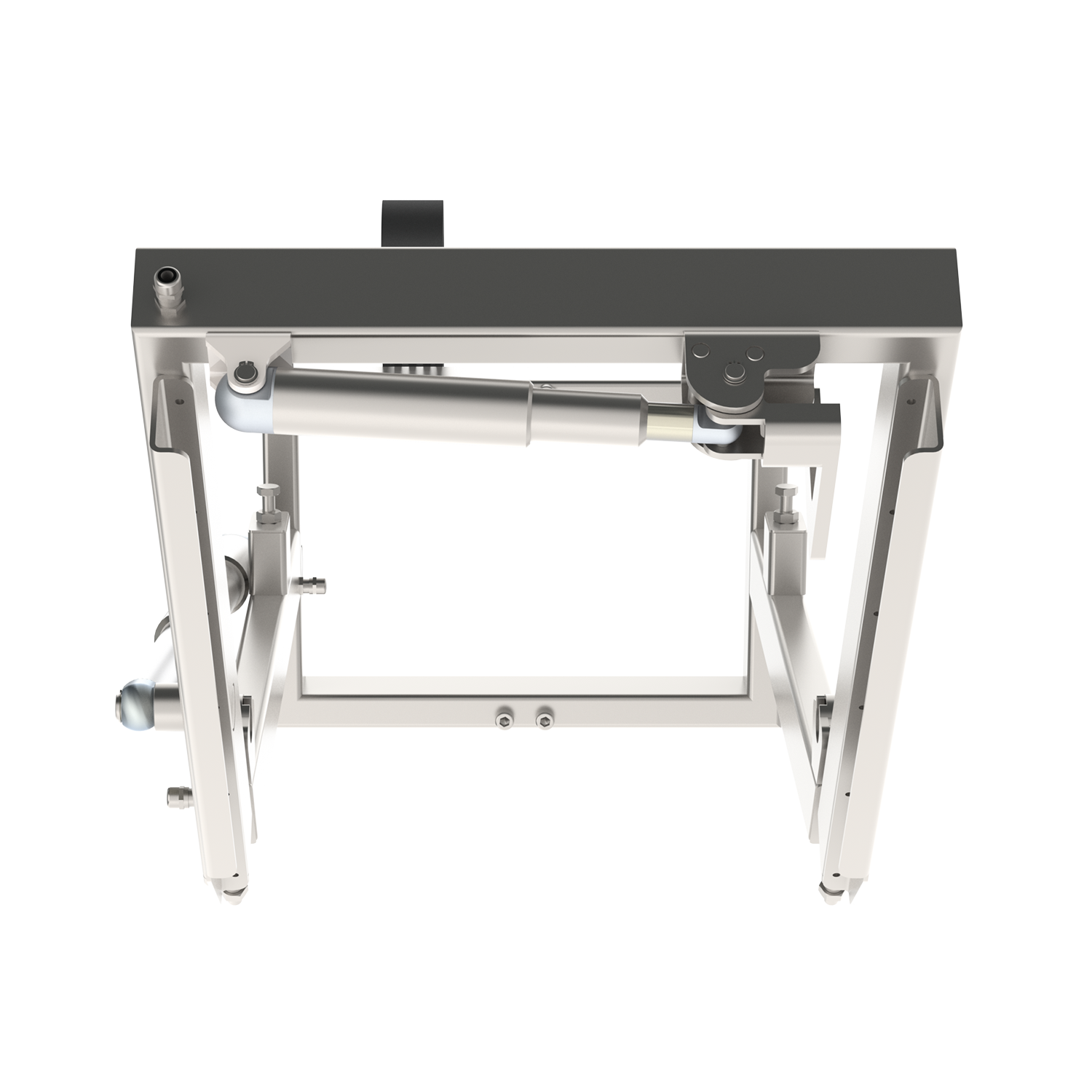
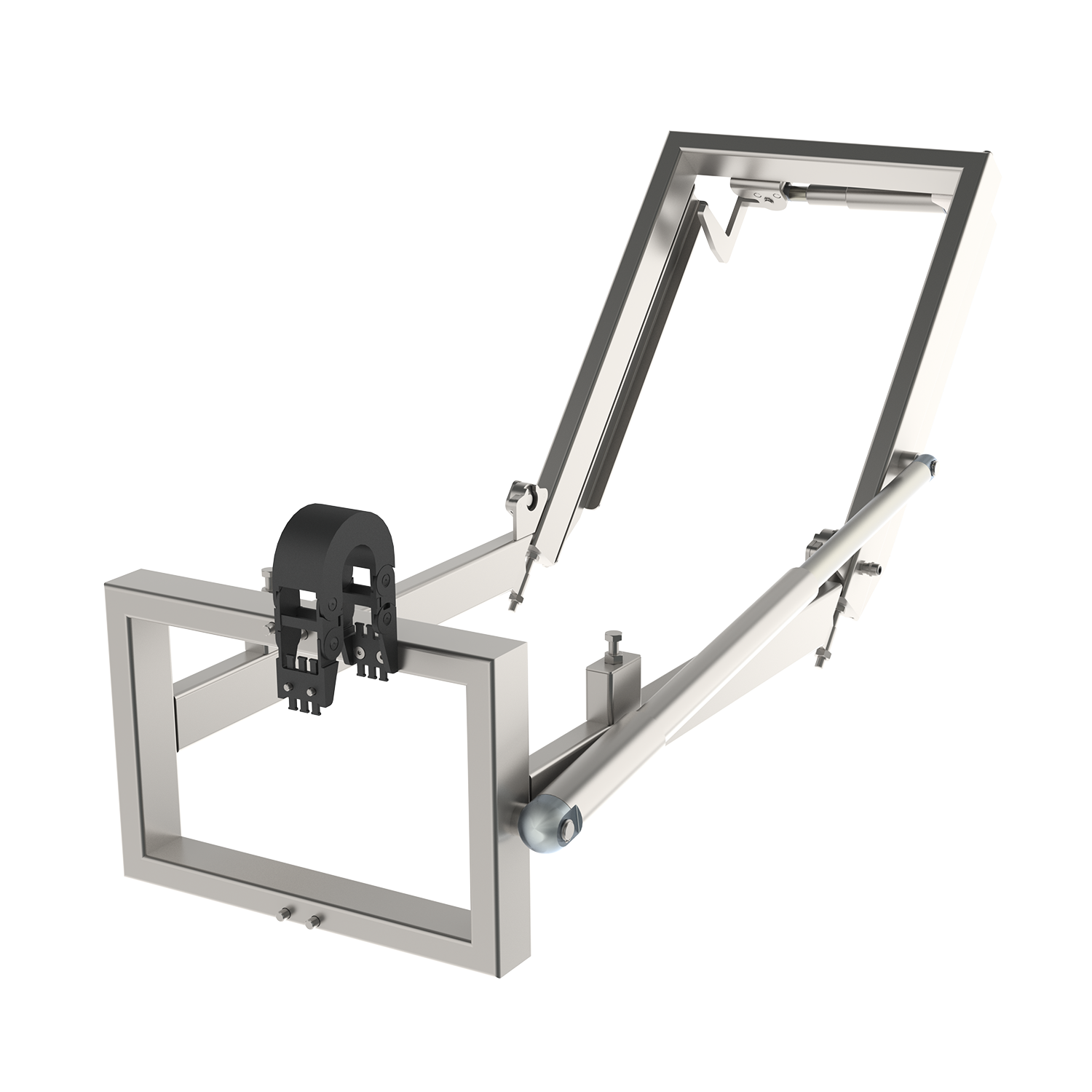
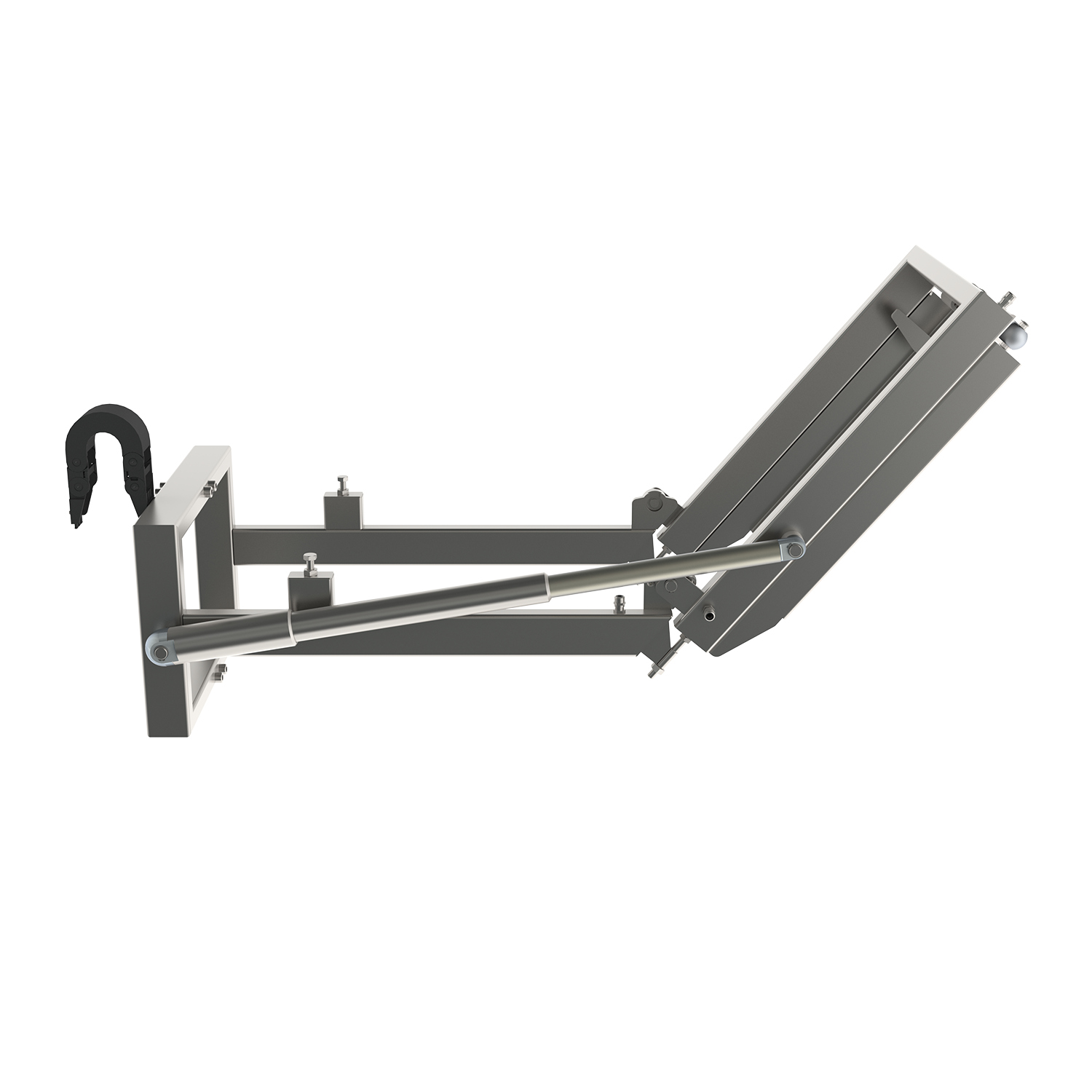
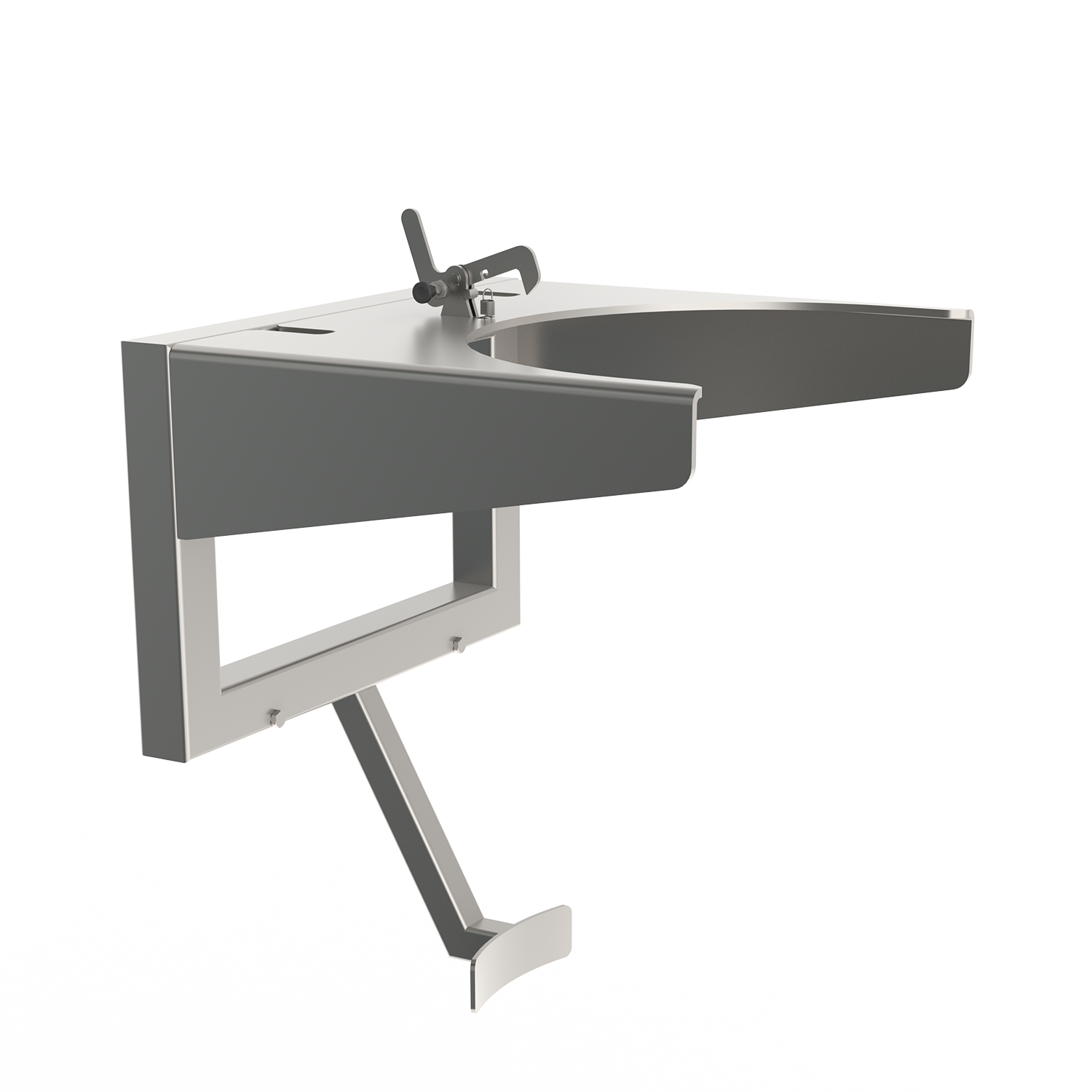
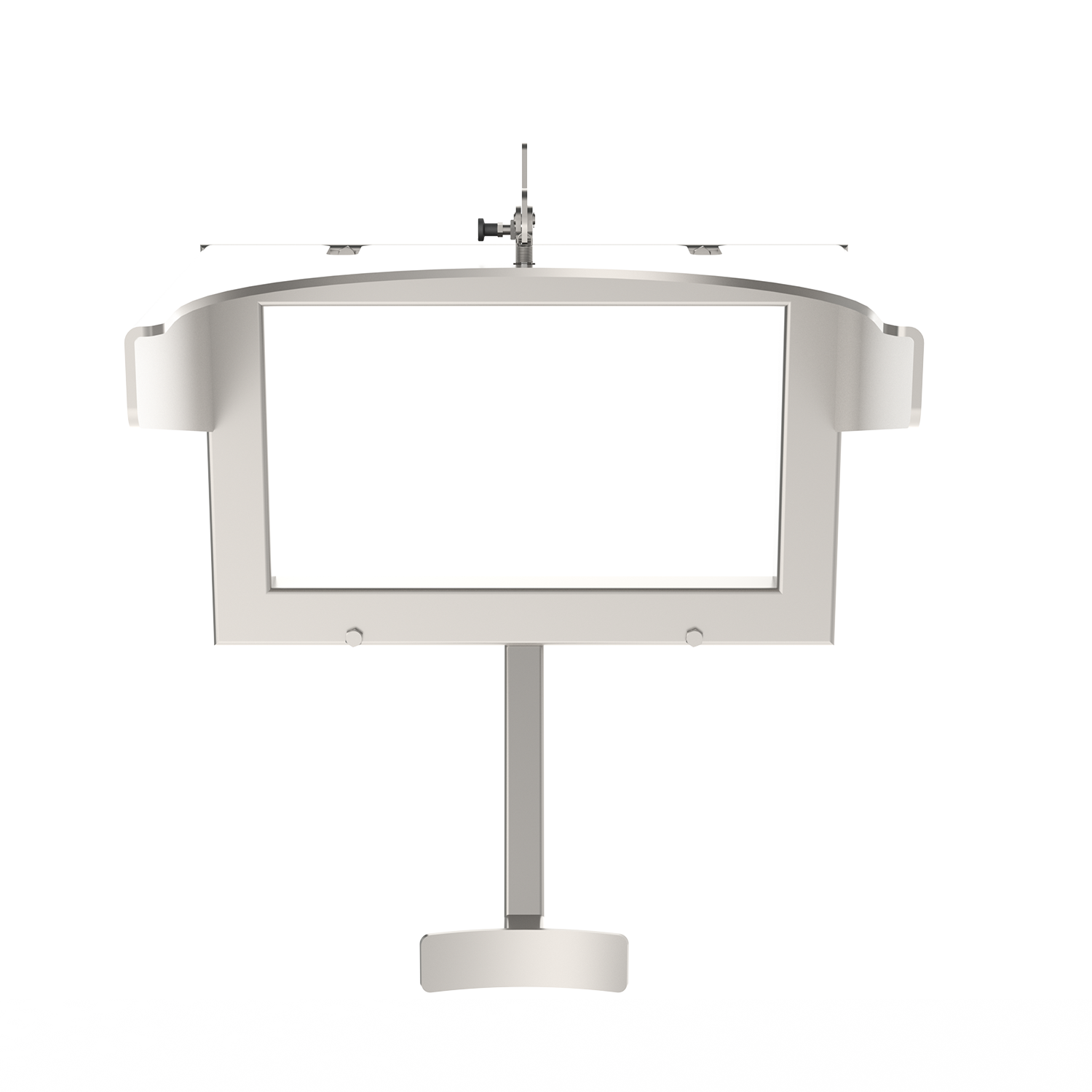
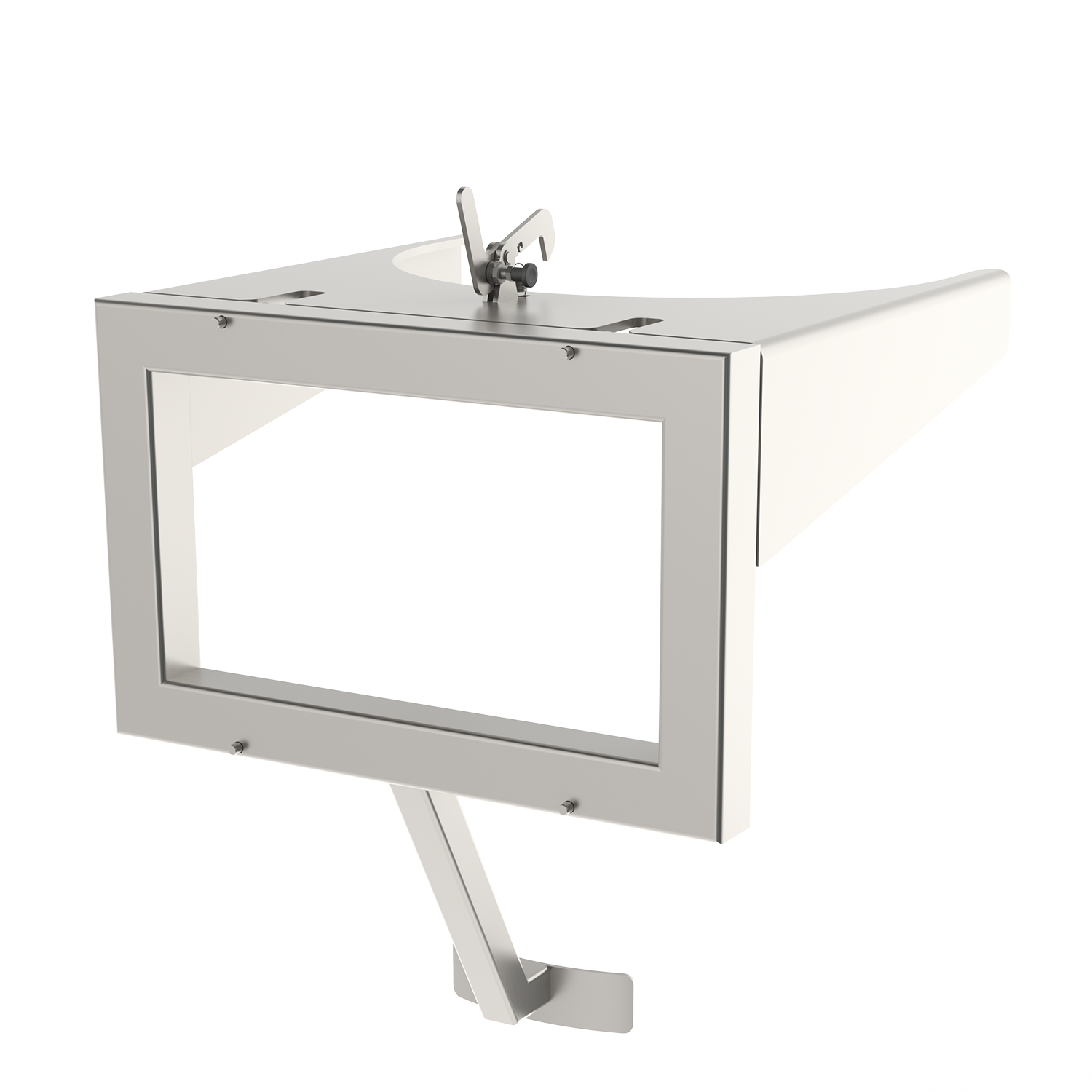
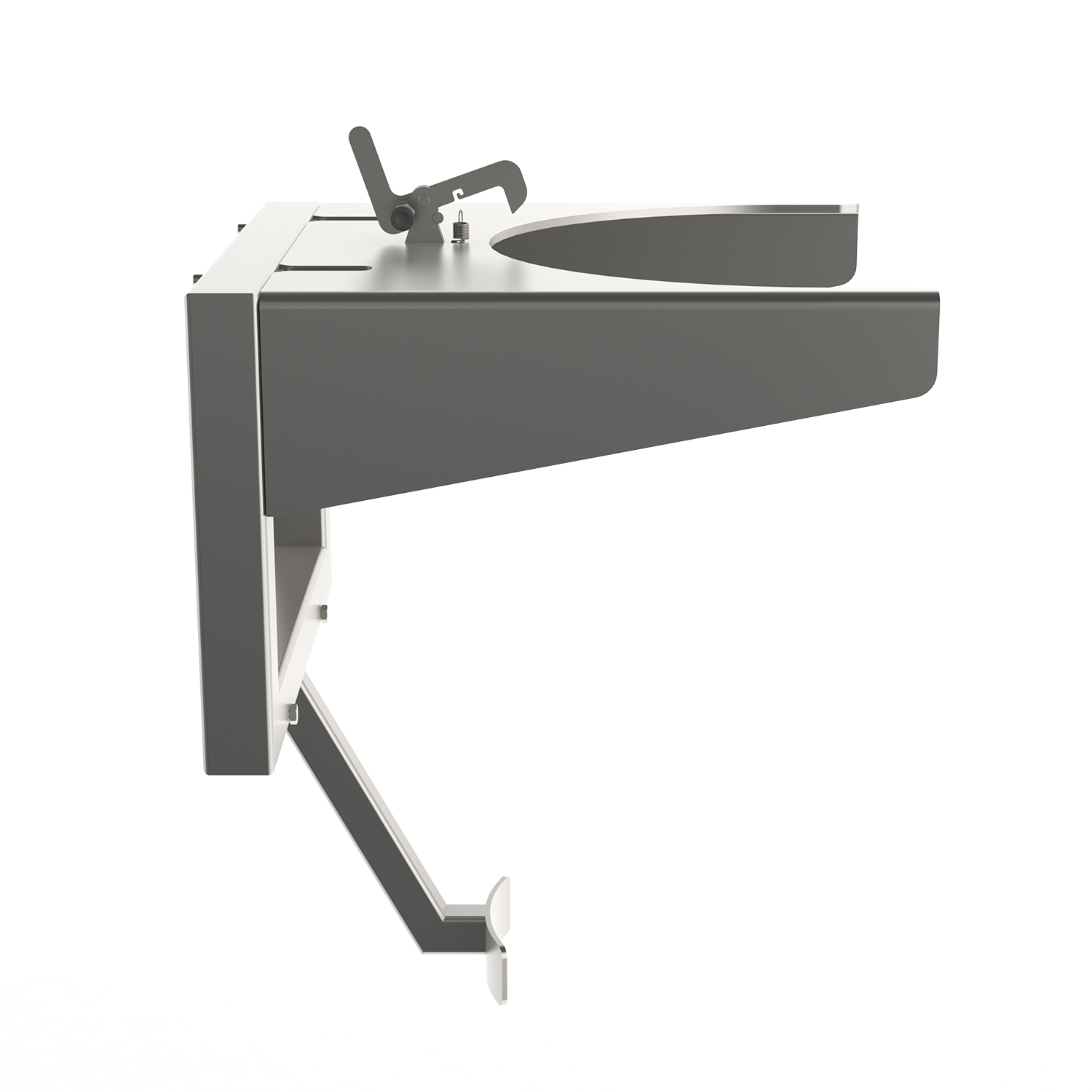
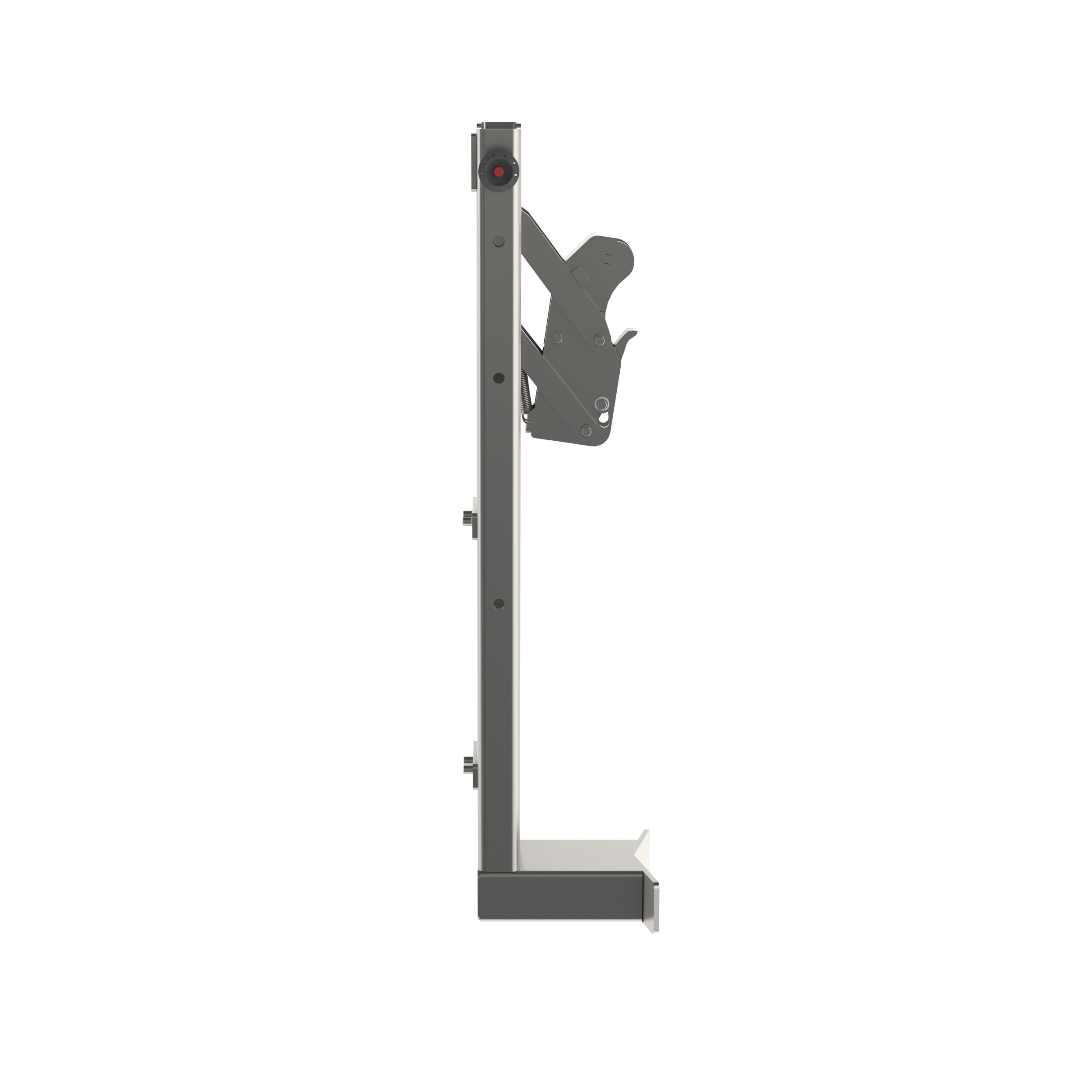
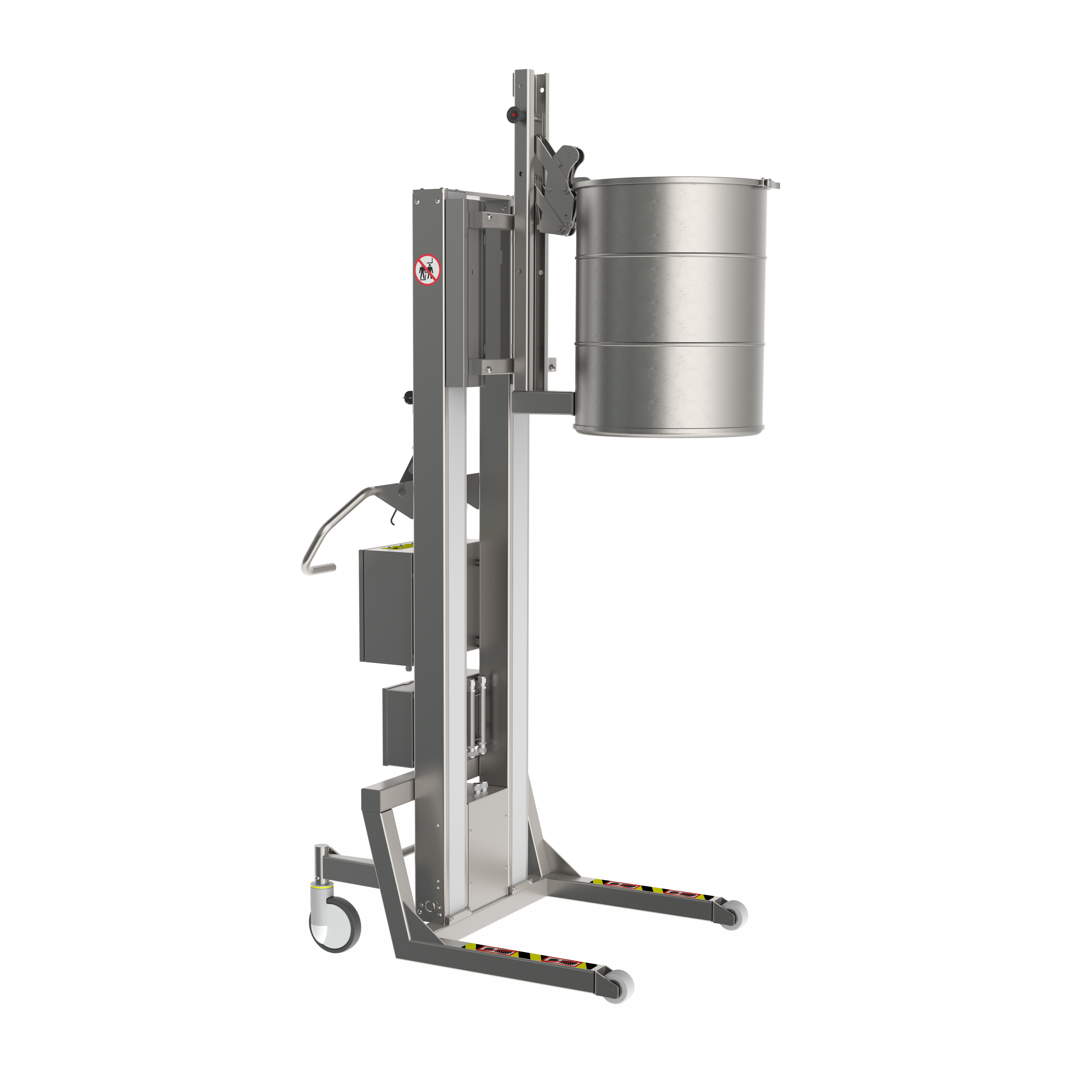
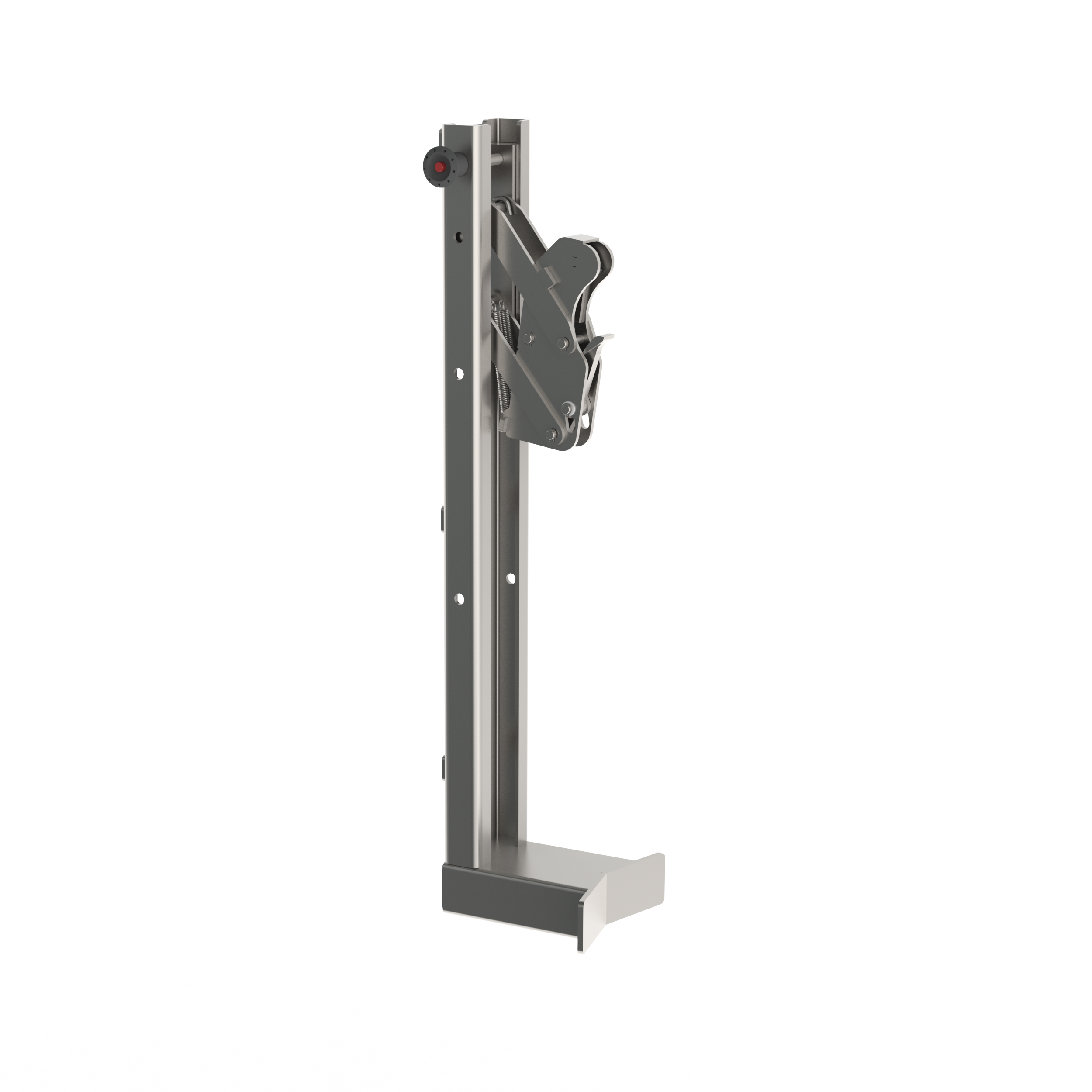
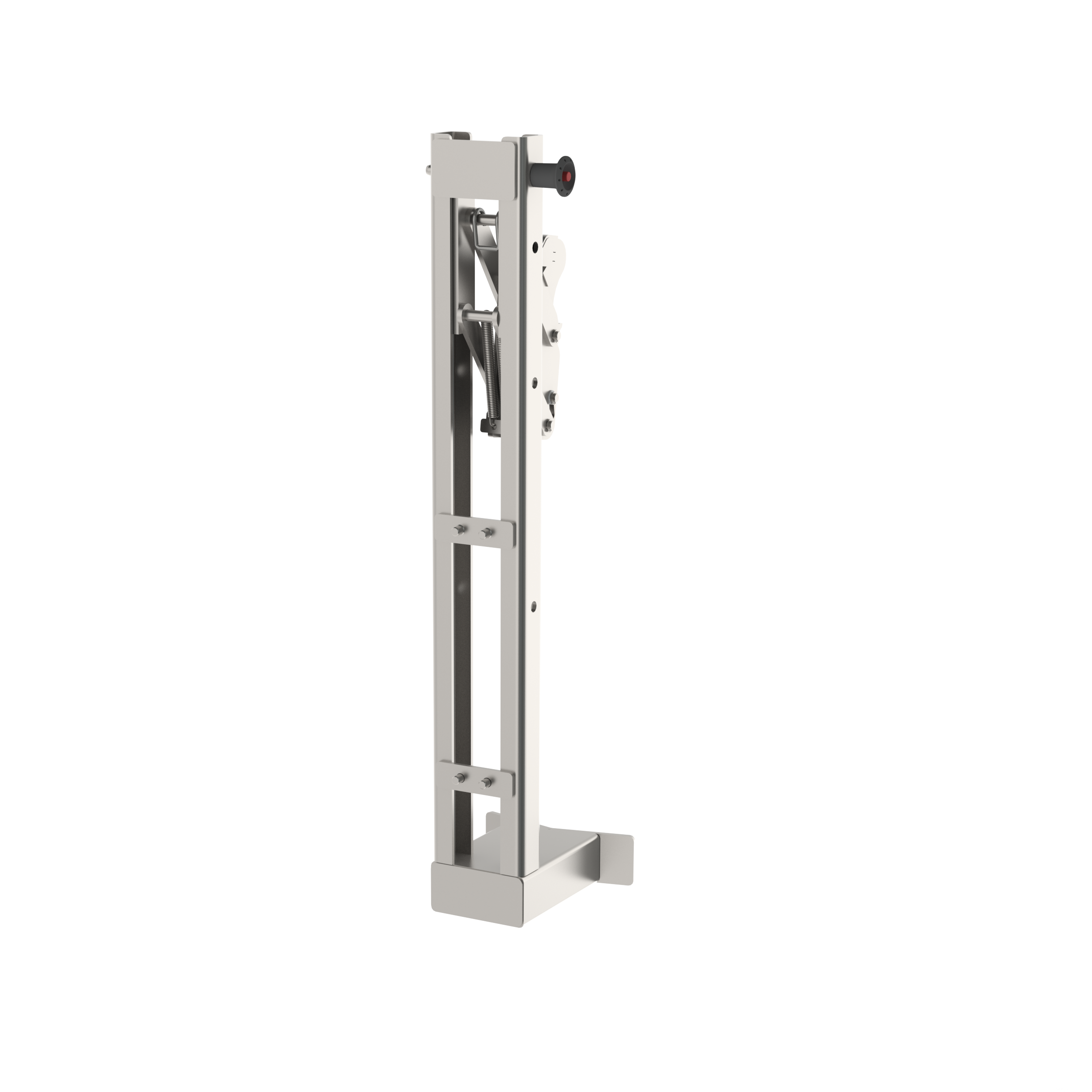
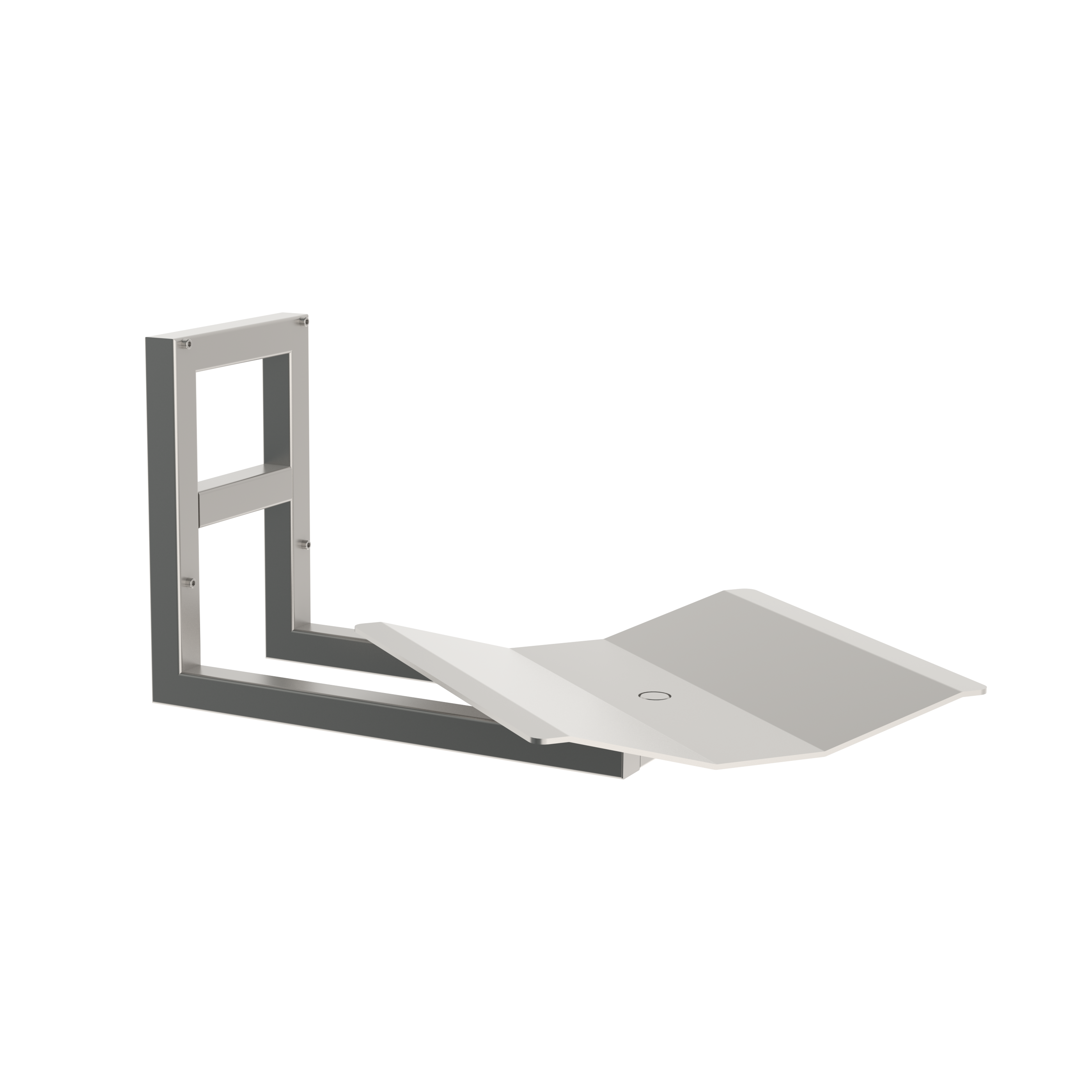
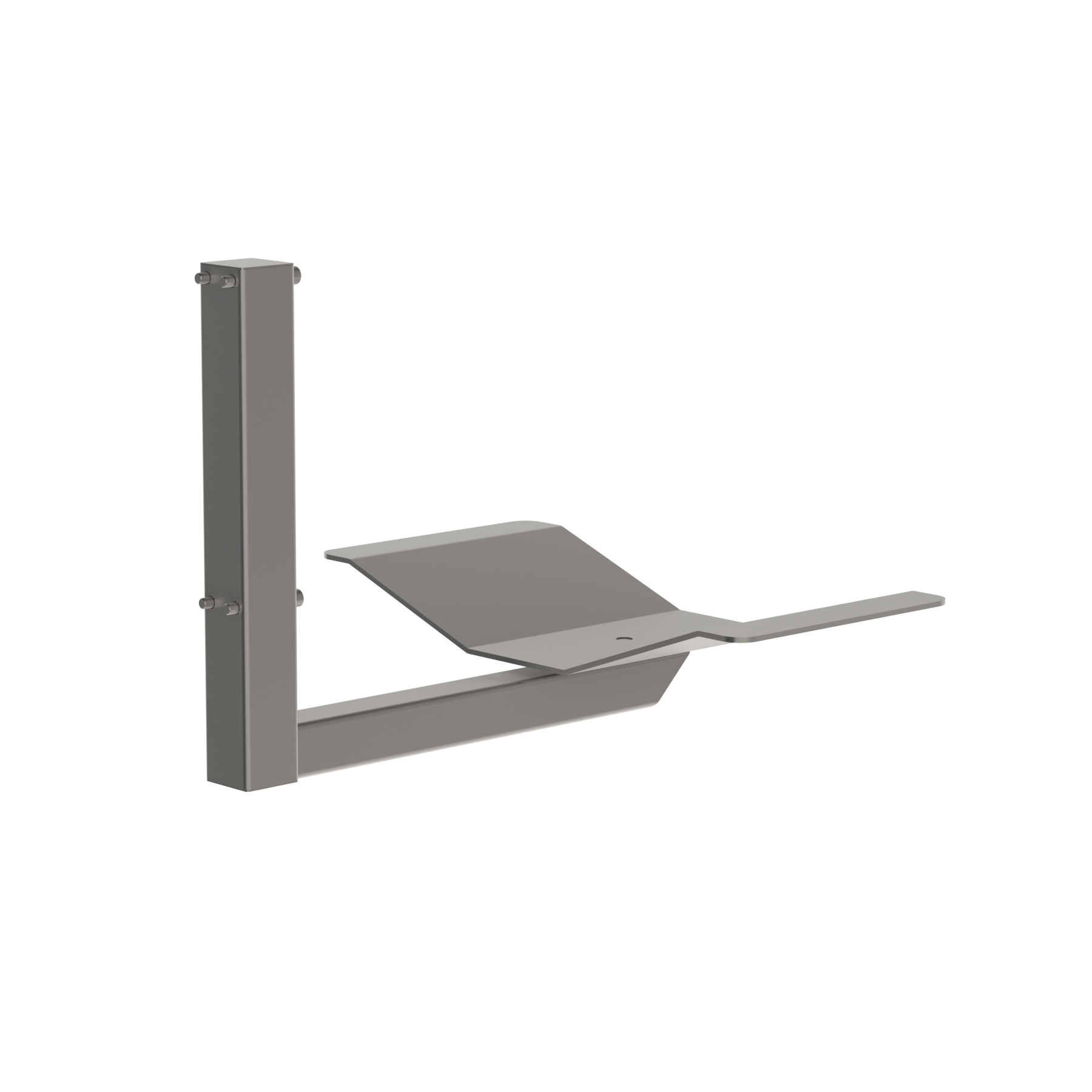
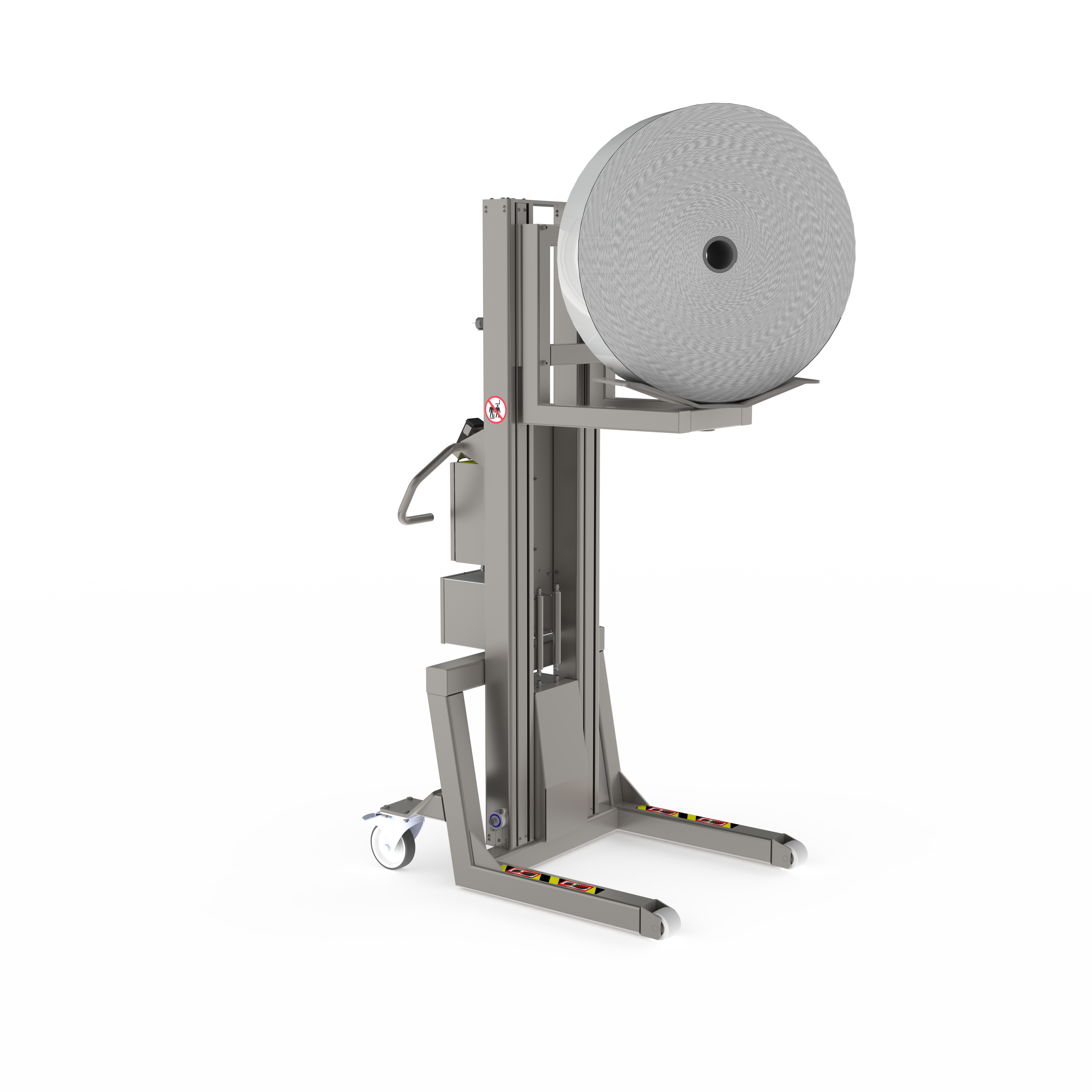
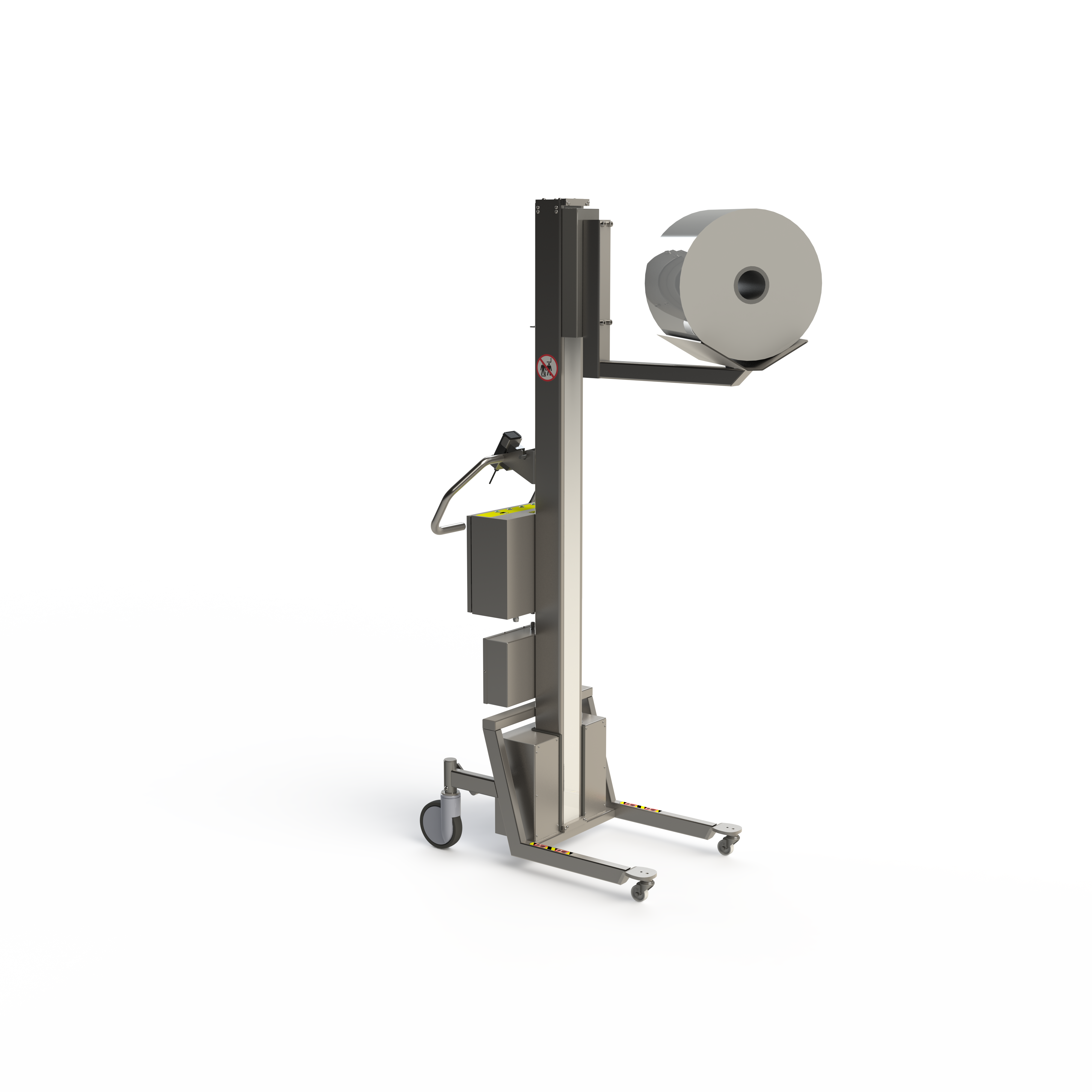
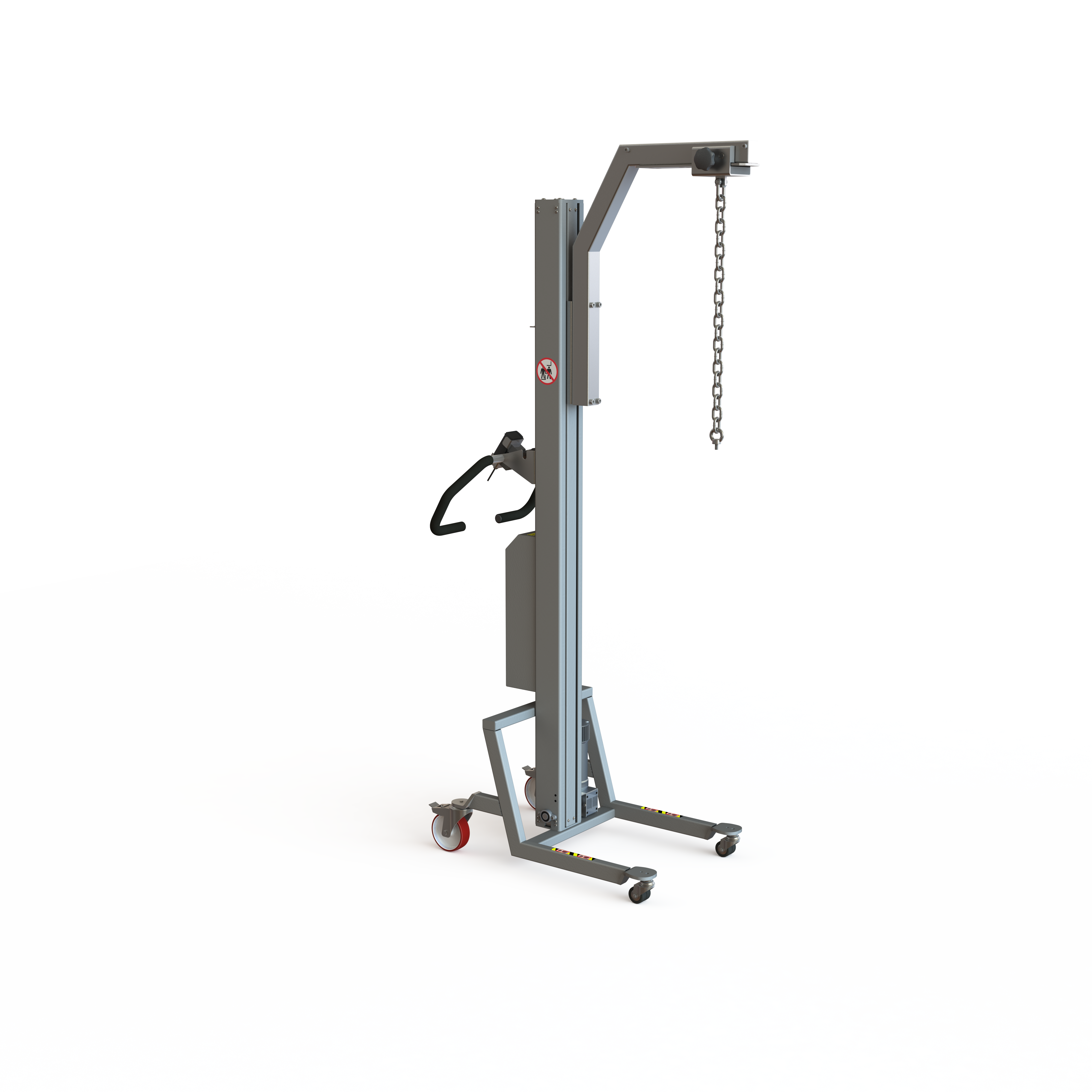
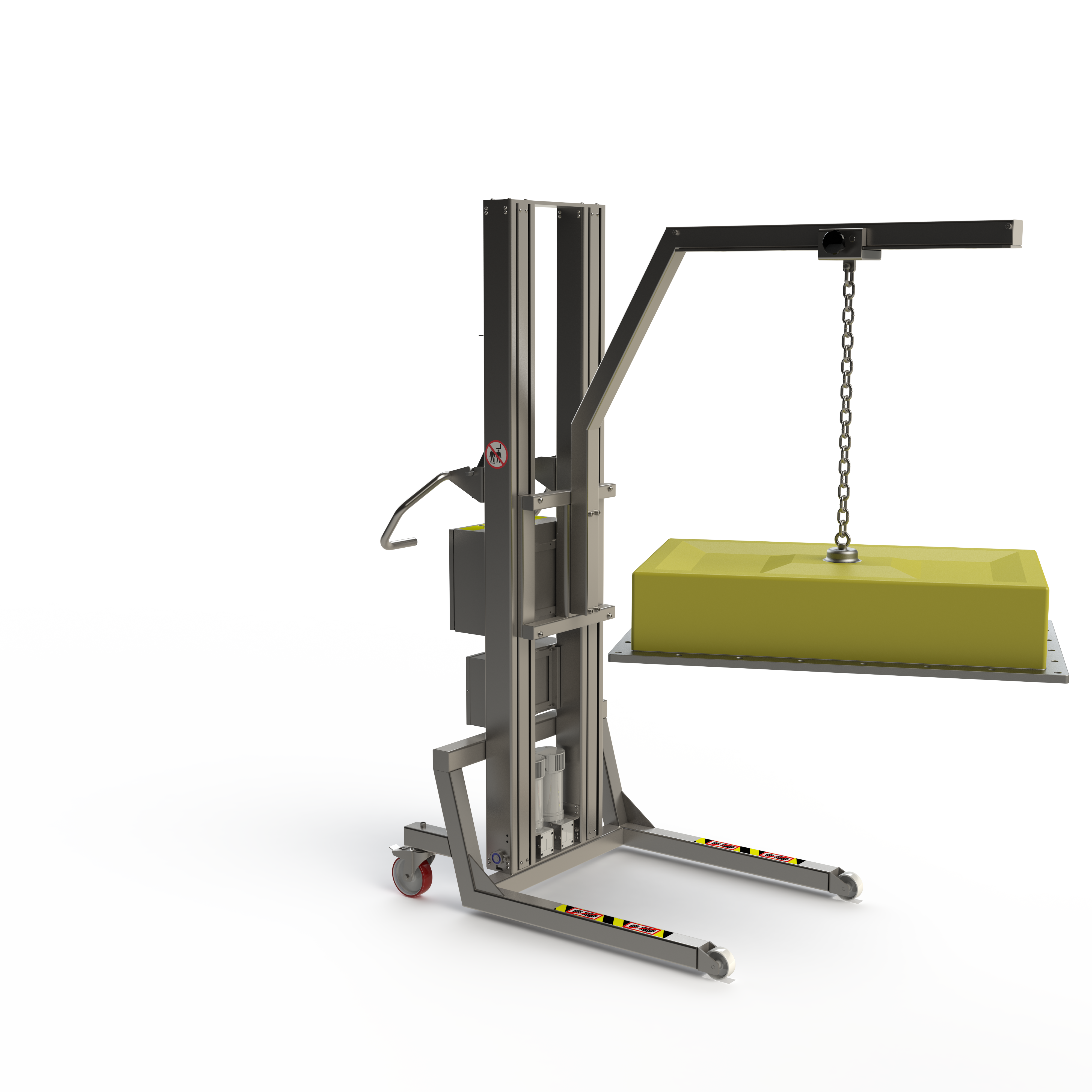
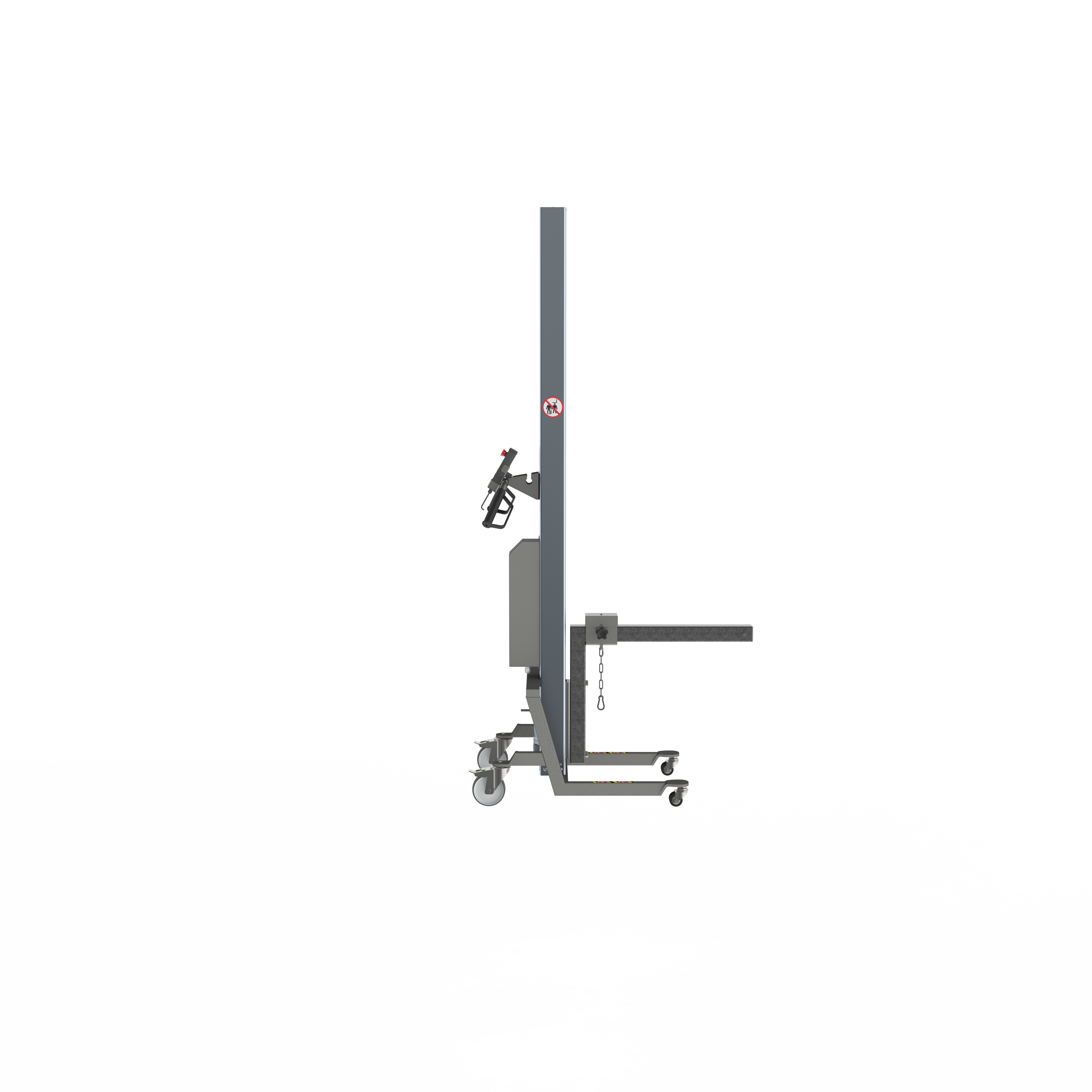
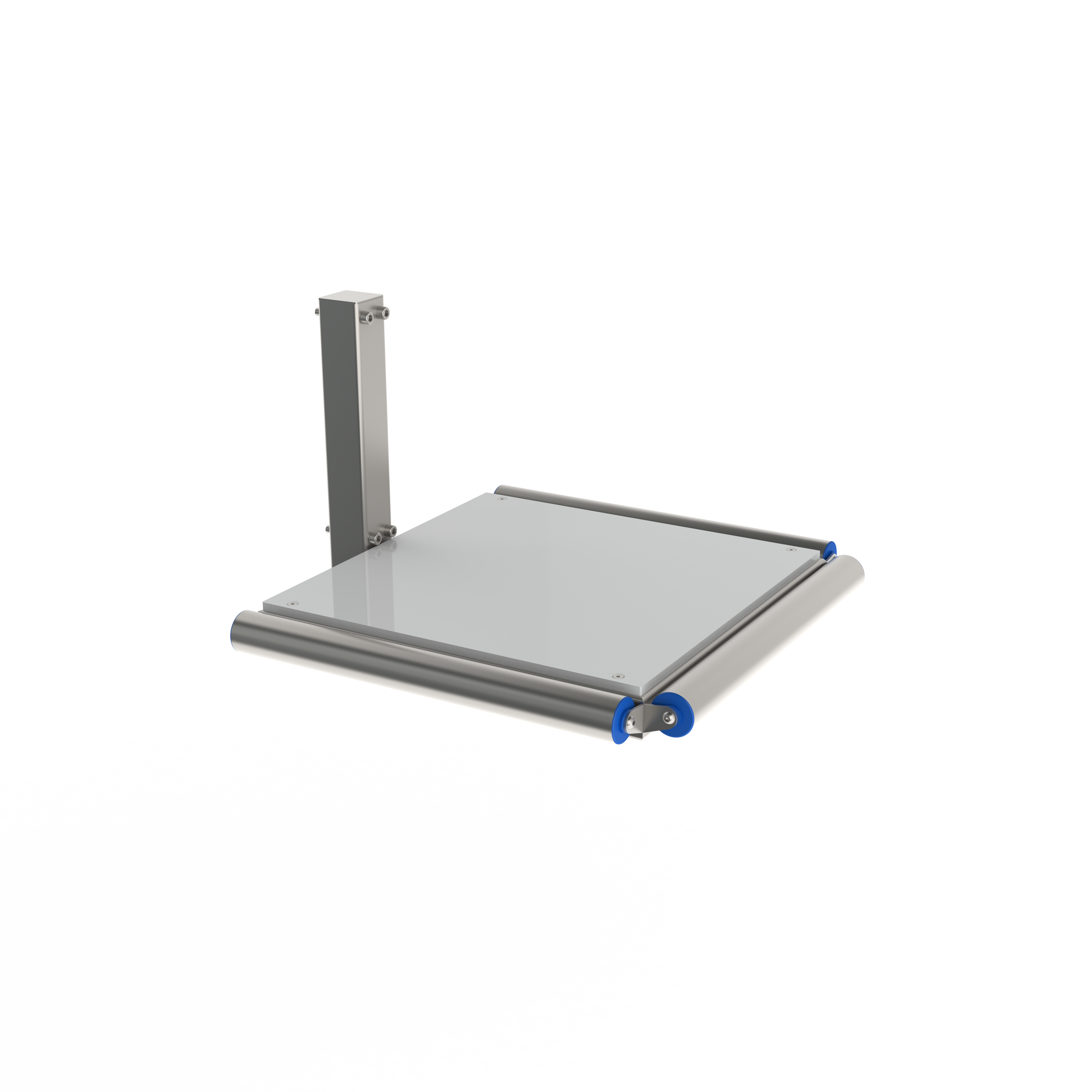
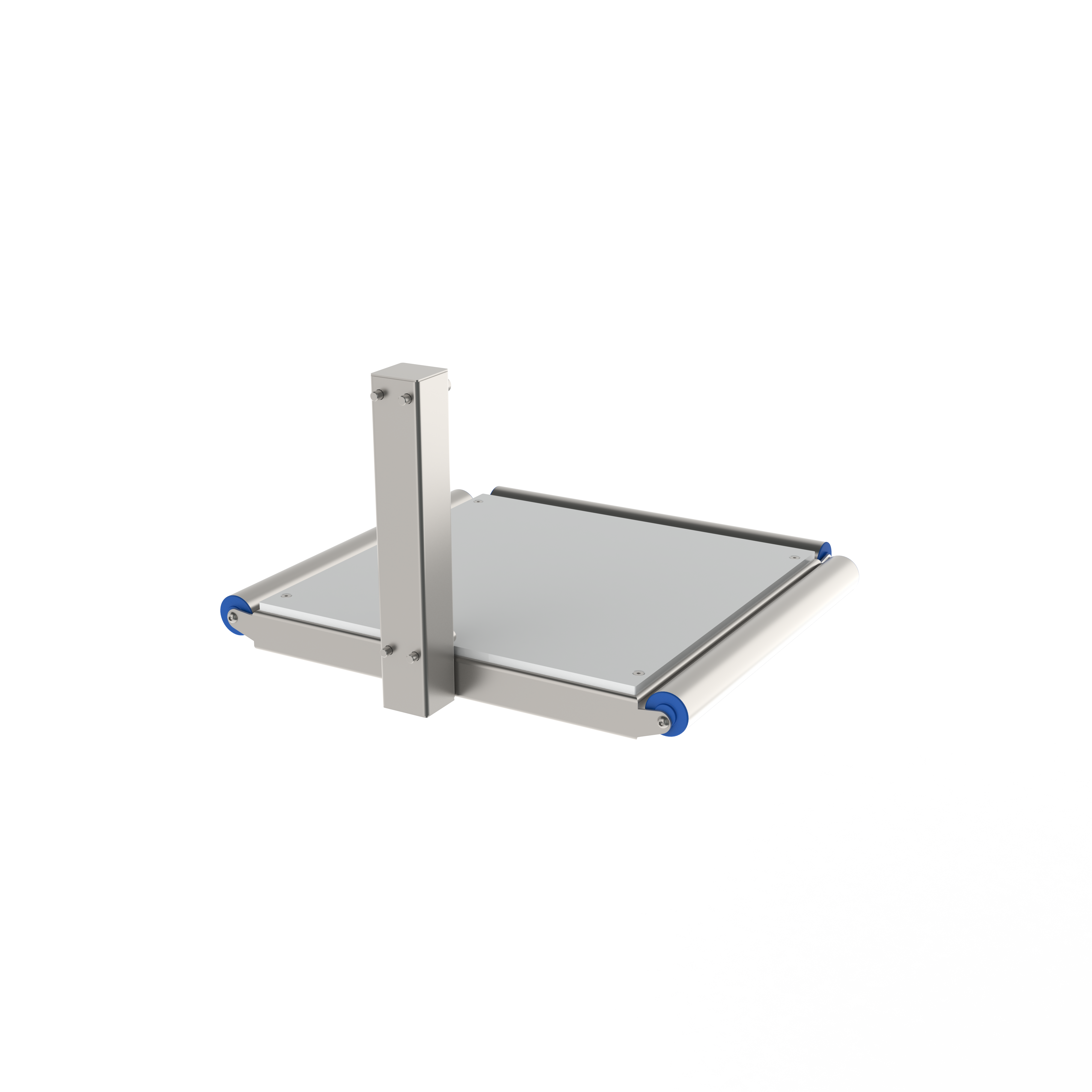
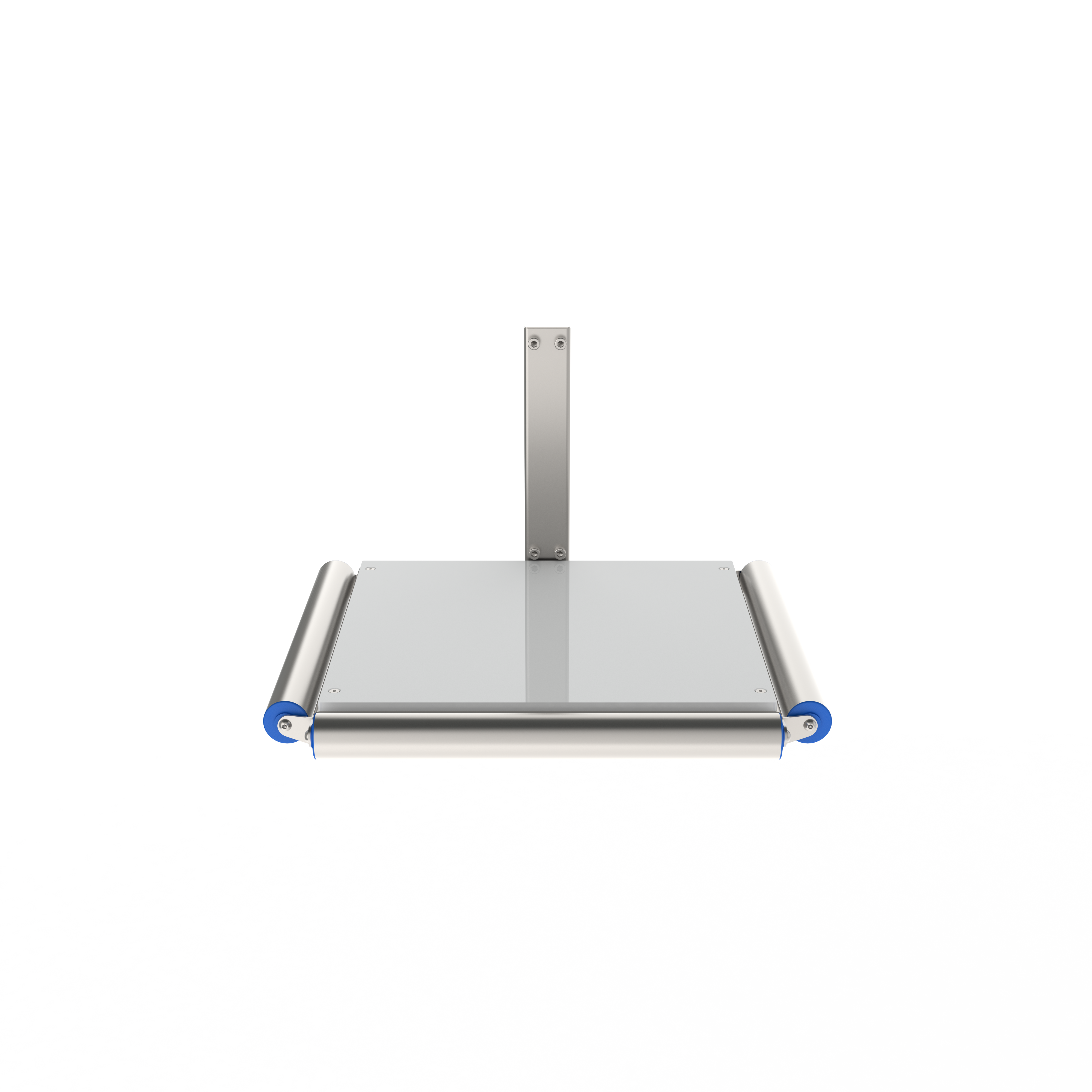
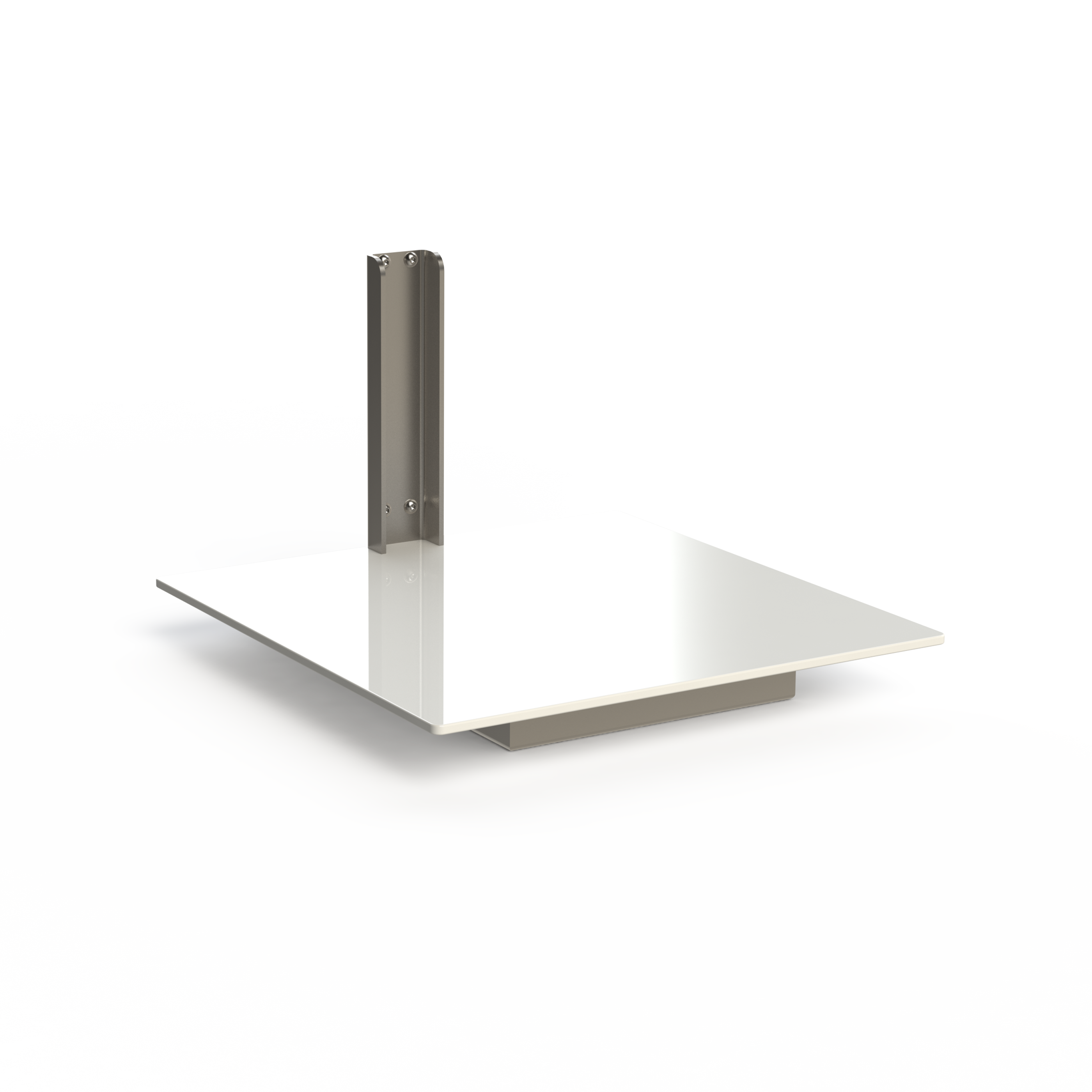
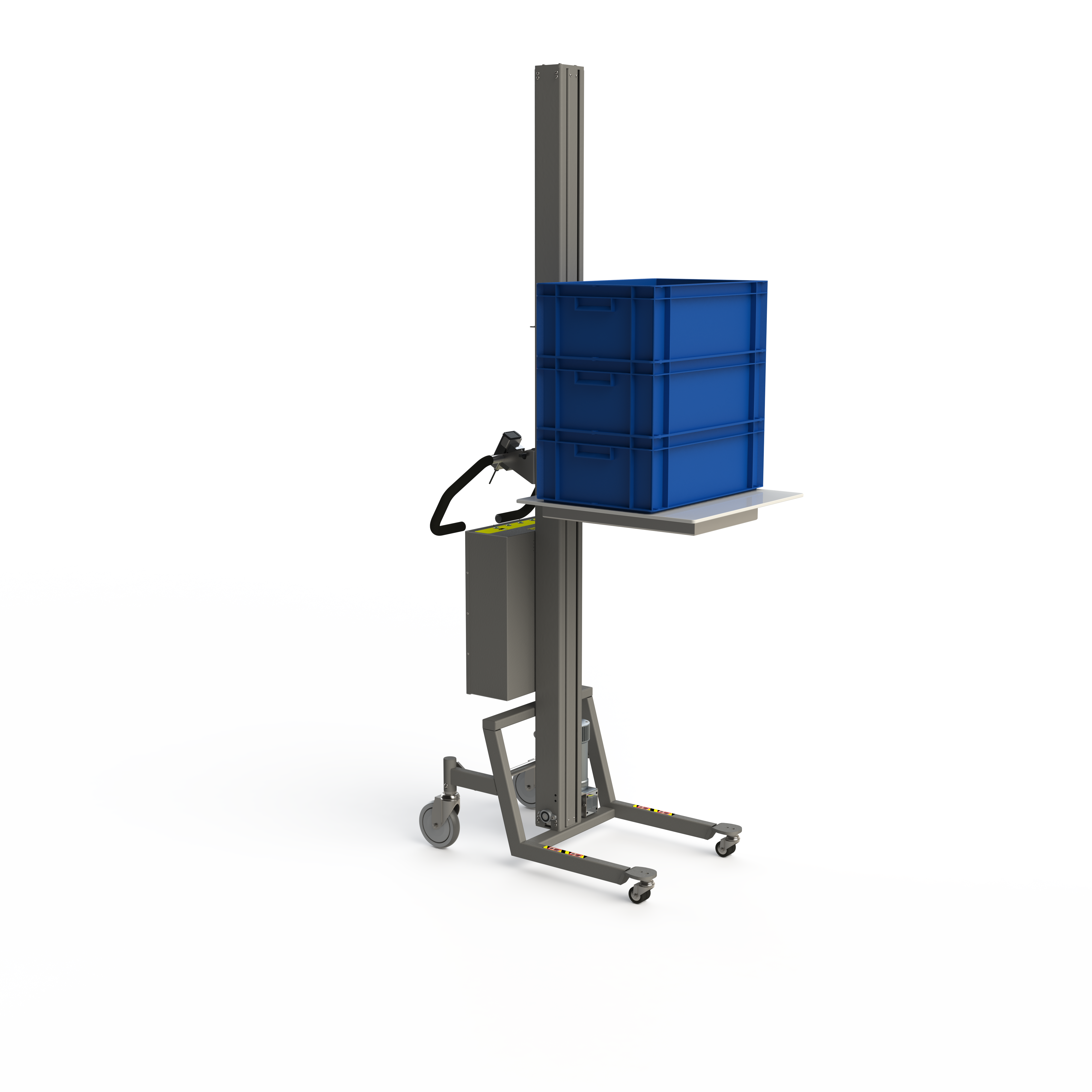
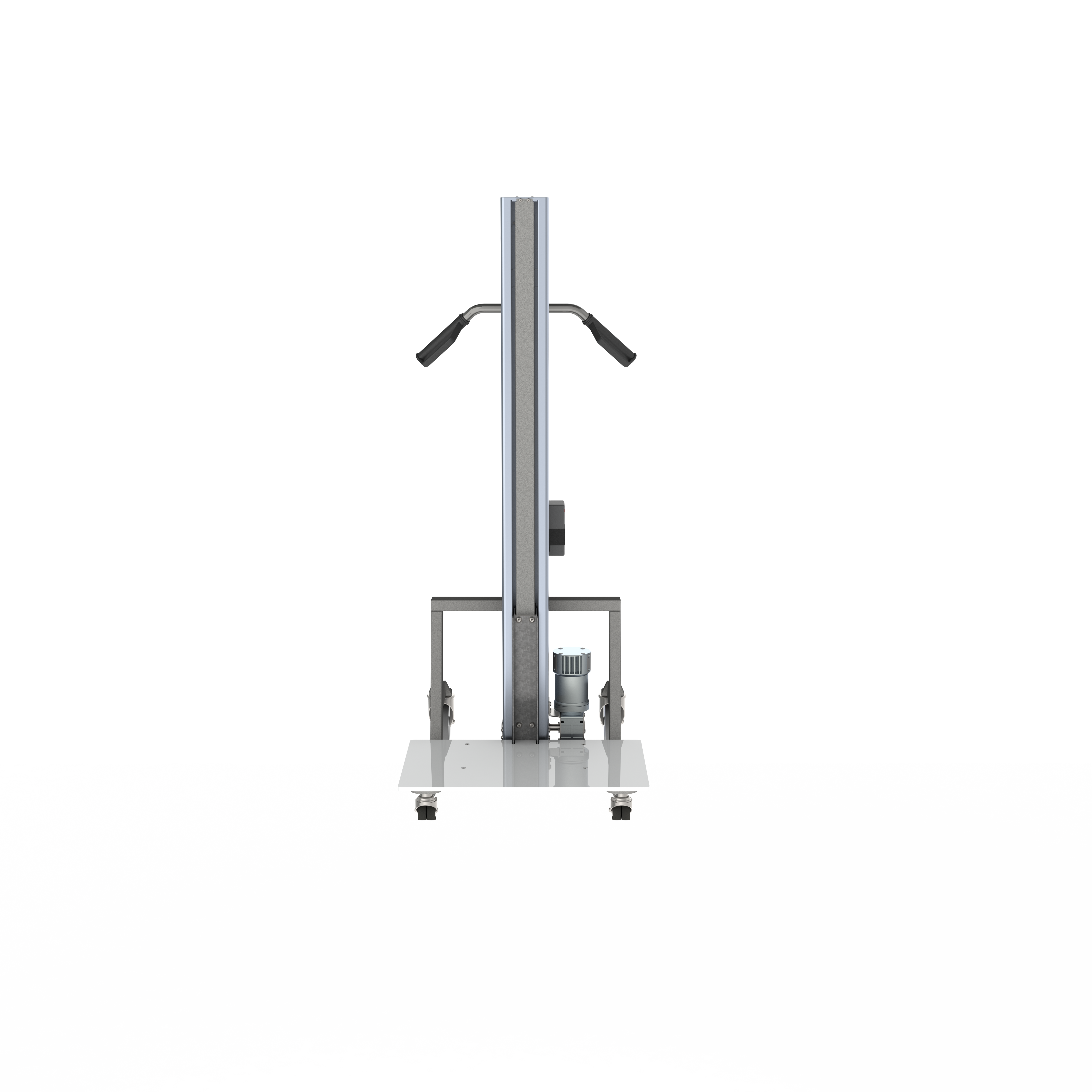
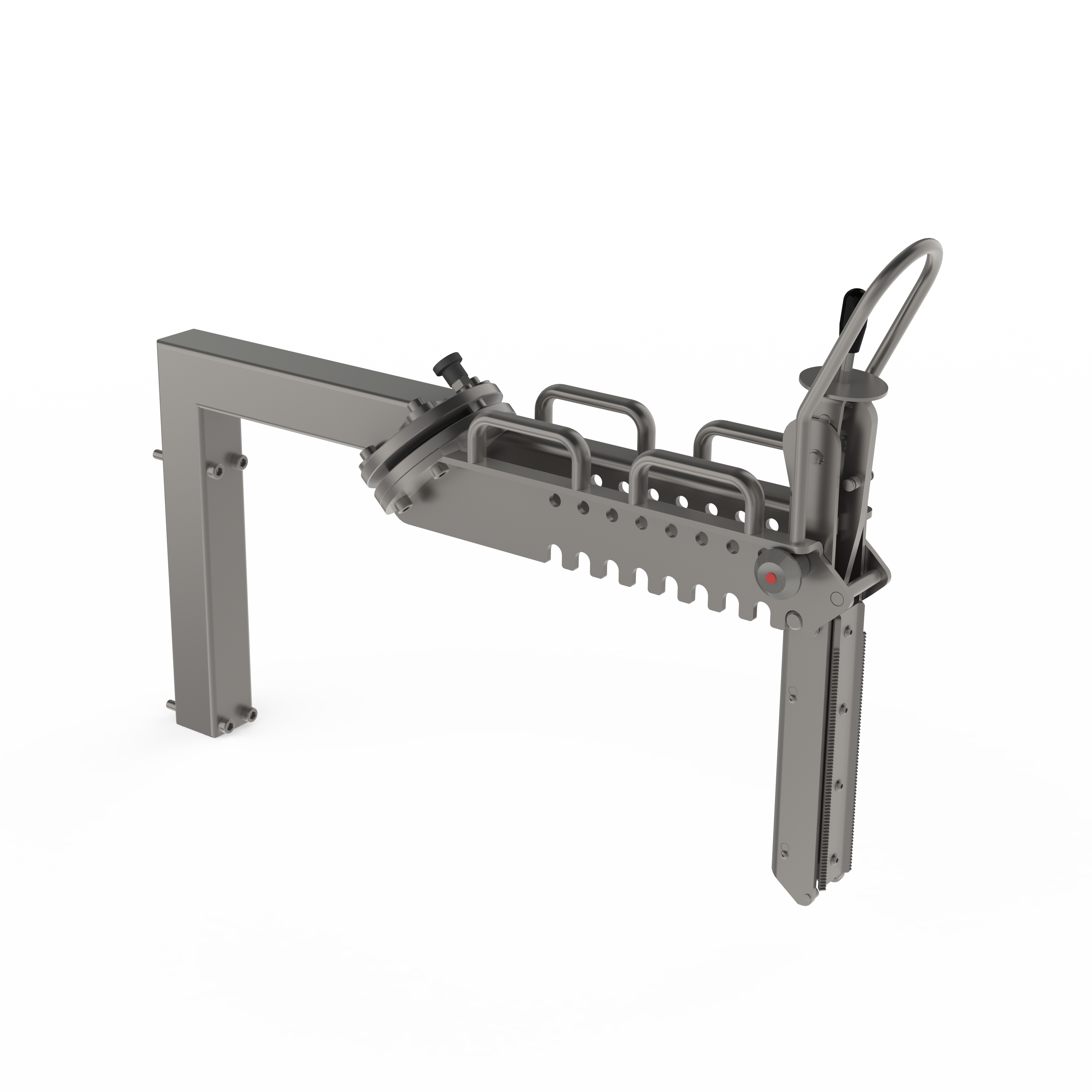
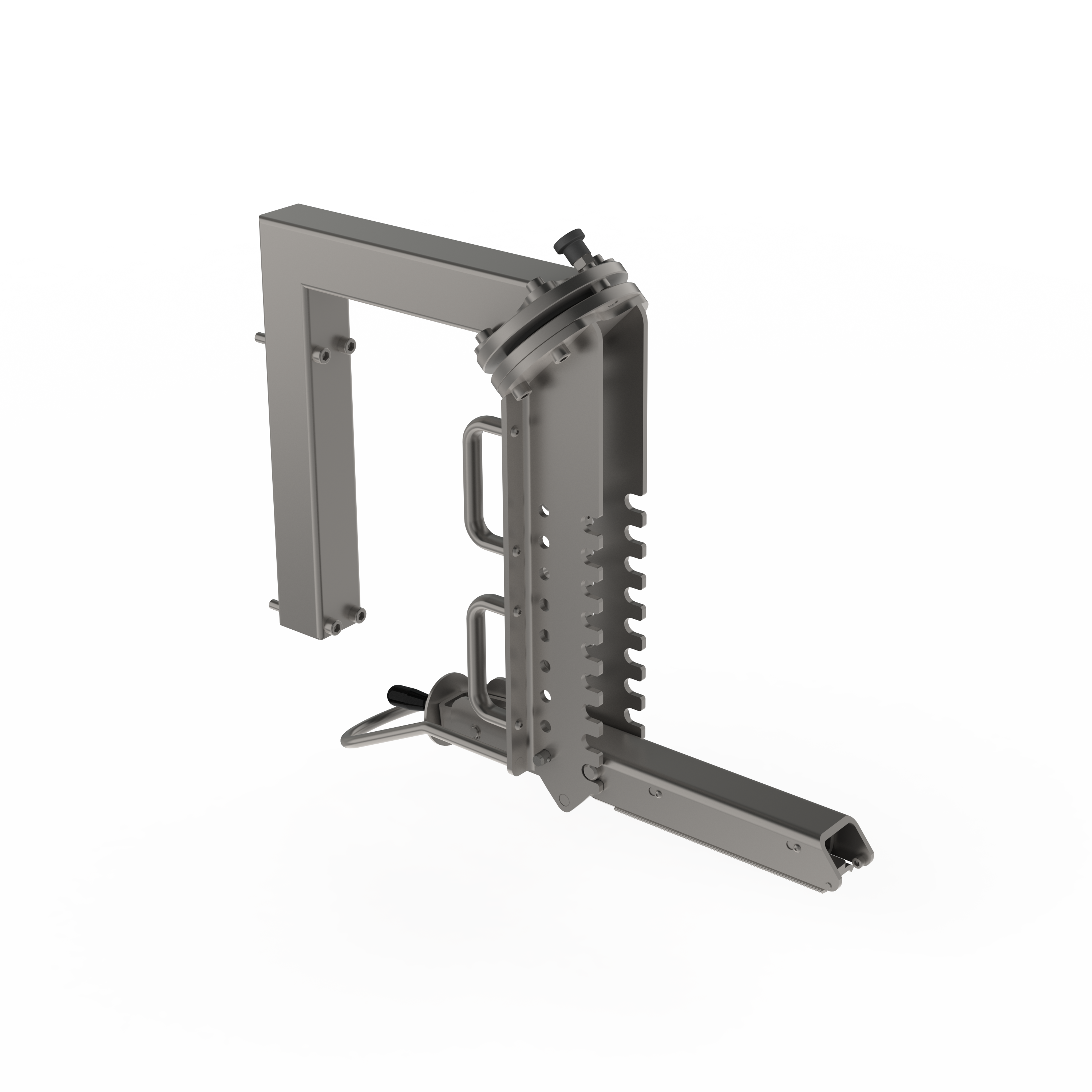
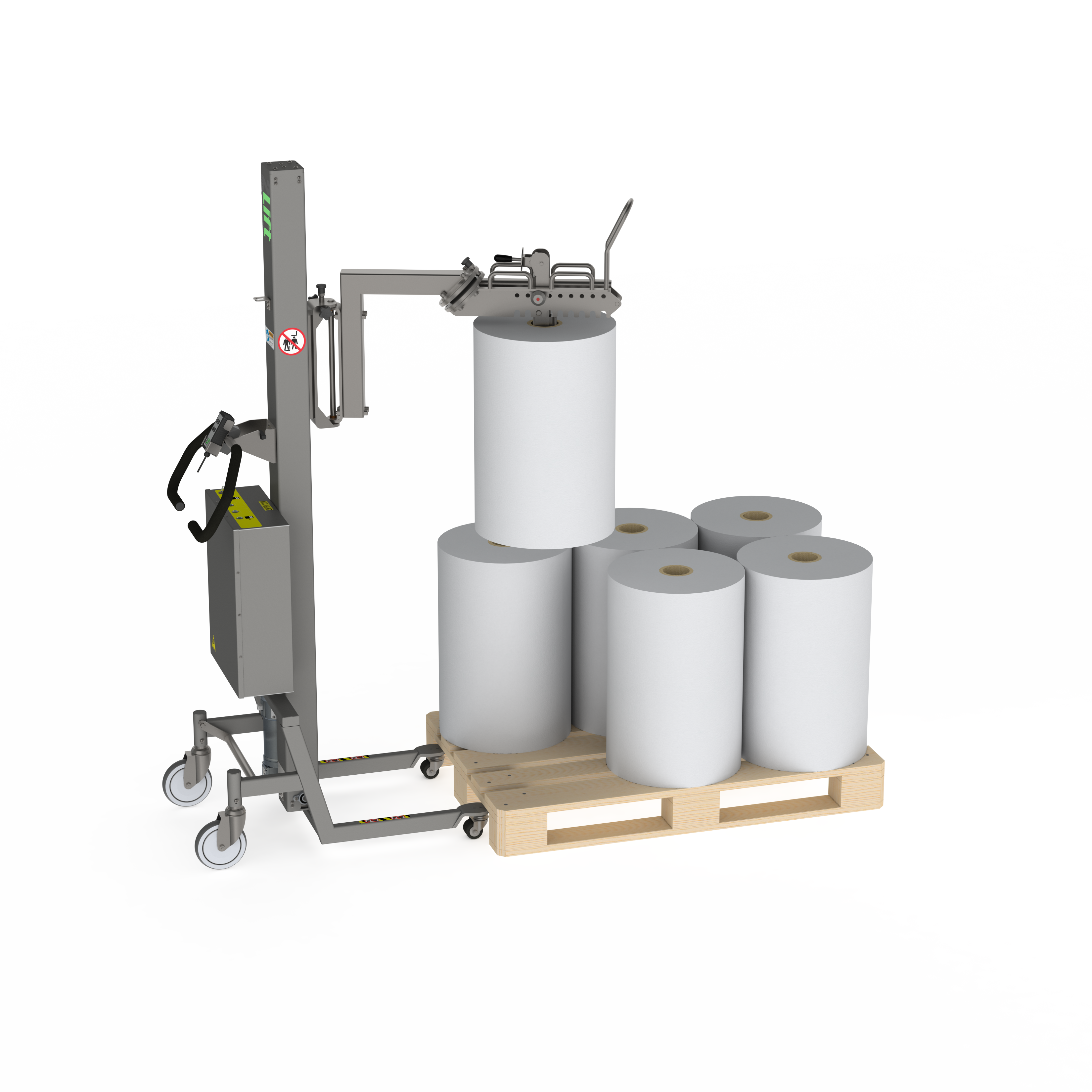
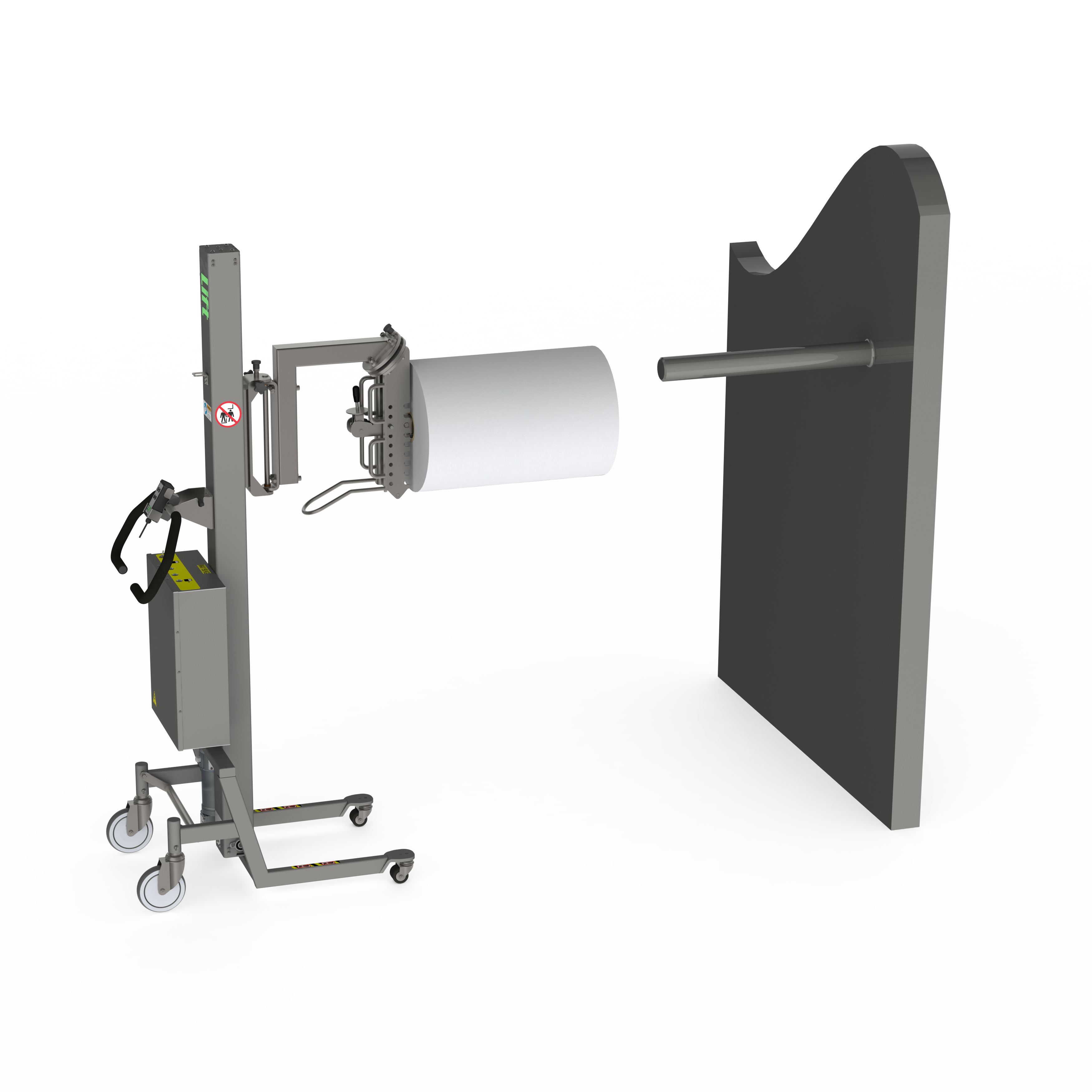
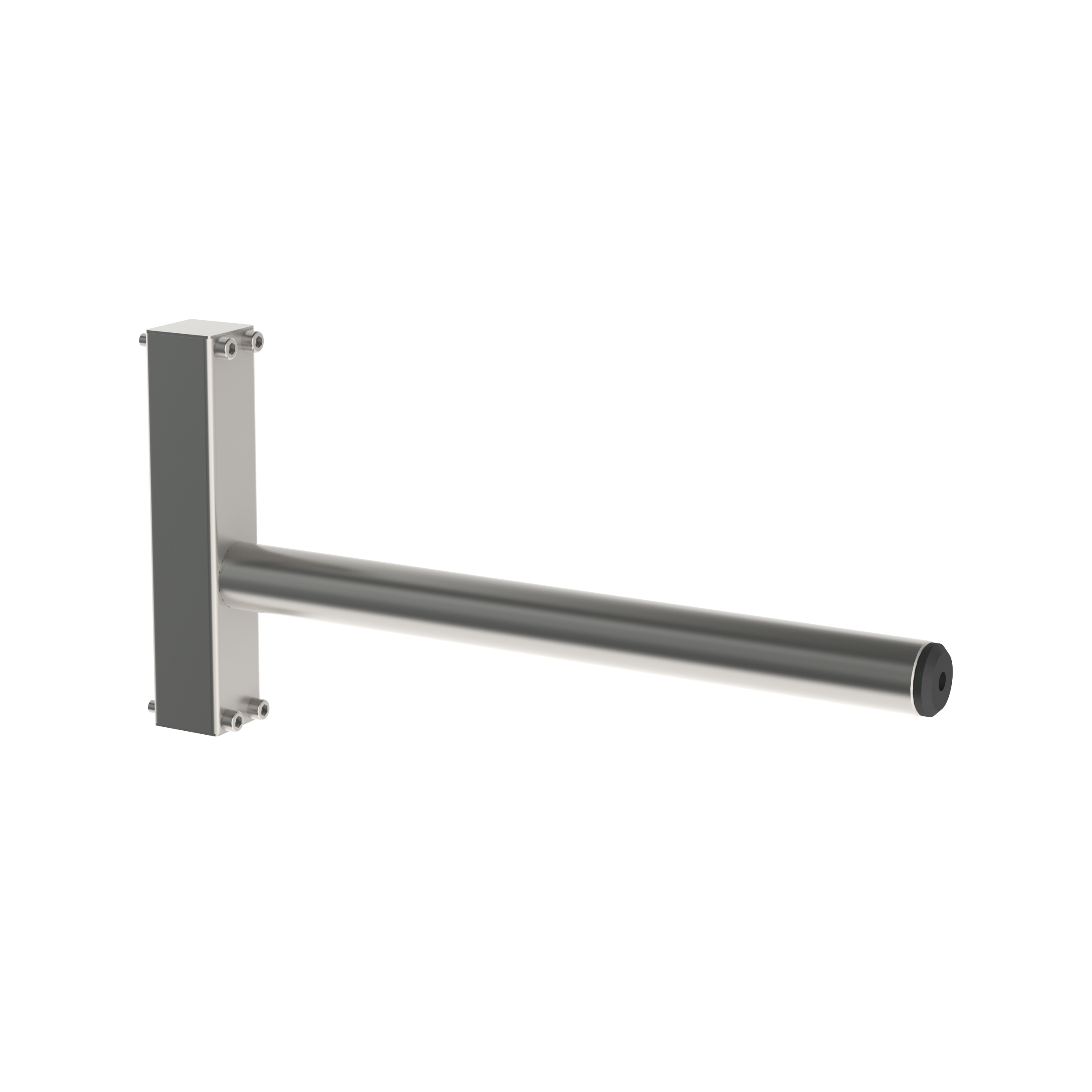
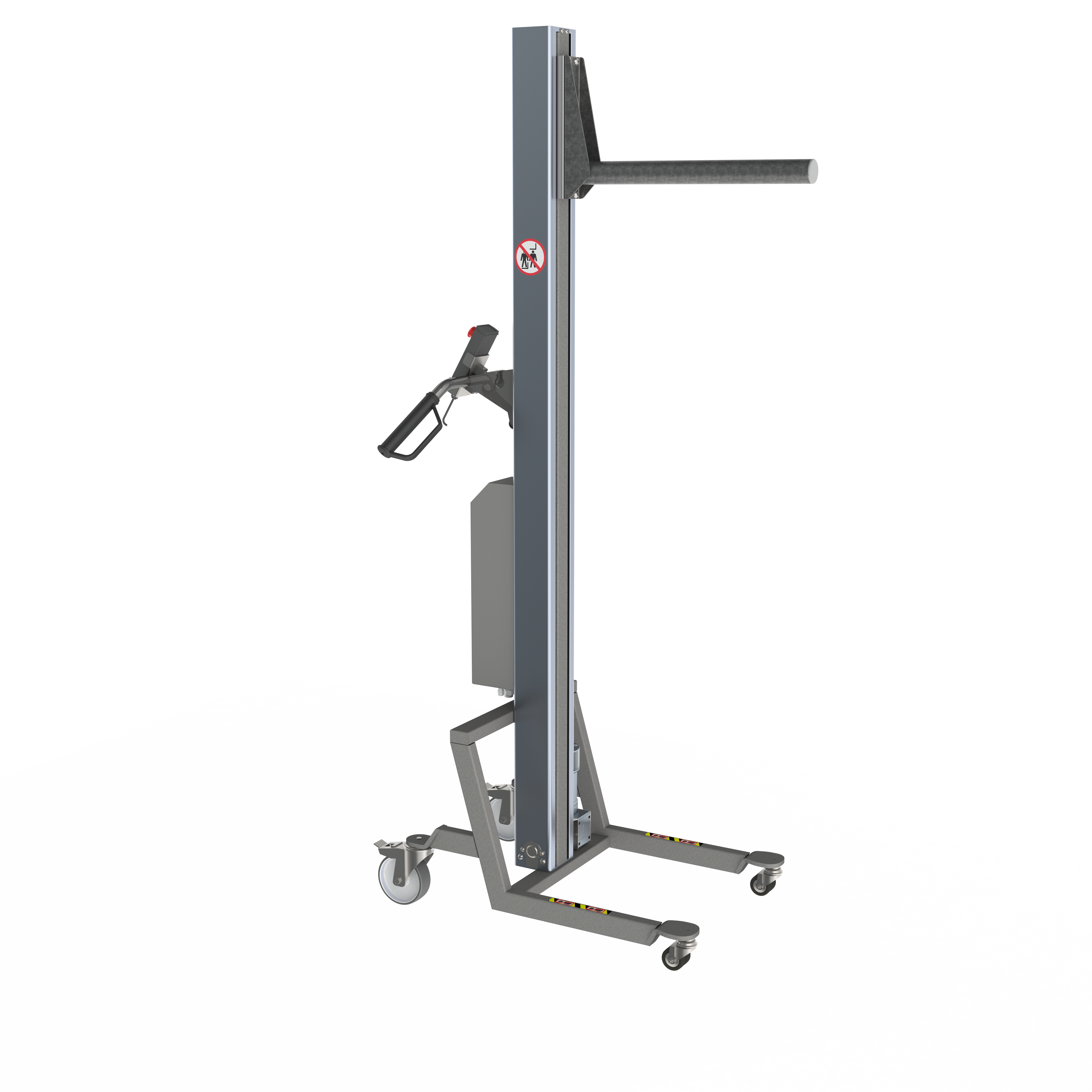
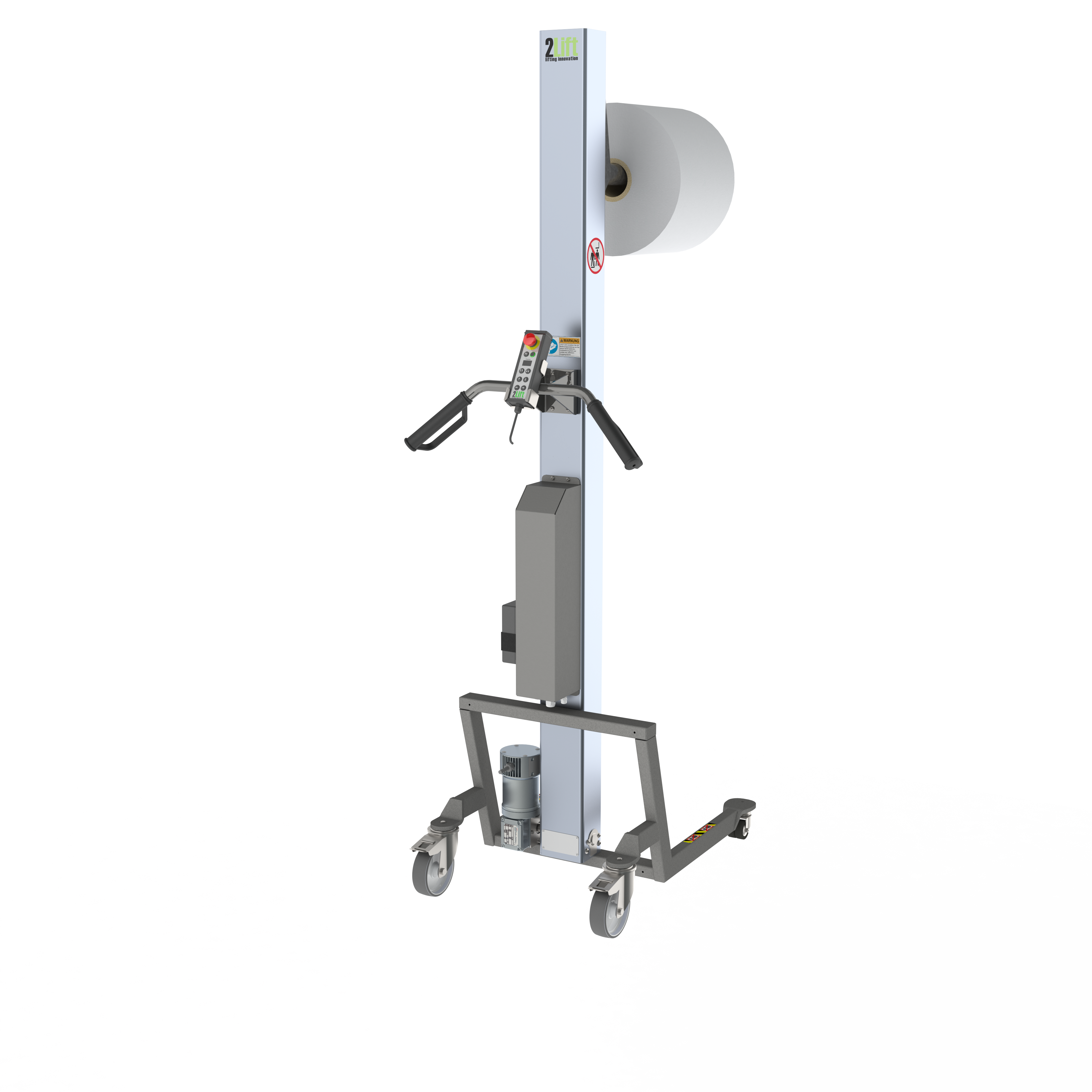
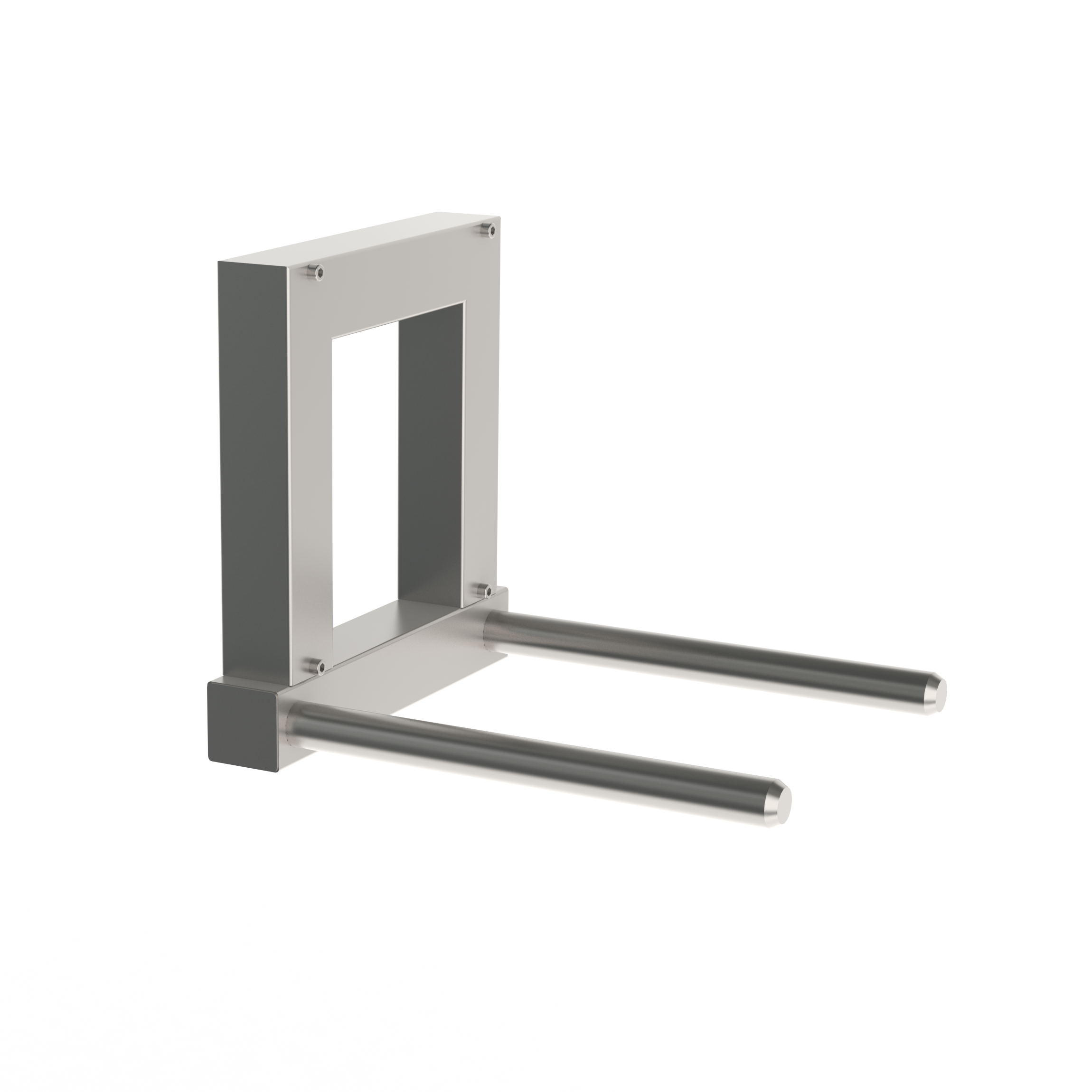
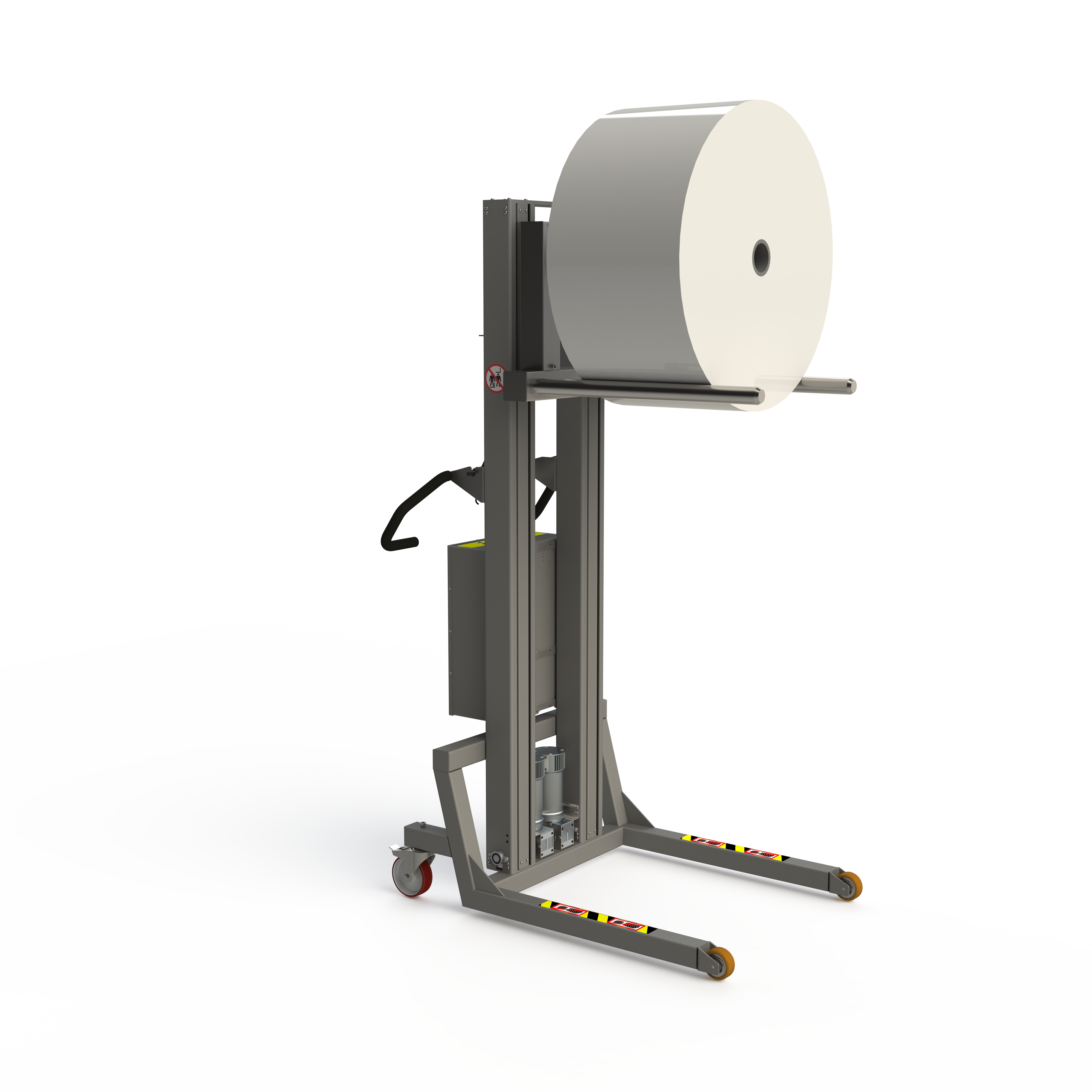
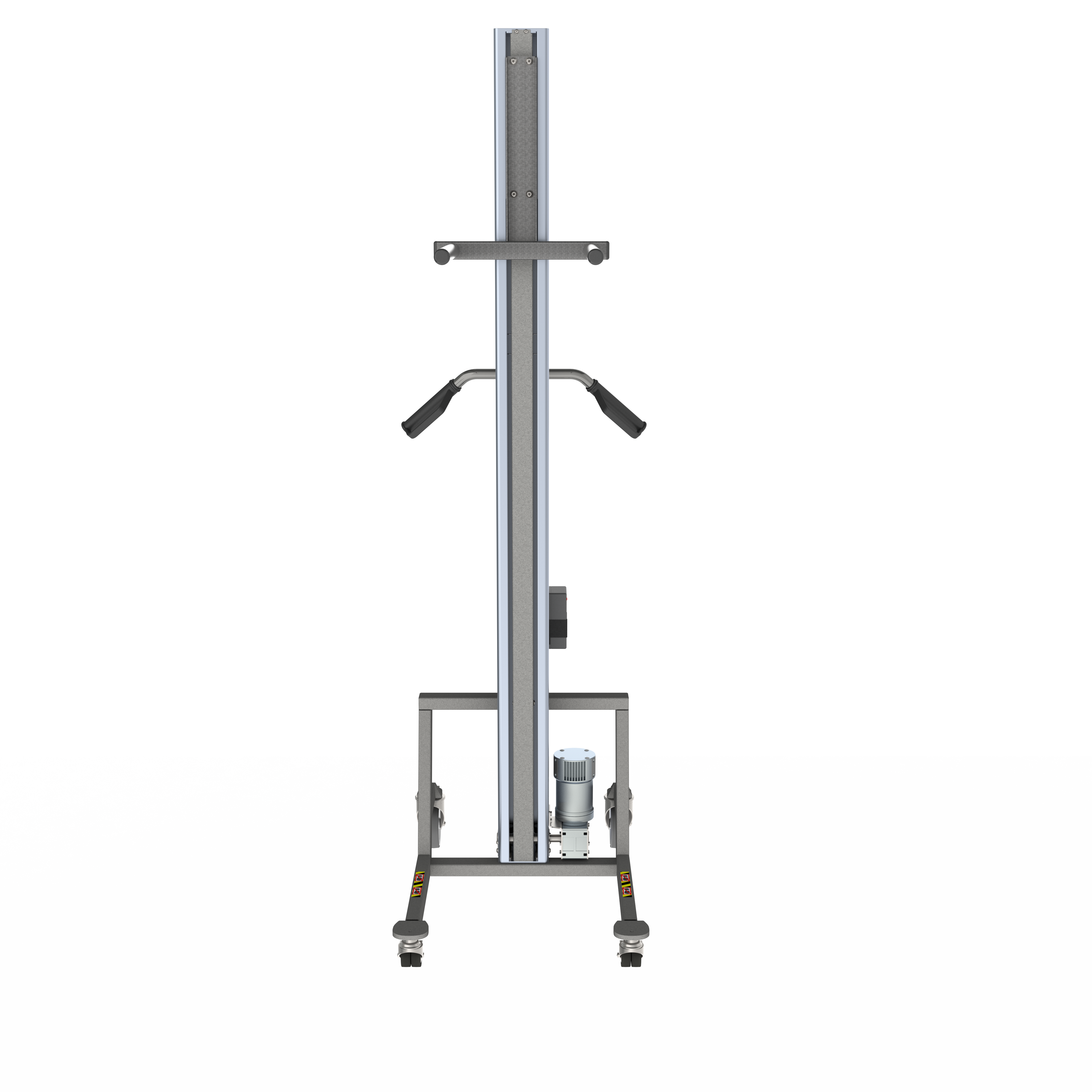
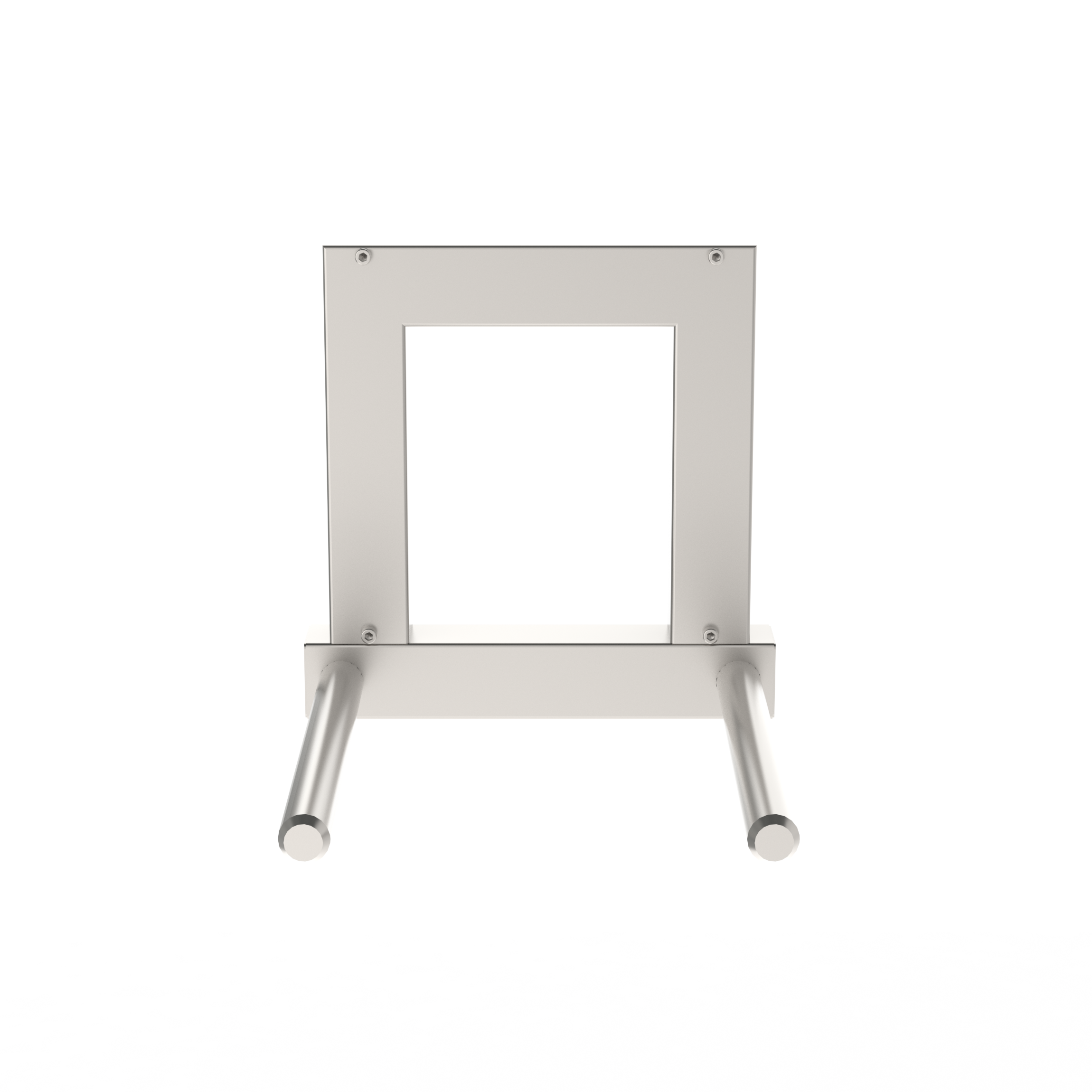
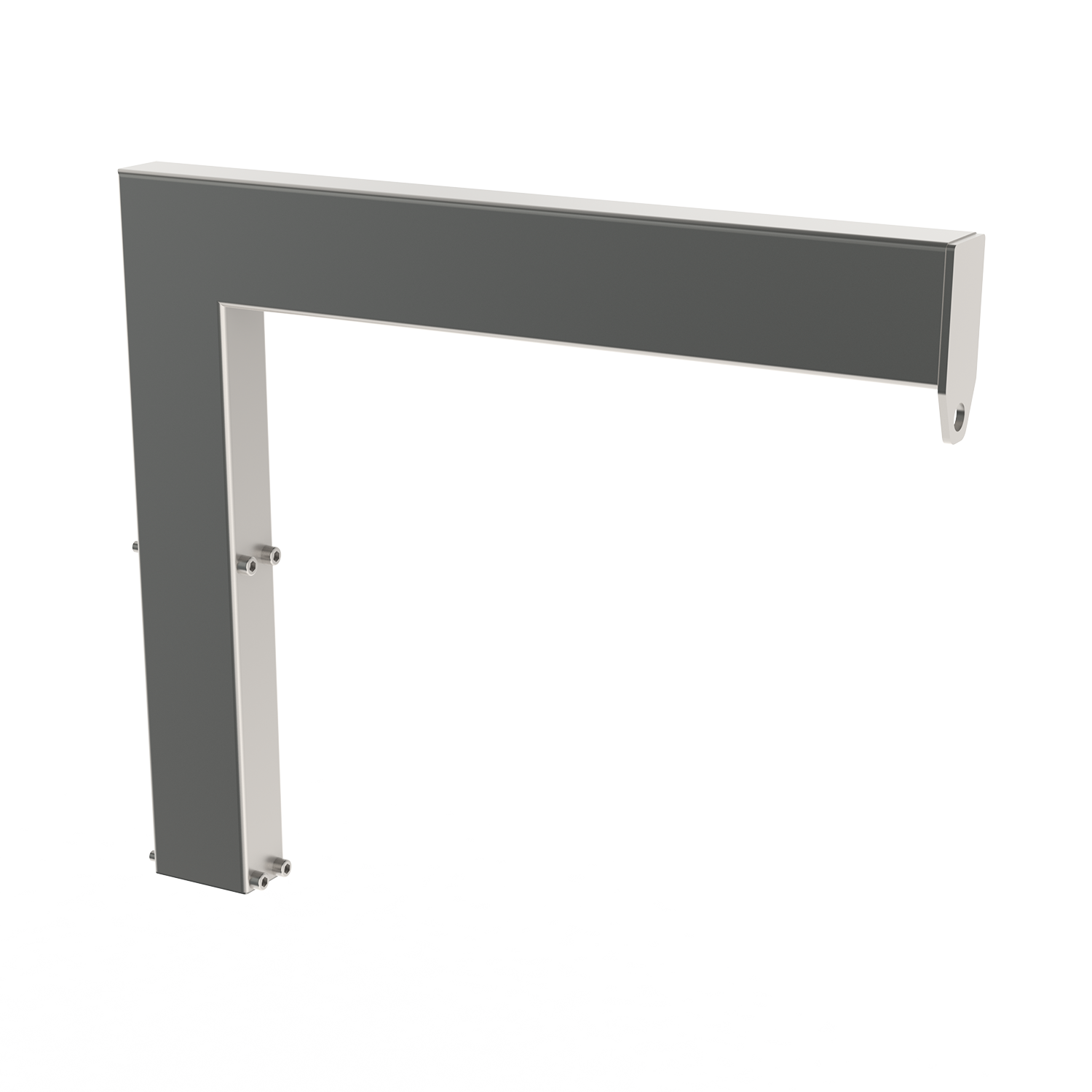
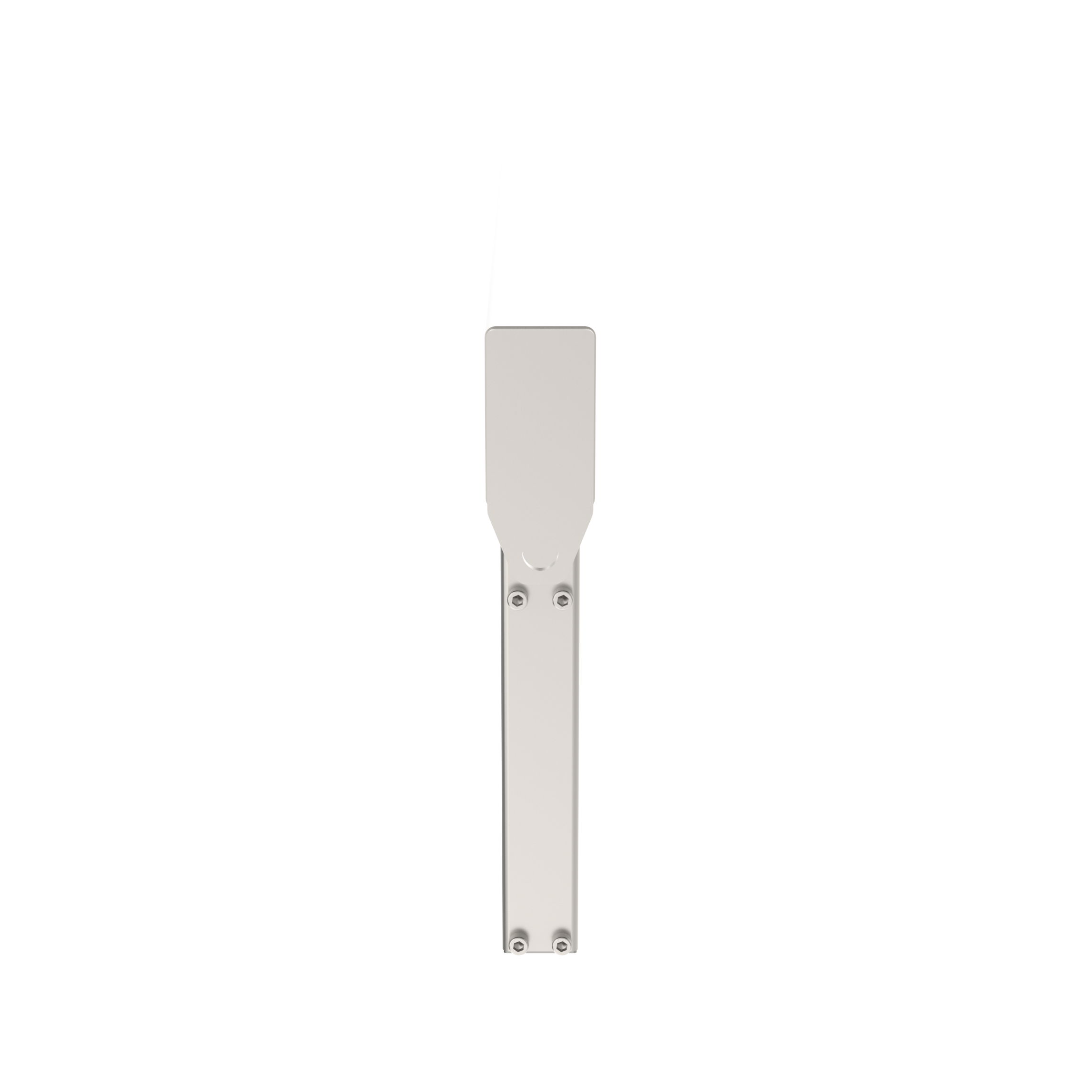
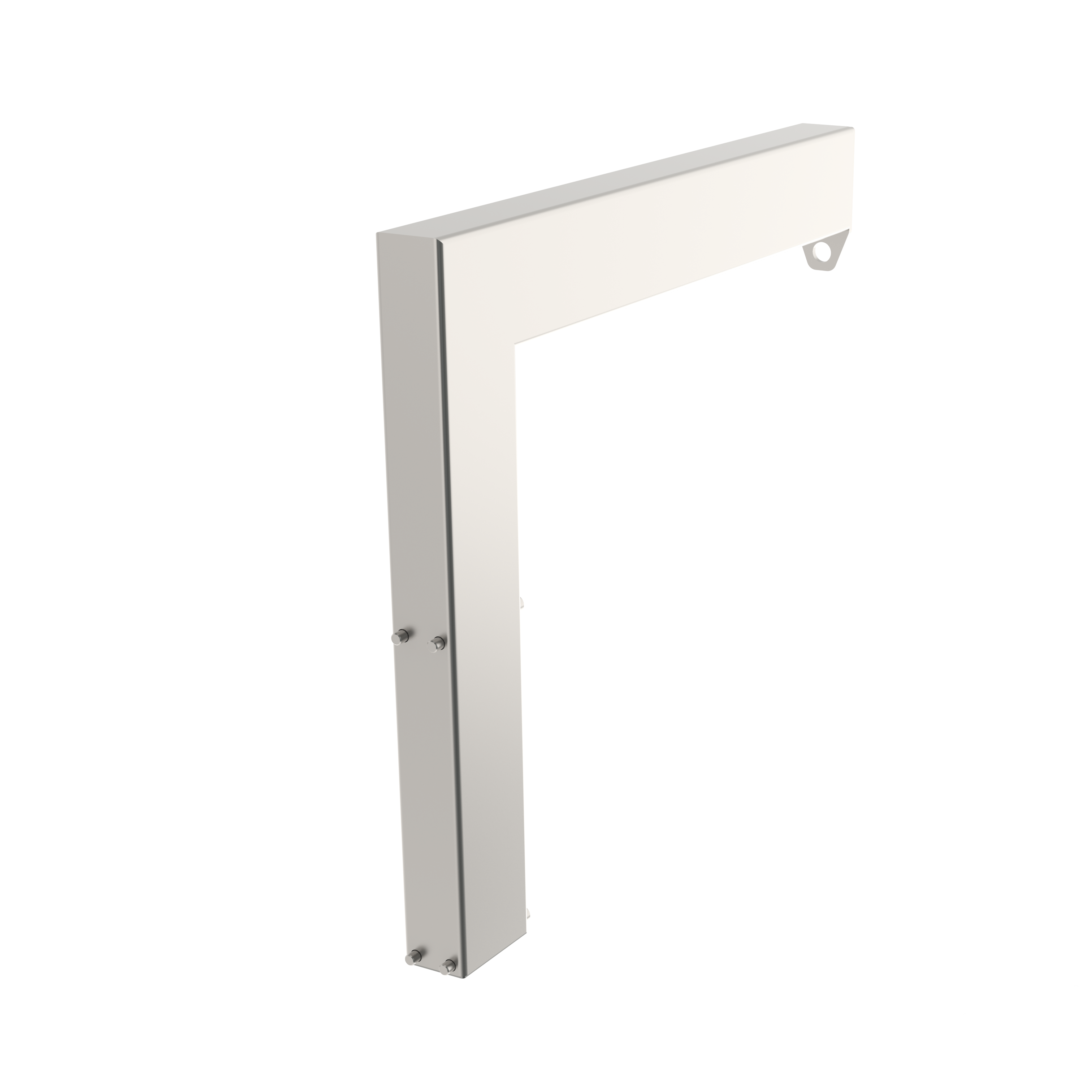
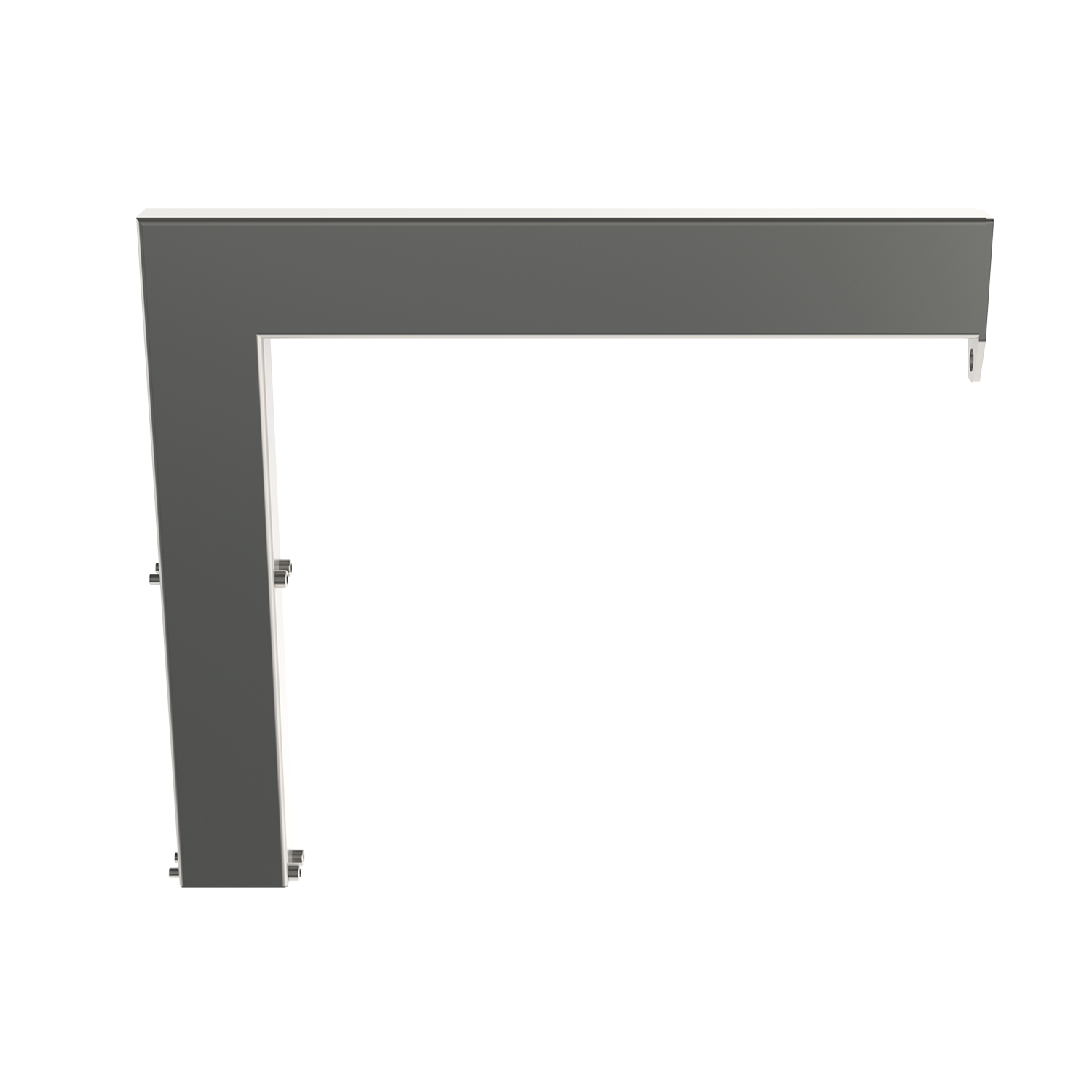
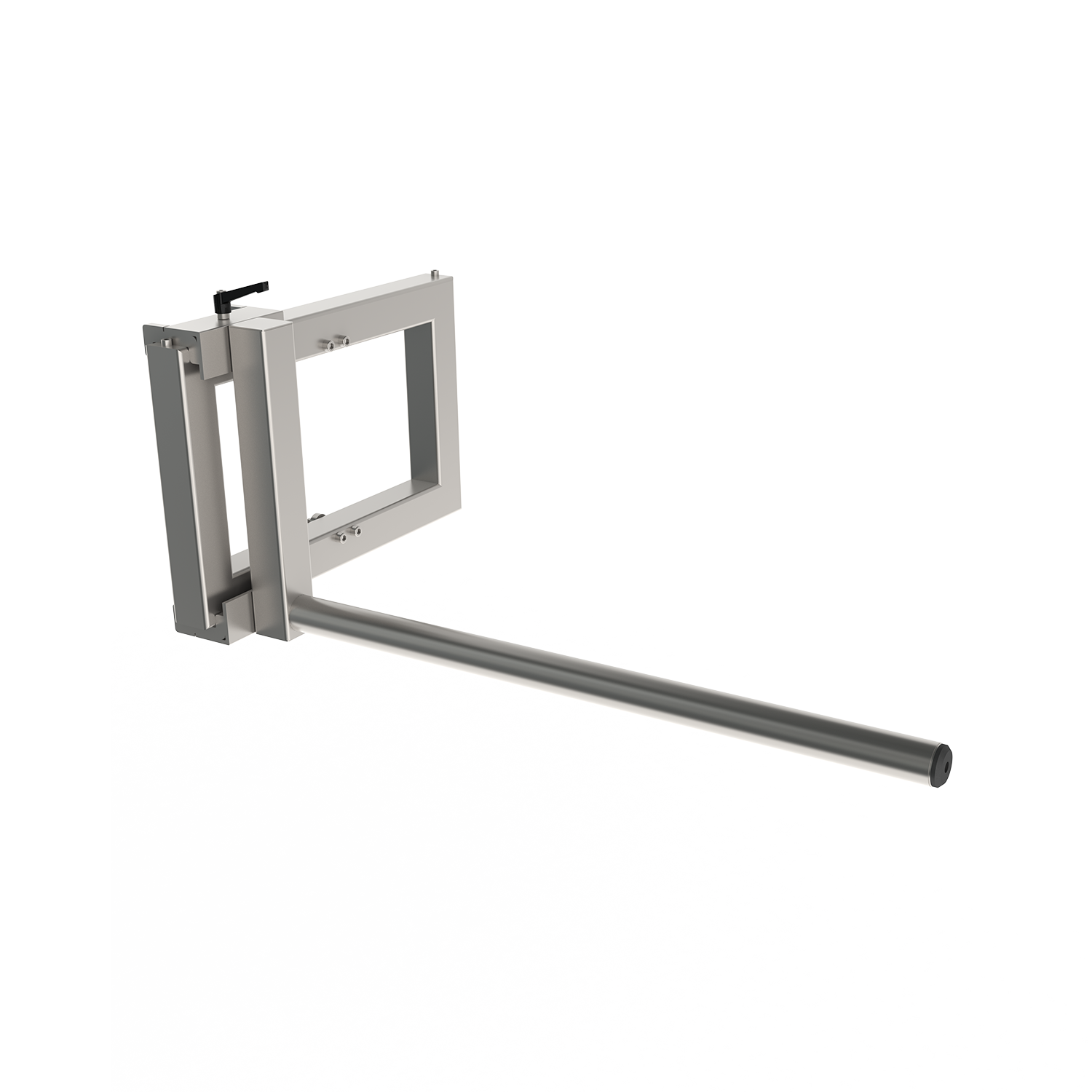
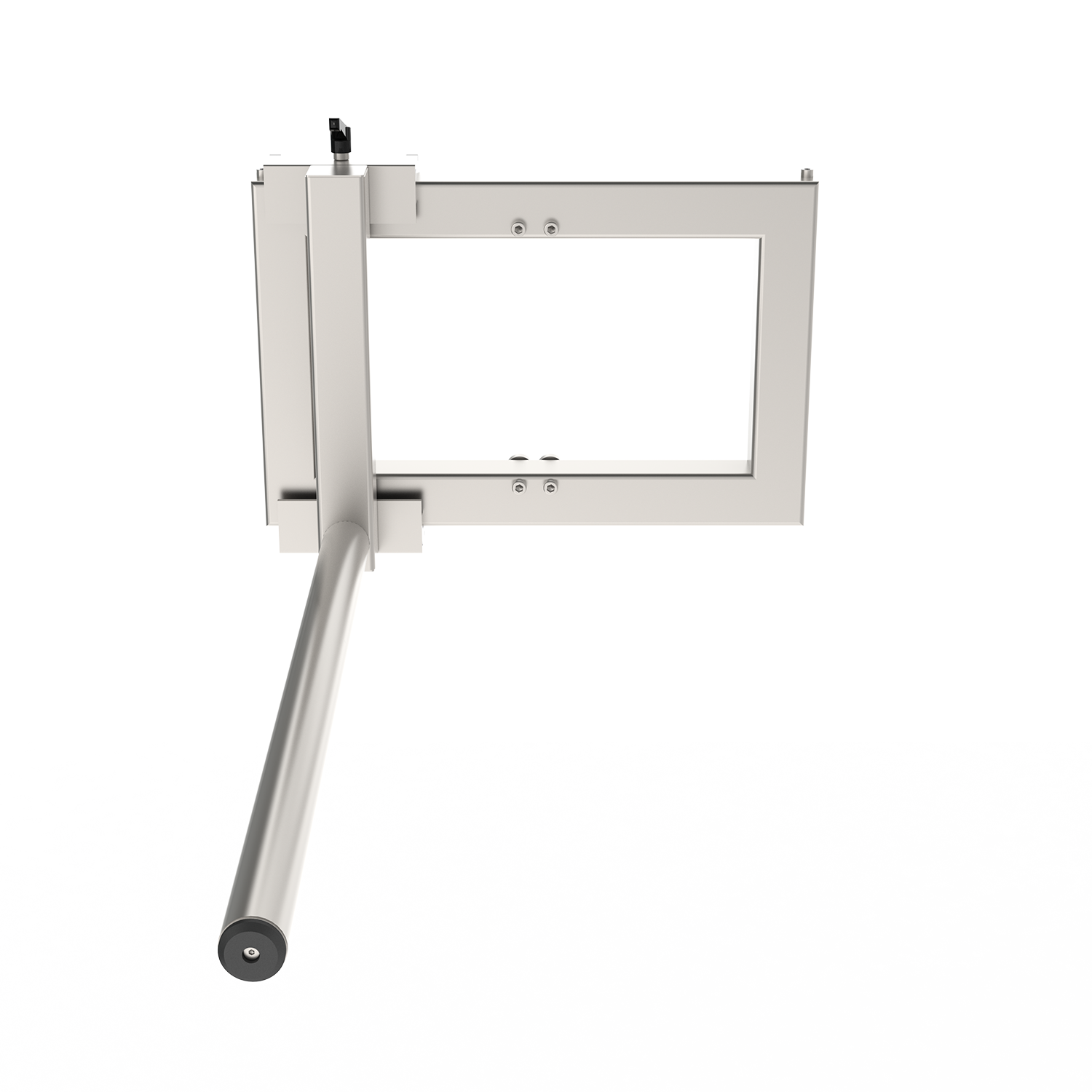
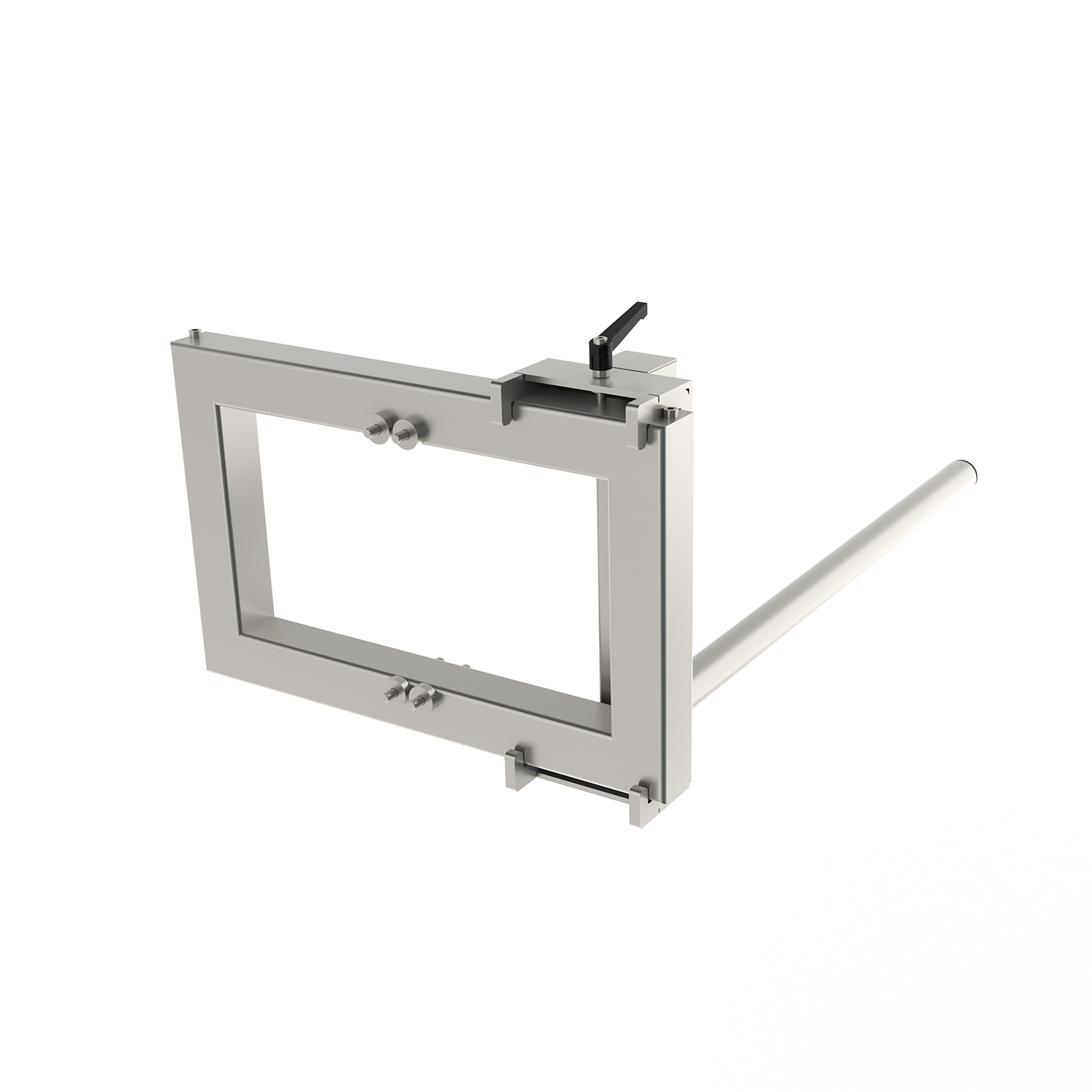
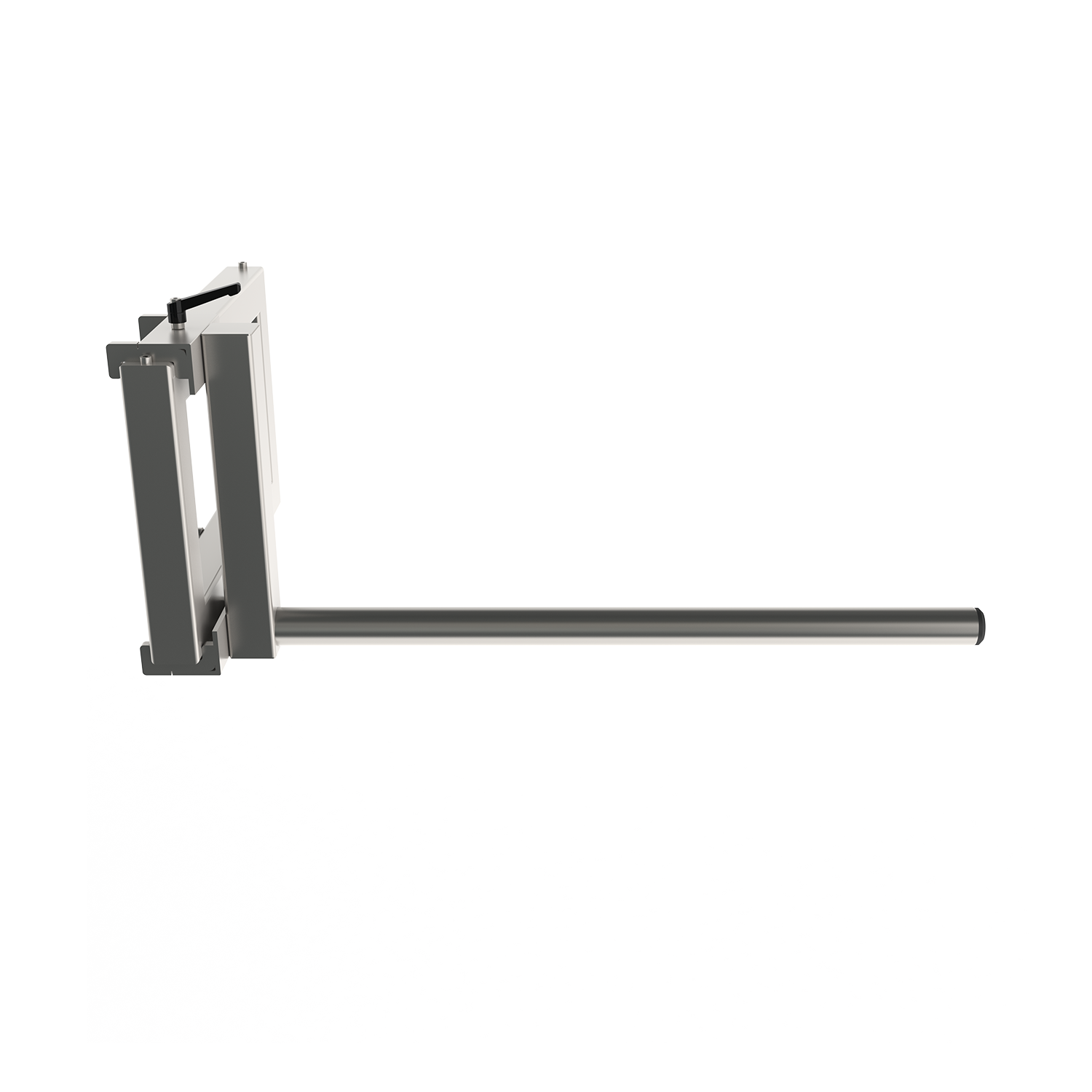
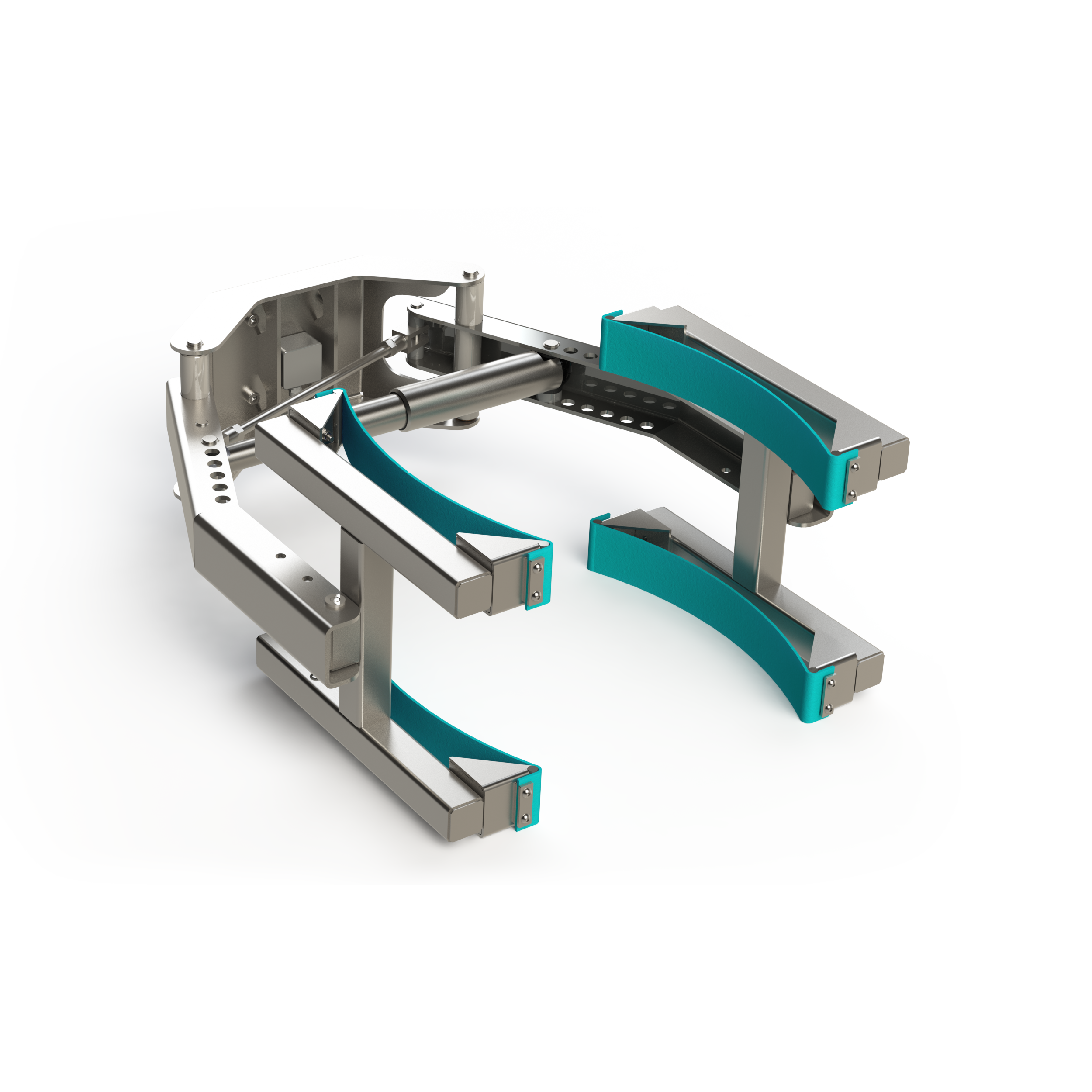
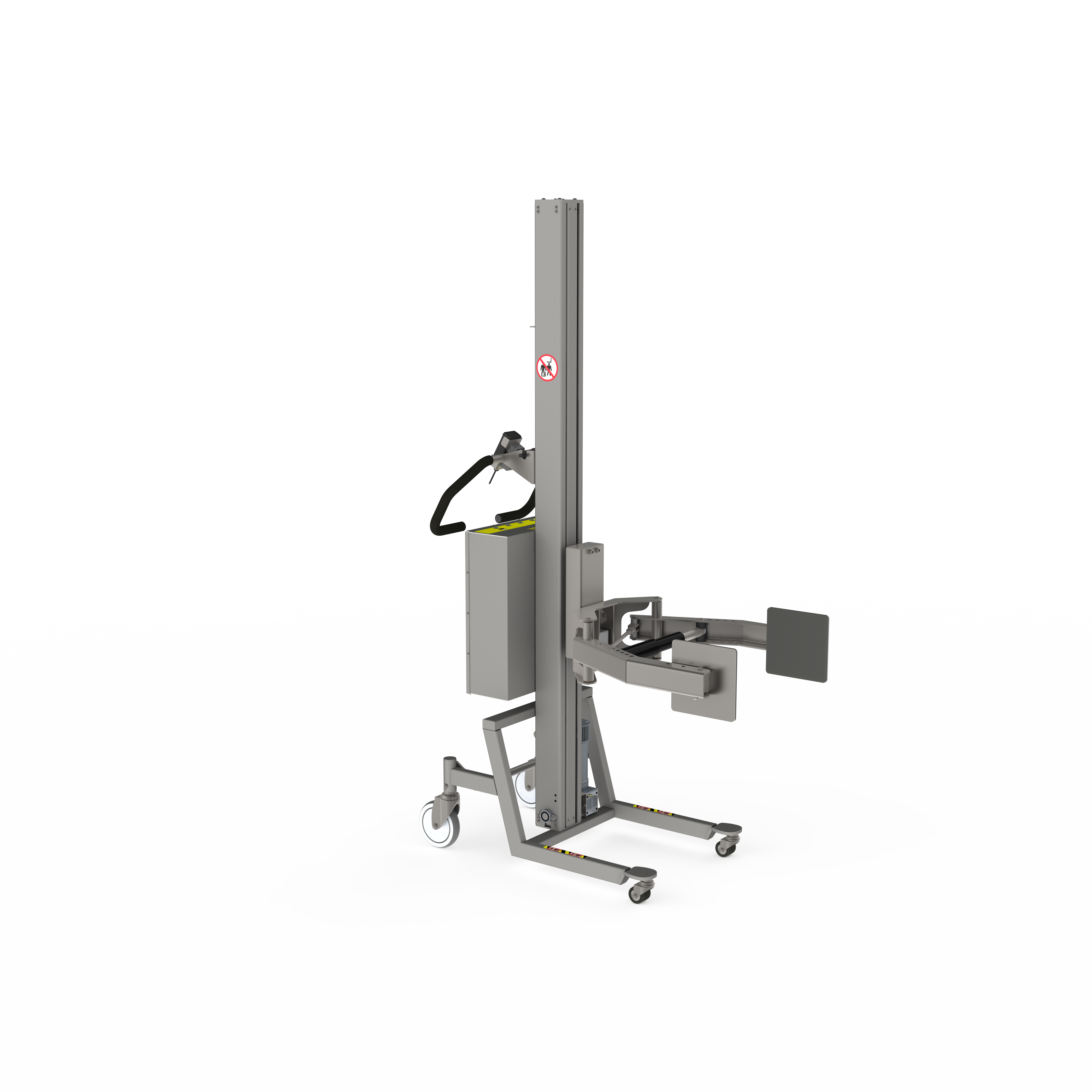
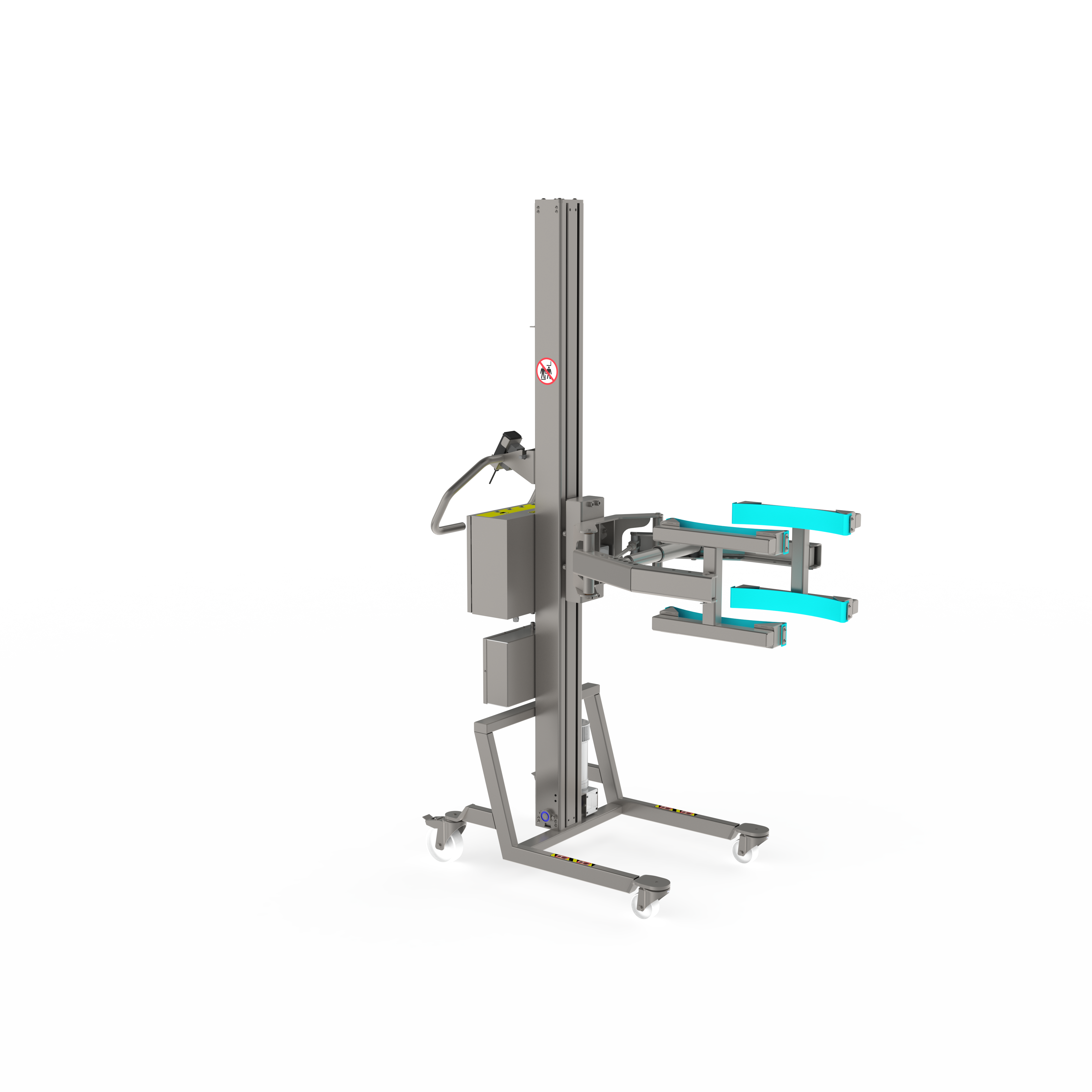
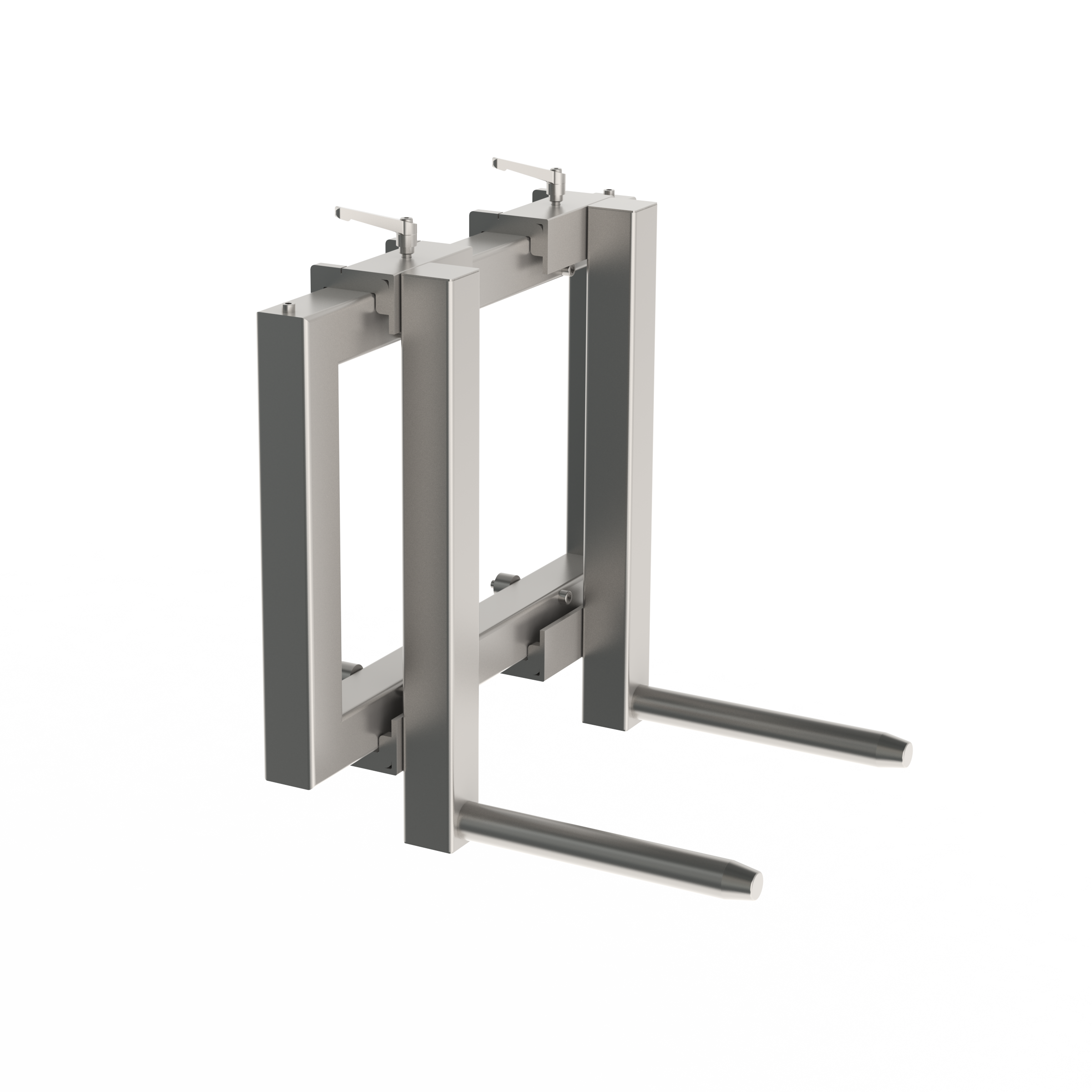
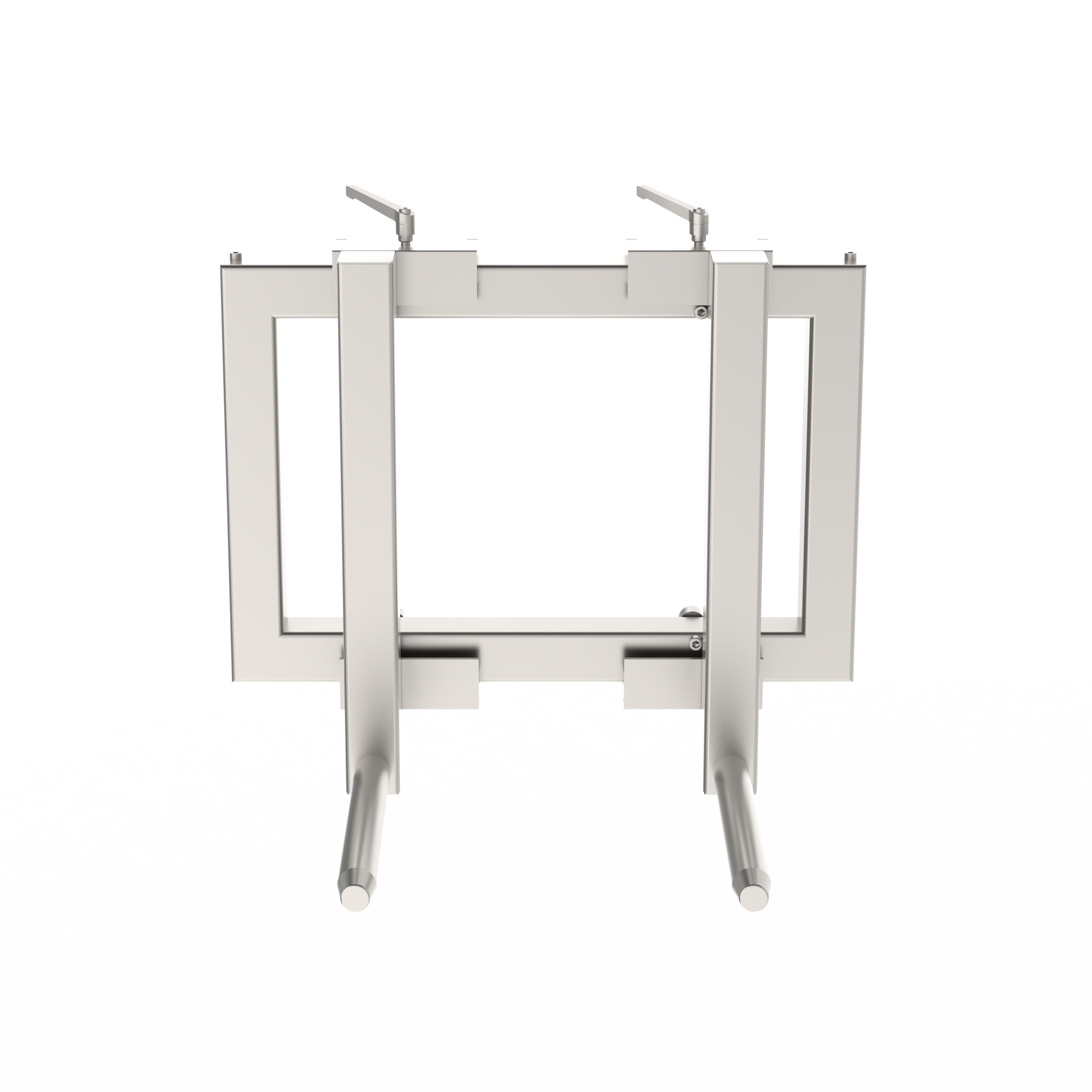
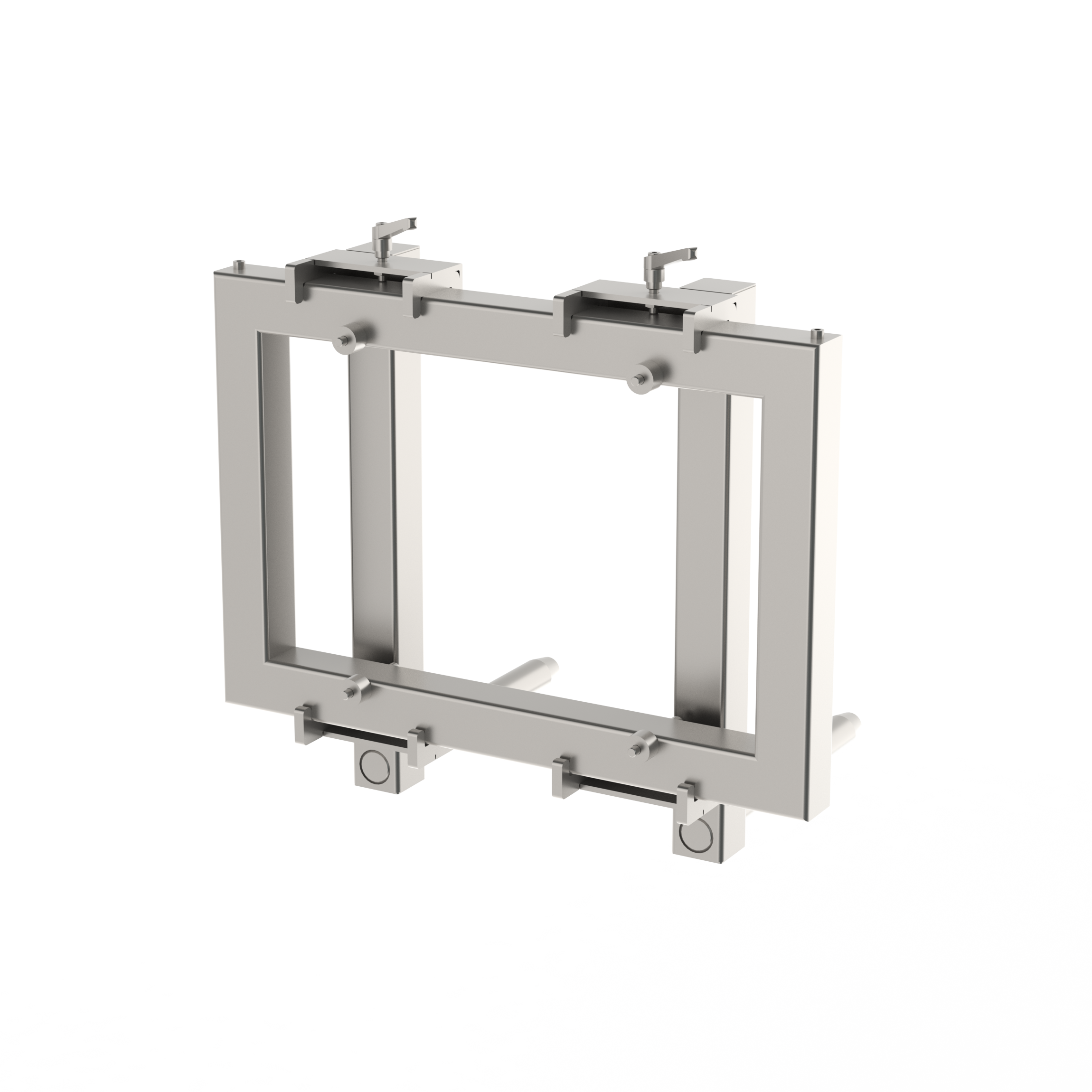
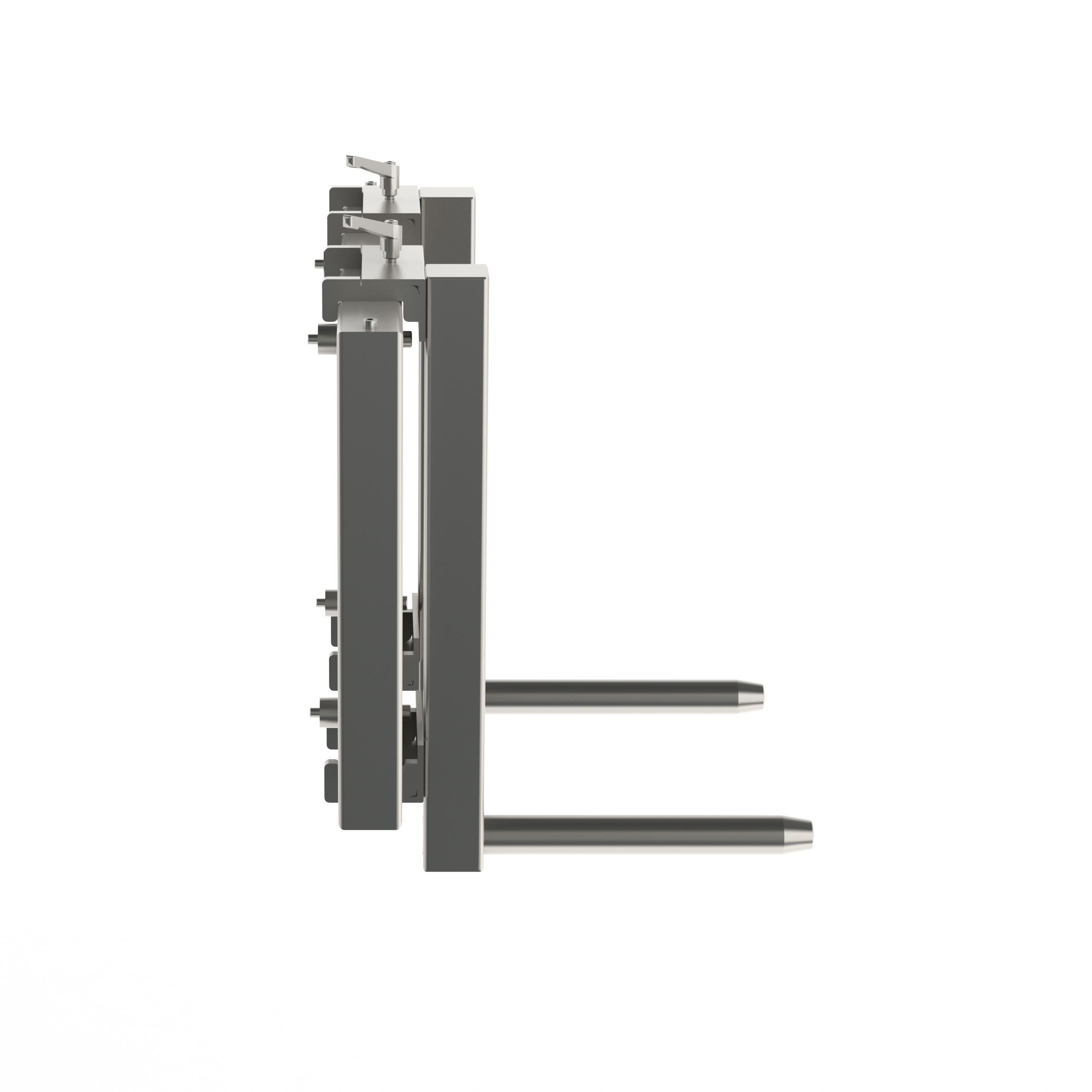
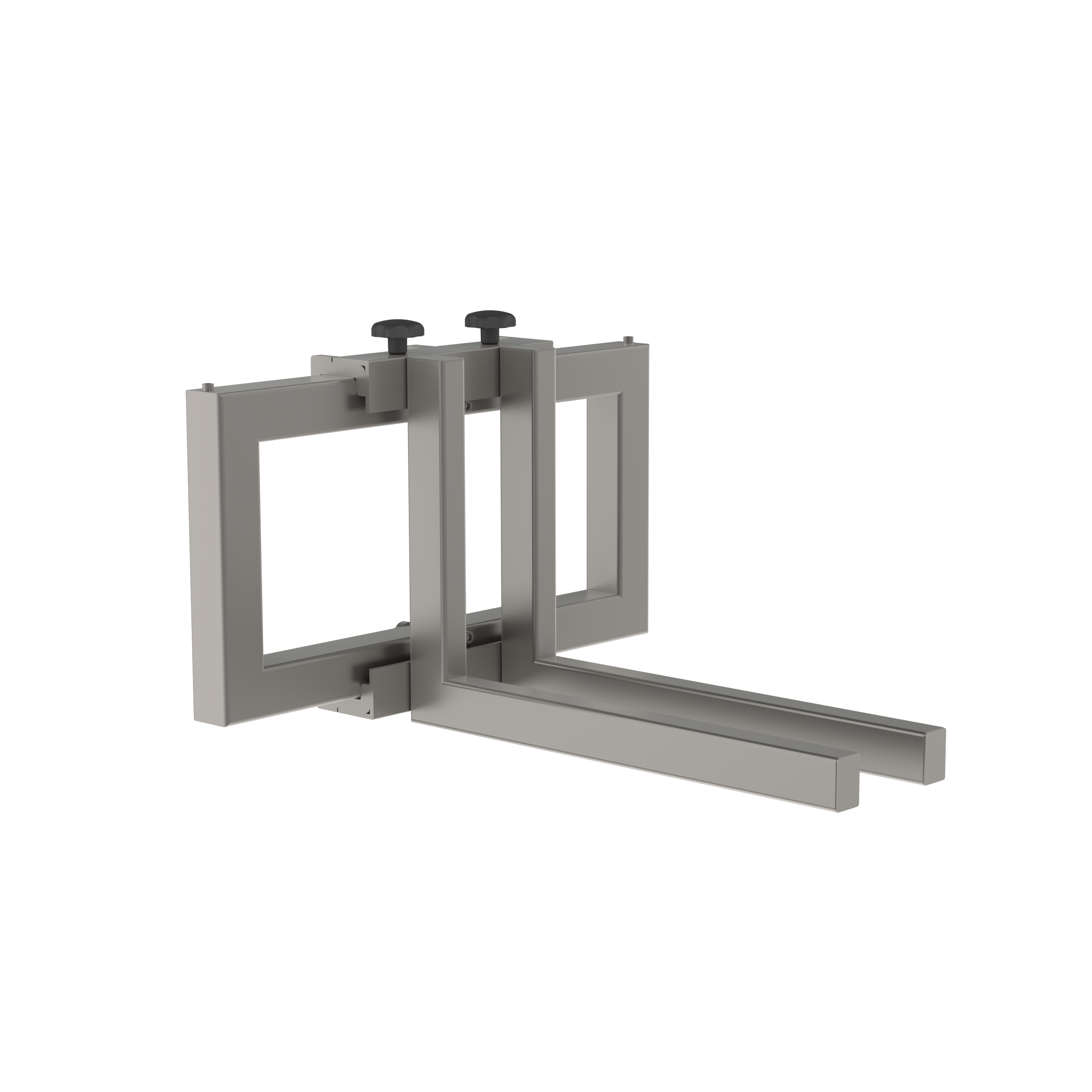
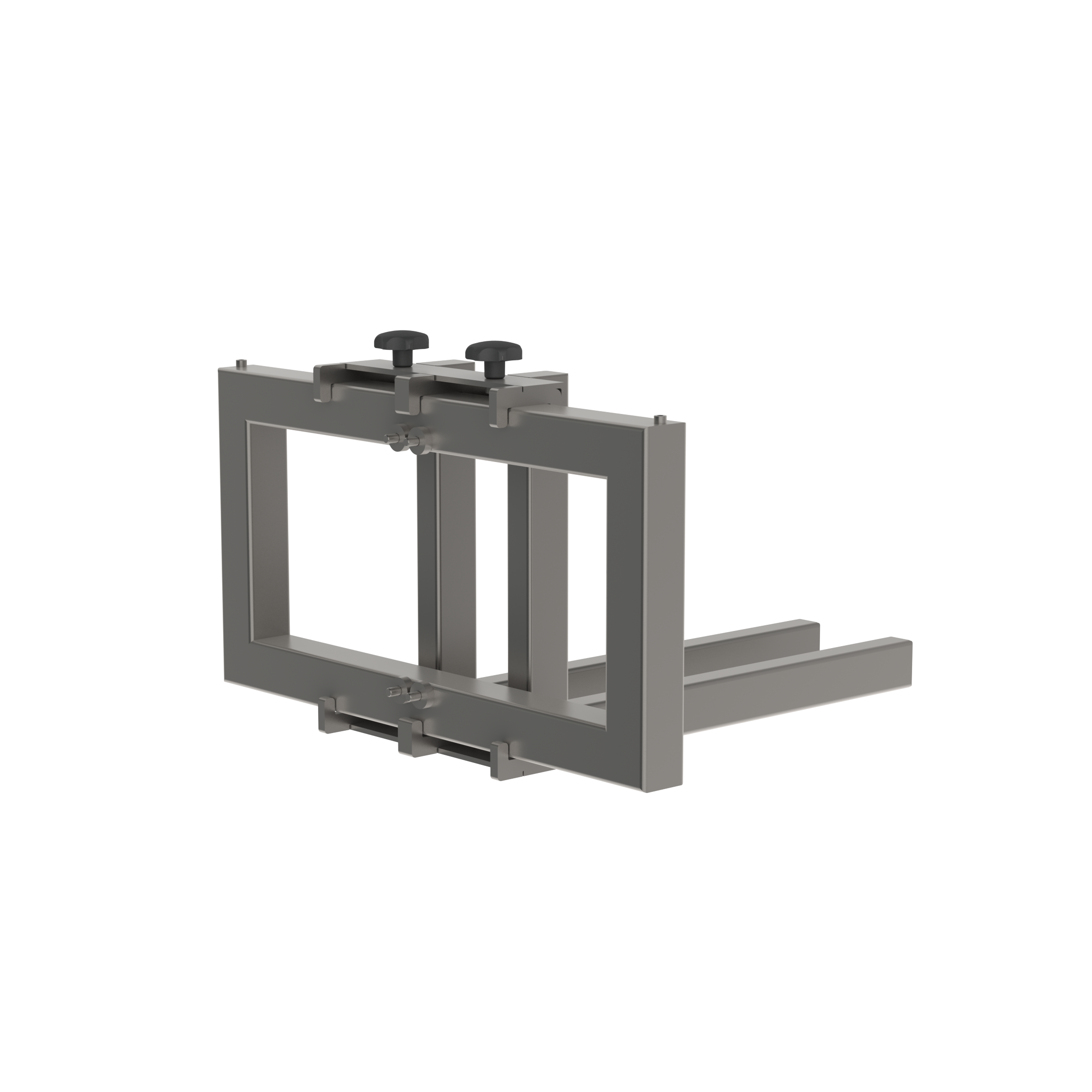
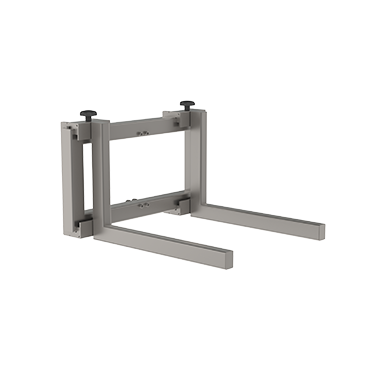
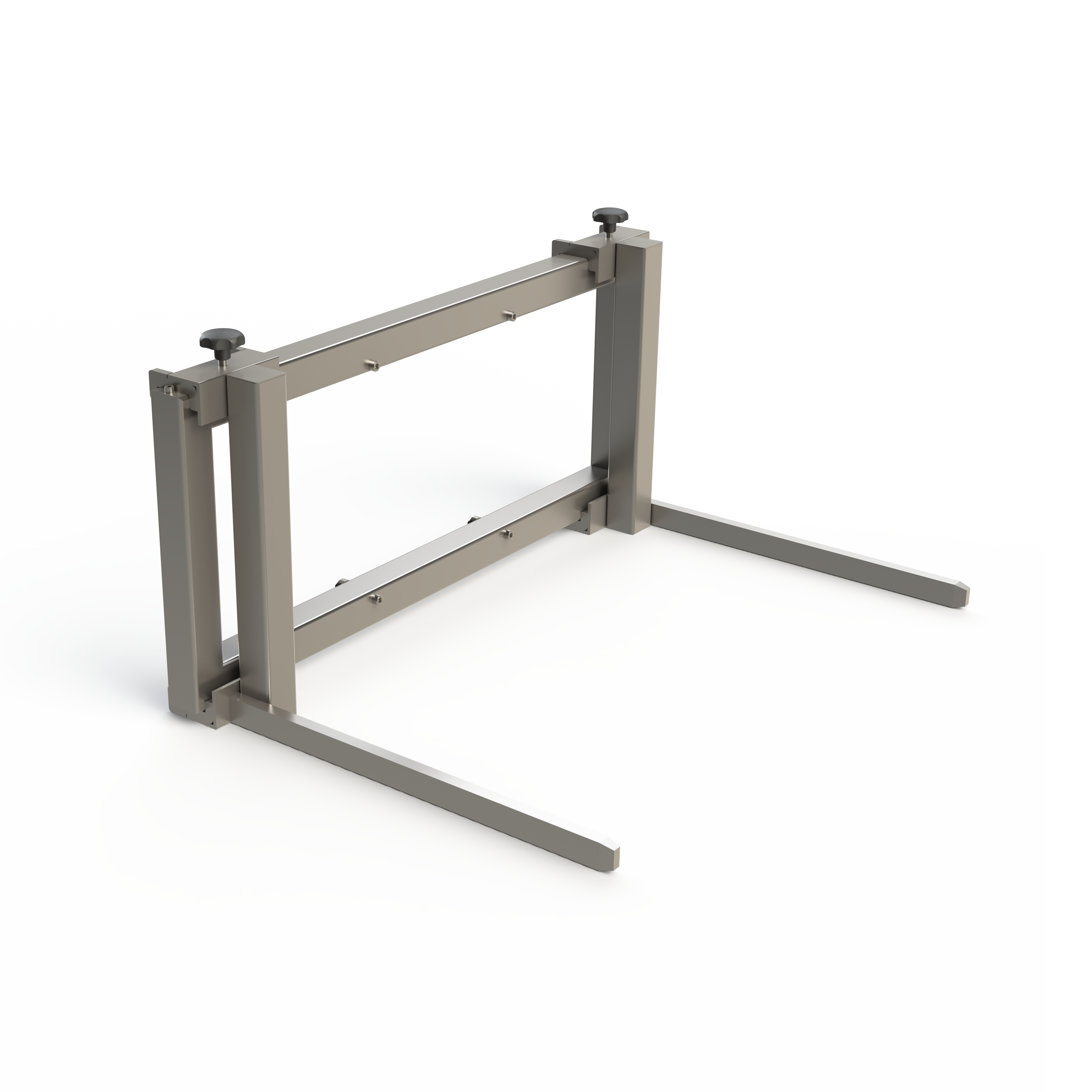
Sometimes the Optimal Solution Is Mixture of Different Types of Tools
Due to the different features of the three categories of lifting tools, the best solution is sometimes a combination of different tools. For instance, it is common to combine a non-manipulator with either an electrical or manual manipulator.
The non-manipulator is typically used to hold or grip the load, while the manipulator is employed to perform additional movements, such as rotating or tilting the load.
Key Differences in Our Handling Equipment Tools
| Feature | Electrical Manipulators | Manual Manipulators | Non-Manipulators |
|---|---|---|---|
| Power Source | Electric | Human Effort | None or Electric |
| Power Assistance | Fully assisted | None | None or fully assisted |
| Weight Handling Capacity | High | Medium to low | Varies |
| Manipulation Speed | High with heavy loads | Medium with heavy loads. Fast with lighter loads. | None, does not manipulate |
| Precision and Control | High (when a certain positioning angle is needed) otherwise medium | High | Medium |
FAQs
Electrical Manipulators
Electrical manipulators are lifting tools that in themselves can be turned, swung or otherwise moved electrically to help position the load
Manual Manipulators
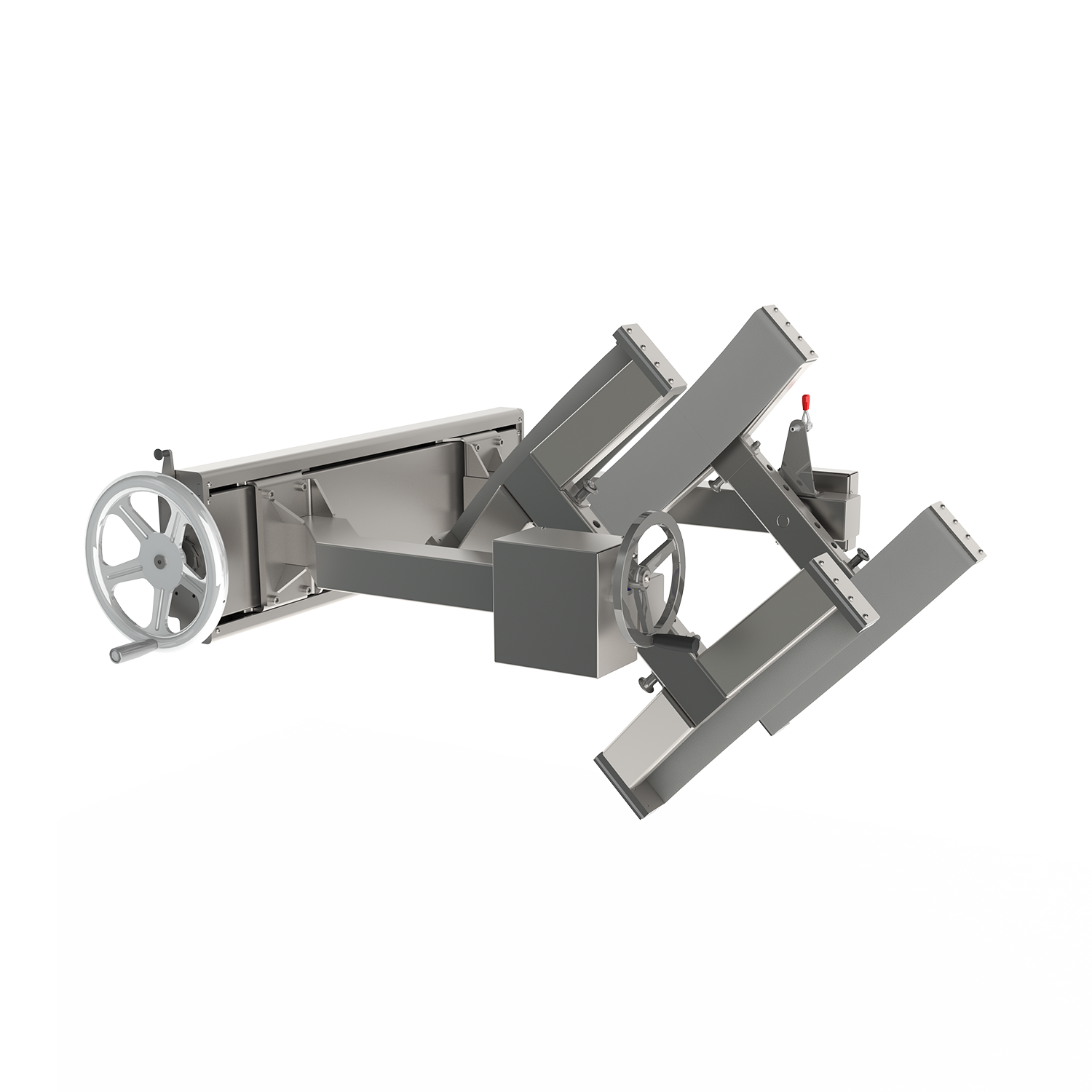
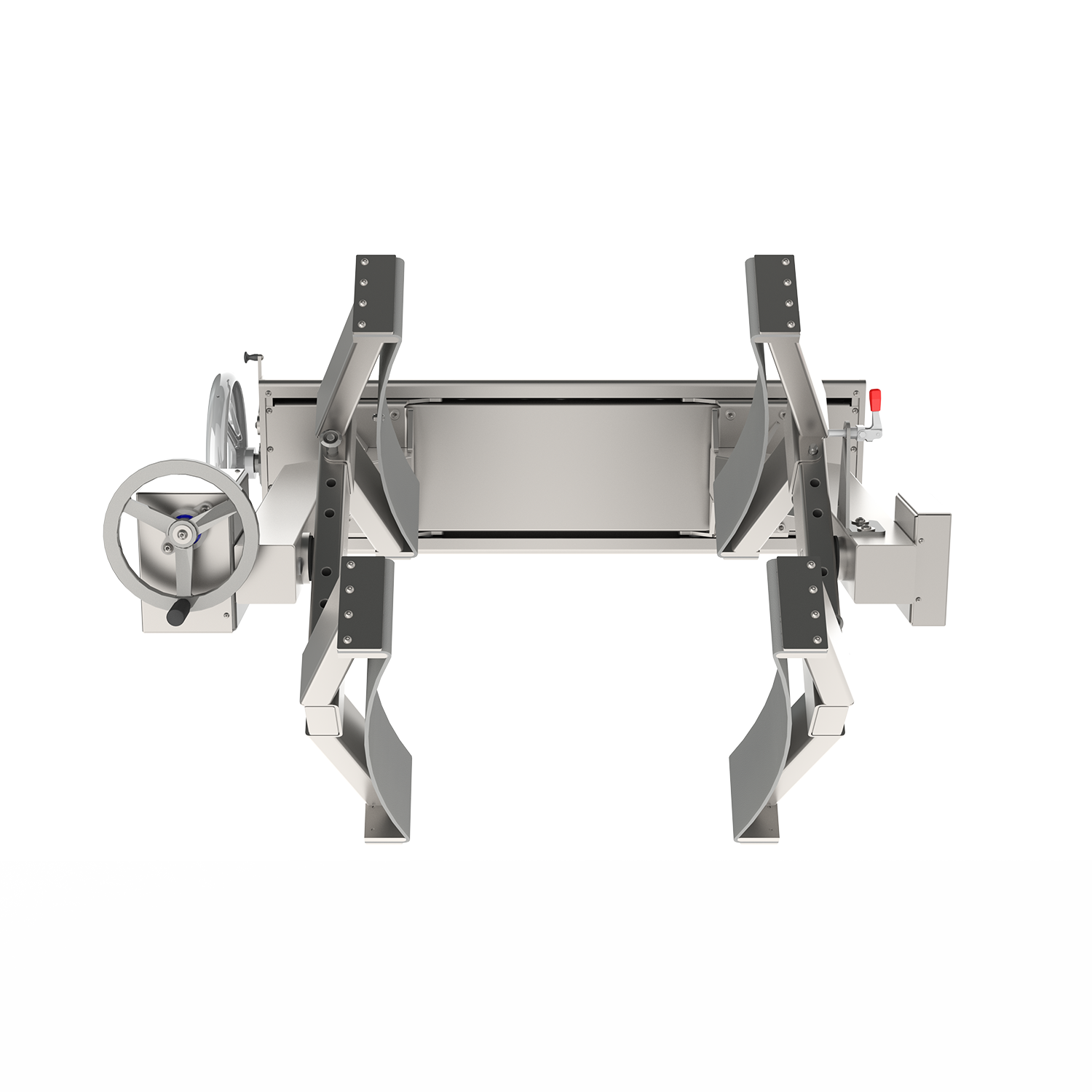
Manual manipulators are lifting tools that in themselves can be turned, swung or otherwise moved by hand to help position the load.
Non-Manipulators
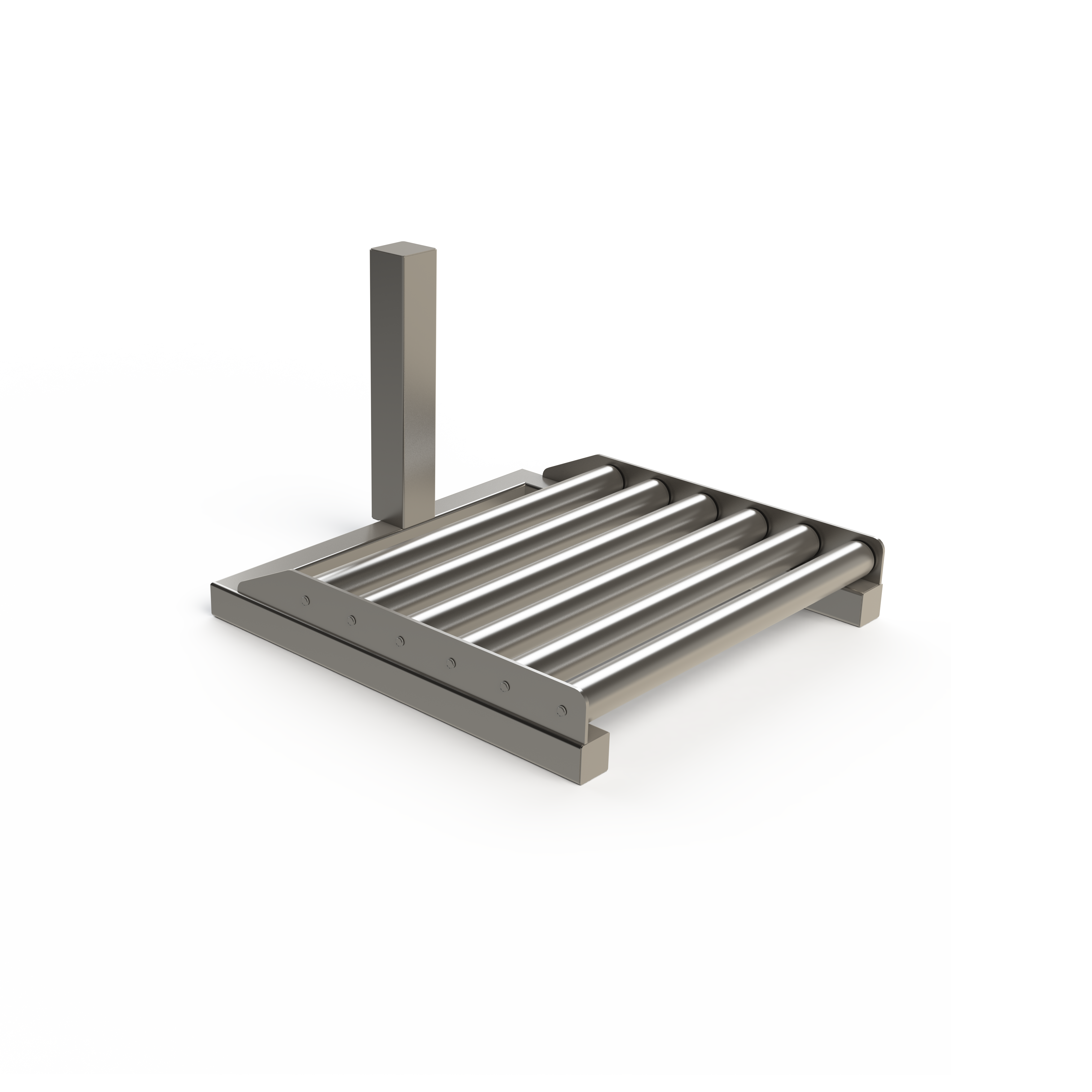
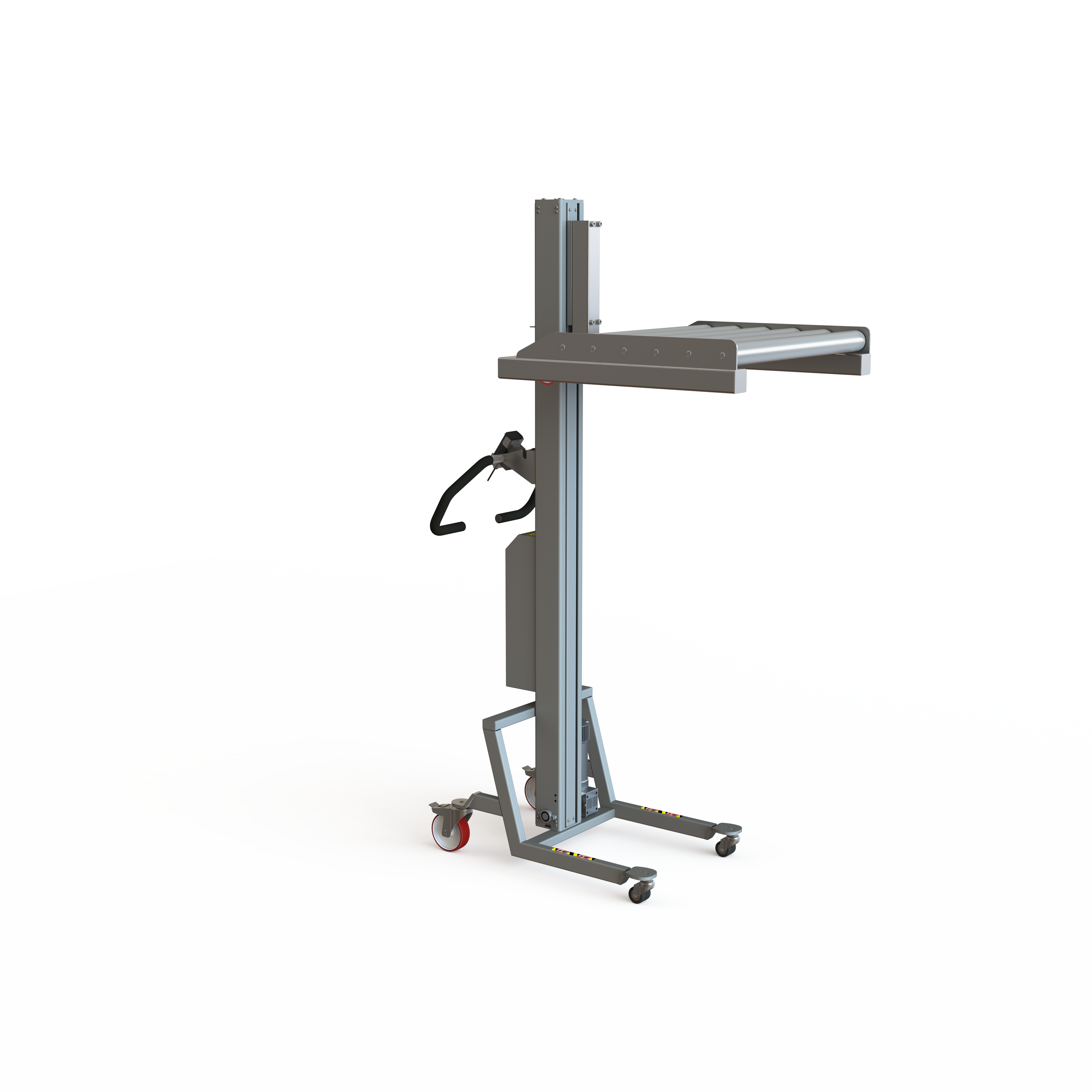
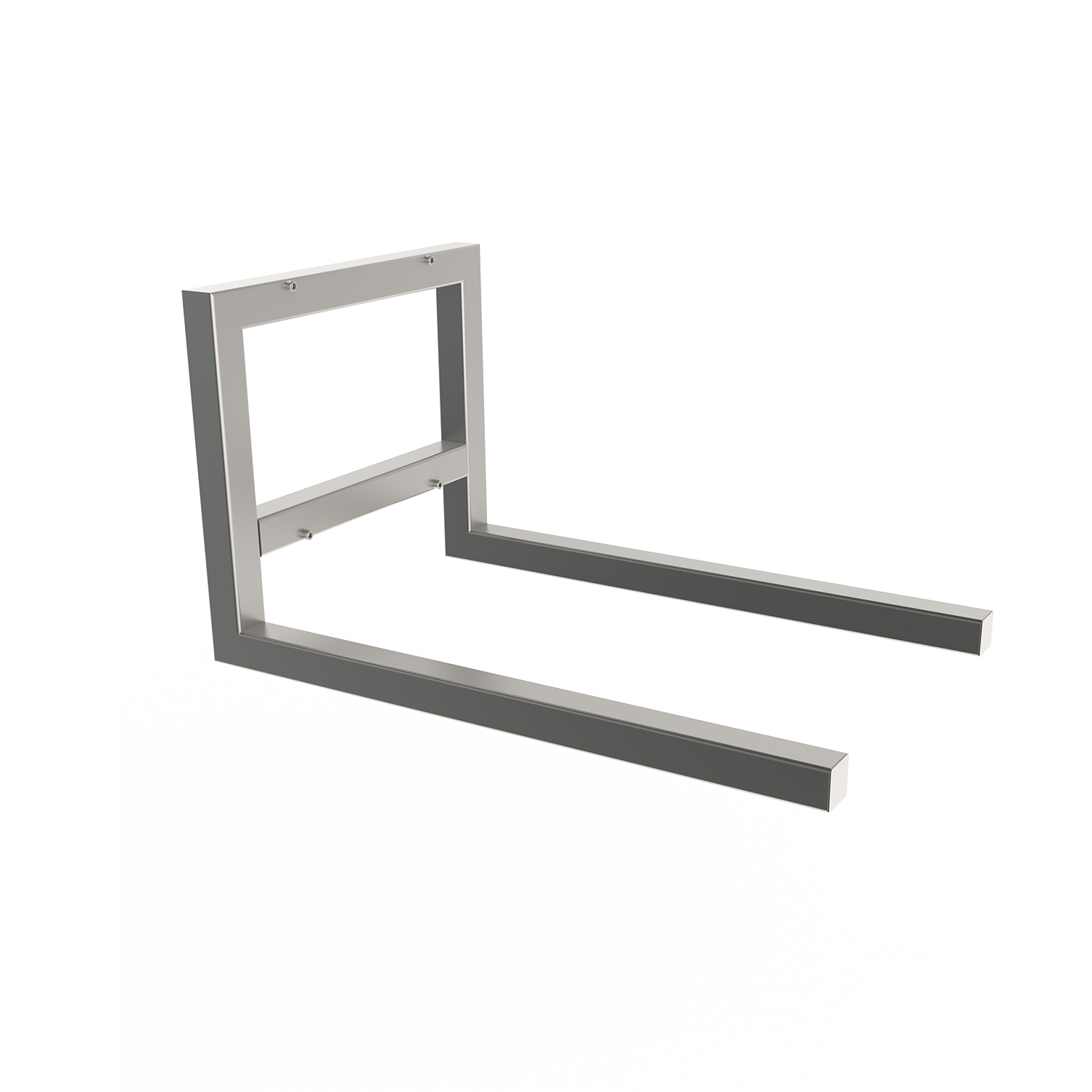
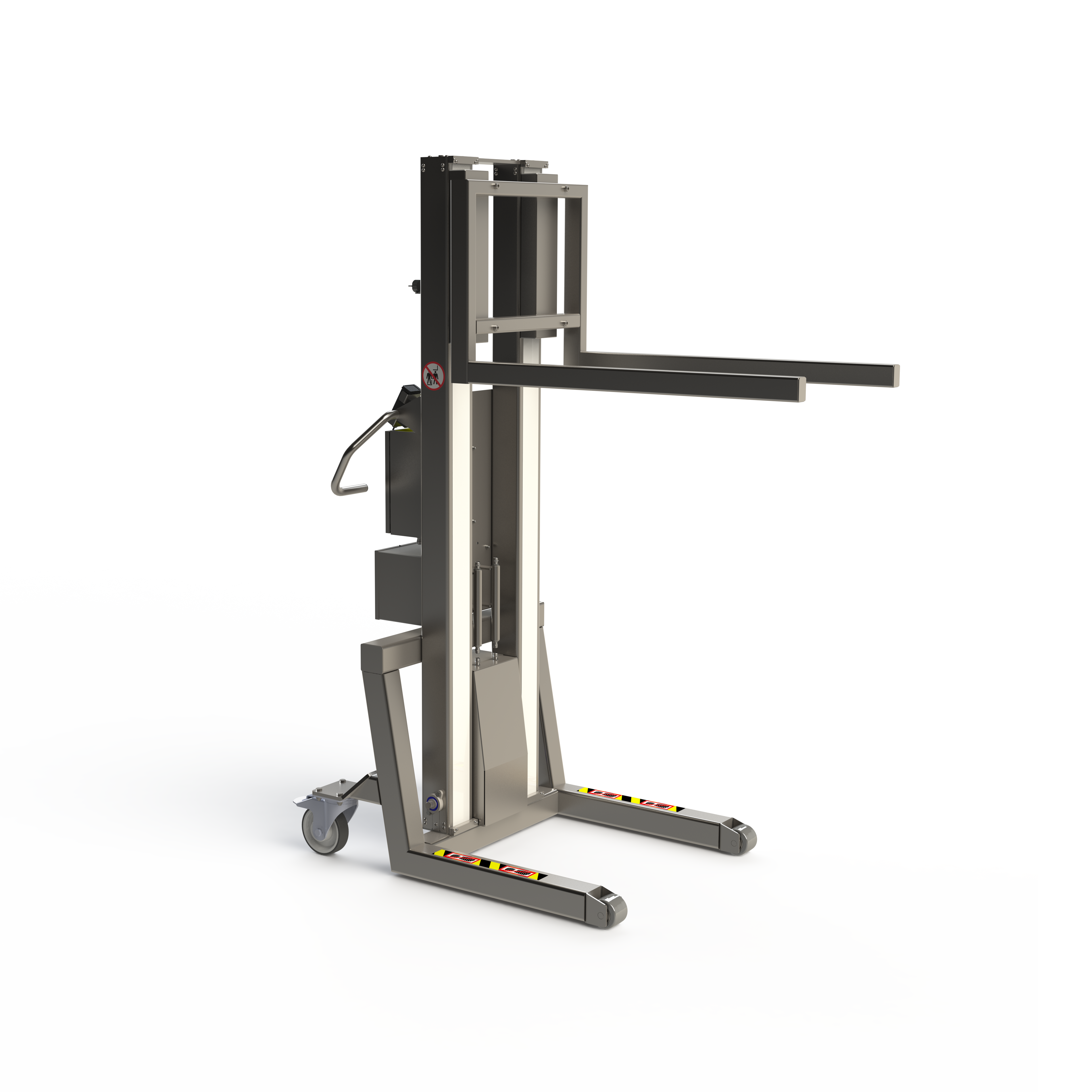
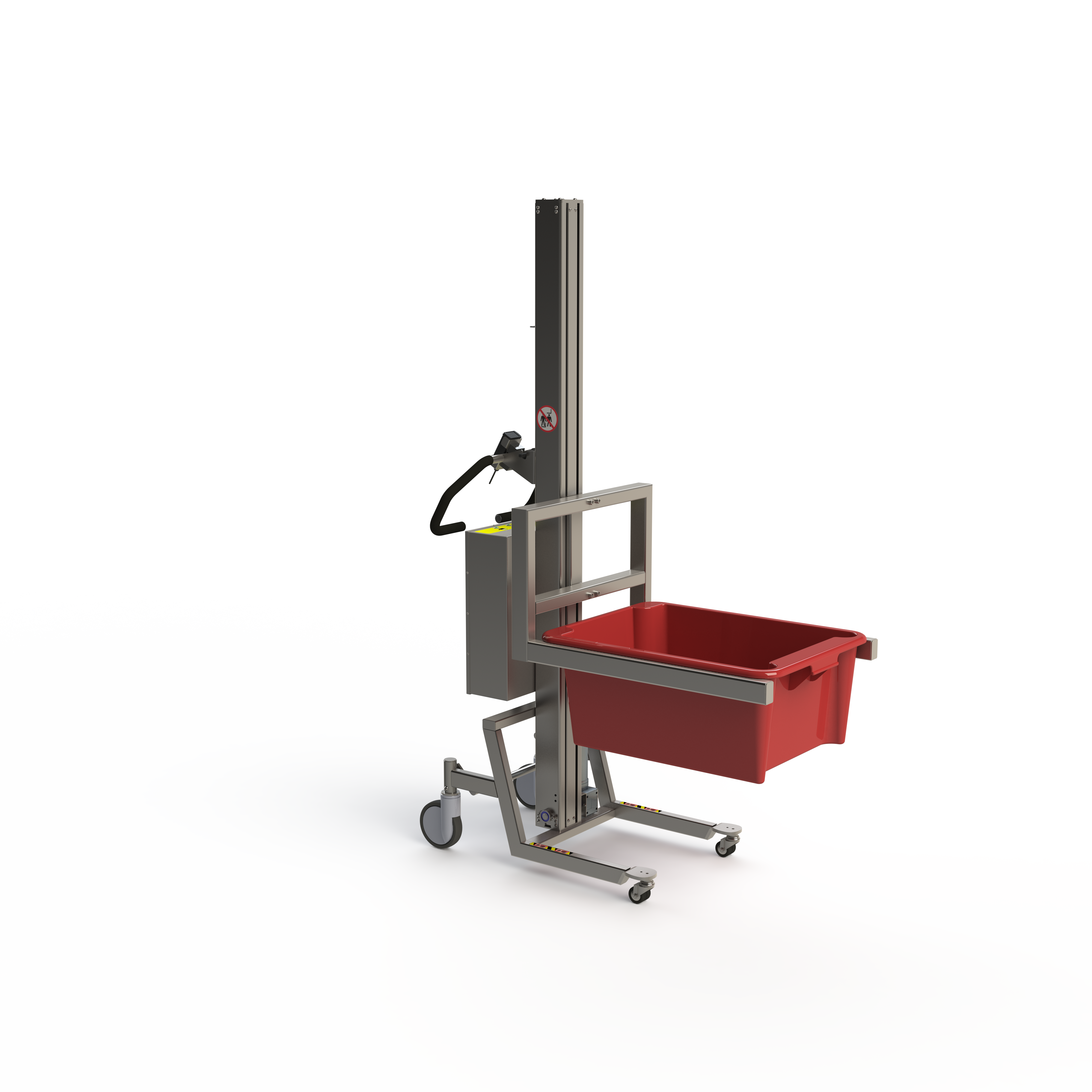
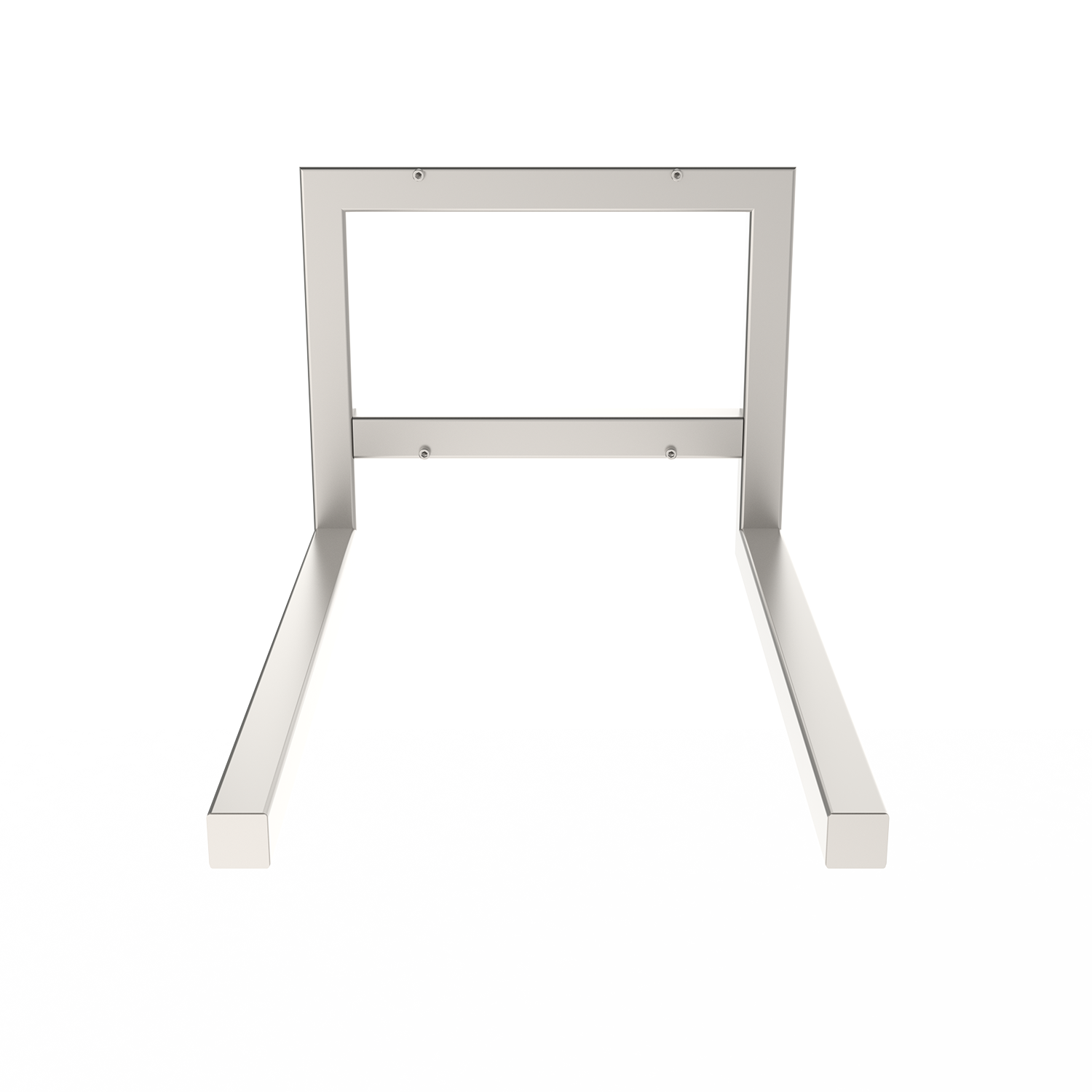
Non-manipulators are simple lifting tools that support a load. Typically designed to accommodate a specific type of load, these tools are found in countless different versions.